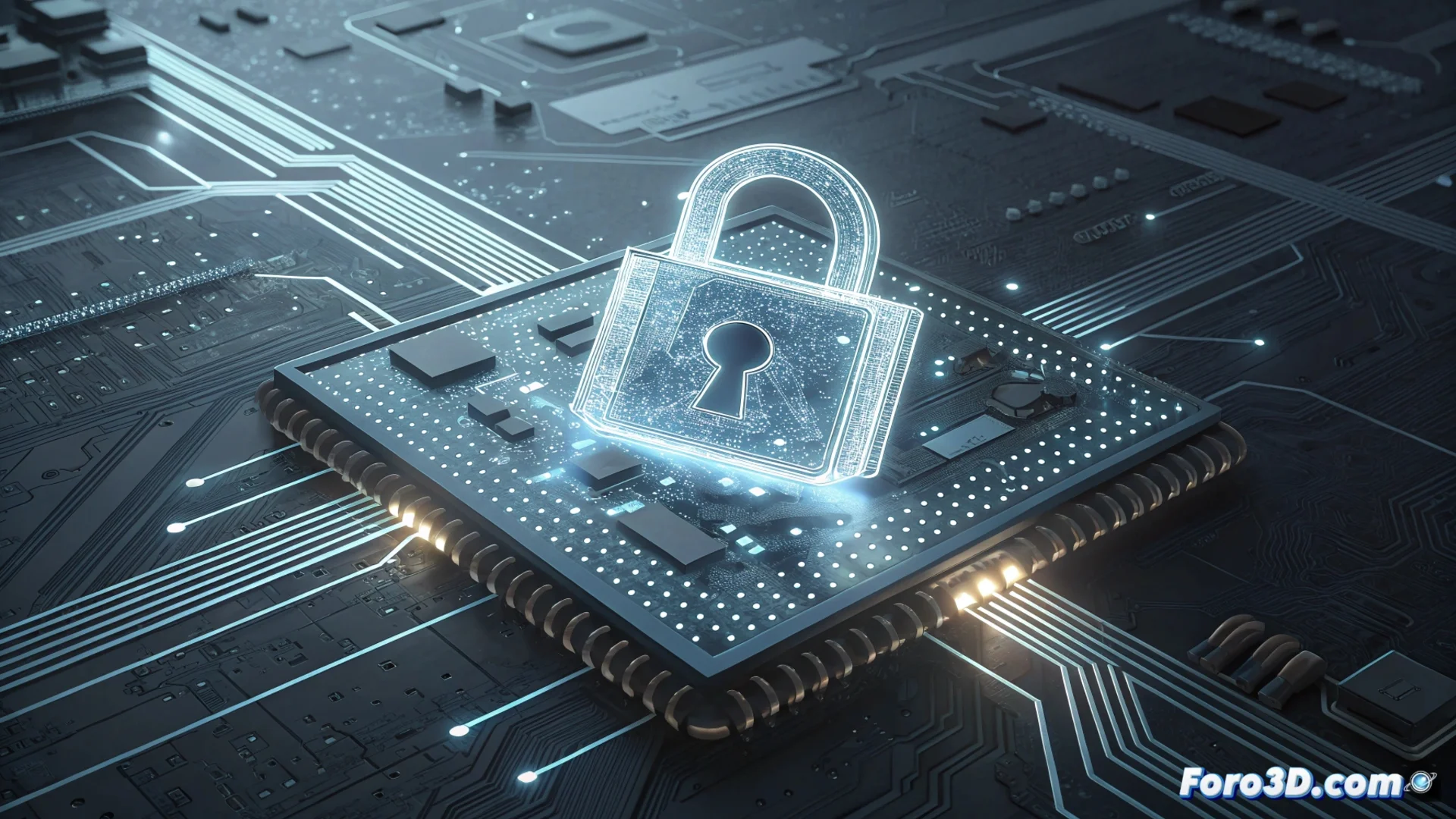
BitLocker Uses Hardware to Accelerate Encryption in Windows
Data protection in Windows systems relies on BitLocker, an integrated encryption feature that safeguards information on disks. To operate, it needs to securely manage keys and automatically unlock drives, tasks for which it uses a Trusted Platform Module (TPM). With the increasing speed of storage drives, software encryption can noticeably slow down the system. 🔒
Microsoft's Solution: Hardware Acceleration
To reduce the load on the central processing unit (CPU) and mitigate the impact on performance, Microsoft implements hardware acceleration in BitLocker. This technology delegates the most intensive cryptographic operations to specific system components designed for that purpose. Thus, the system maintains a high level of security while operating more smoothly during data encryption and decryption.
Key advantages of using hardware:- Offloads the CPU: AES encryption tasks no longer consume as many cycles from the main processor.
- Higher speed: The process of reading and writing encrypted data is significantly faster.
- Energy efficiency: Being faster, it consumes fewer overall system resources.
The most robust security sometimes means the computer takes a little longer to authenticate, offering a moment to reflect on the system's integrity.
The Fundamental Role of the TPM
The TPM is a dedicated physical component that stores and processes encryption keys in isolation from the main operating system. This isolation is crucial, as it prevents malicious software from easily accessing or stealing the keys. BitLocker relies on this chip to securely authenticate the platform before releasing the master key that unlocks the disk.
How the TPM protects:- Isolated storage: Keys never reside in the system's main memory where they could be vulnerable.
- Boot authentication: Verifies the integrity of hardware and boot software. If it detects unauthorized changes, the system remains locked.
- Secure processing: Performs cryptographic operations within its own protected environment.
Balance Between Security and Performance
The implementation of hardware acceleration in BitLocker represents an essential balance. It allows maintaining robust data protection without sacrificing the system's responsiveness. By combining the TPM for key management and specific hardware components to accelerate encryption, Windows ensures that security does not become a performance bottleneck. 🚀