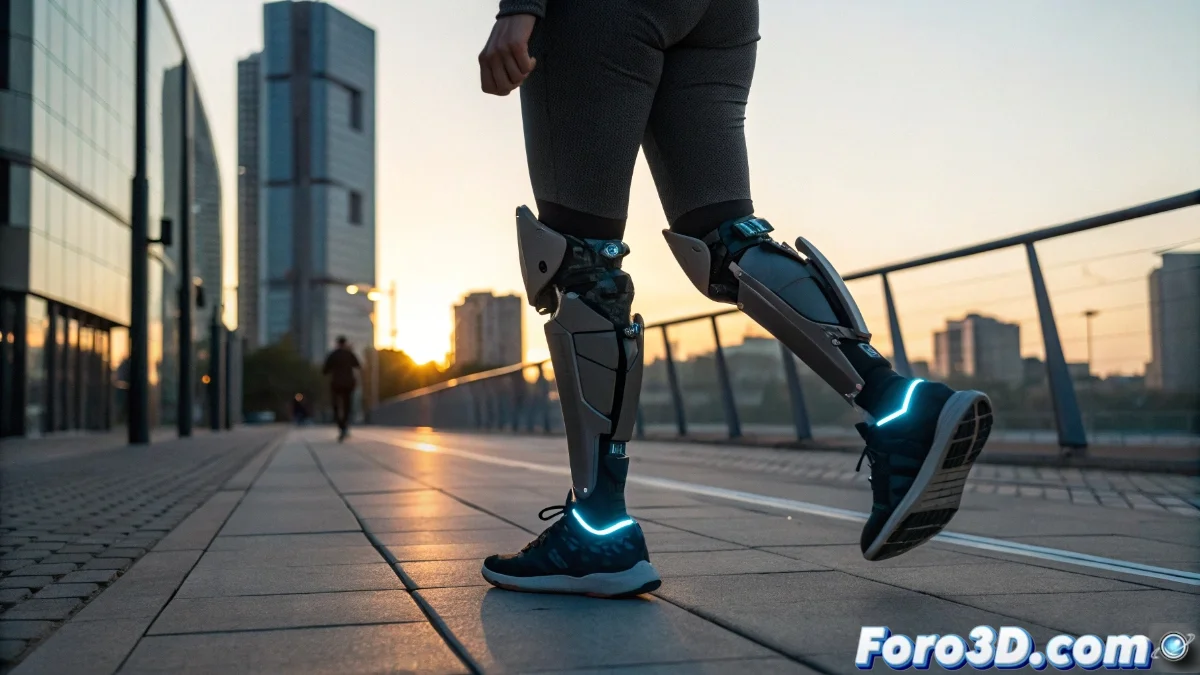
Bilateral Ankle Exoskeleton: Robotic Technology for Human Mobility
Bilateral ankle exoskeletons represent a revolutionary innovation in wearable devices that adapt perfectly to both lower limbs, providing intelligent assistance during the natural walking movement. These systems incorporate advanced technology that transforms the human mobility experience 🦿
Operation and Assistance Mechanisms
The system operates through a network of specialized sensors that continuously detect the gait phase, providing precise motor impulses at the exact moment of each step. This perfect synchronization drastically reduces the muscular effort required in calves and ankles, while its ultra-lightweight and ergonomic design allows for nearly invisible integration with human anatomy.
Main features of the device:- Automatic gait phase detection using high-precision sensors
- Personalized motor assistance that activates at the precise moment of the step
- Significant reduction in muscular effort in calves and ankle joints
Robotic technology applied to human mobility is revolutionizing how we approach rehabilitation and support in daily activities
Intelligent Adaptation and Practical Applications
Using machine learning algorithms, the system adapts to each user's unique gait pattern, dynamically adjusting the assistance level based on speed, terrain type, and detected muscle fatigue. Actuators strategically positioned at the ankle joint generate perfectly synchronized torque that complements natural movement, storing and releasing elastic energy during each step cycle.
Main beneficiaries of this technology:- People who walk long distances regularly
- Older adults who require additional support in their mobility
- Patients in advanced physical rehabilitation processes
Impact on Rehabilitation and Work Environments
Beyond fatigue reduction in daily activities, this specialized exoskeleton demonstrates extraordinary value in clinical settings where patients with reduced mobility need specific support to recover their natural gait pattern. Therapists can program personalized assistance levels for each rehabilitation session while monitoring progress through real-time data. In industrial environments, workers who stand or walk during long shifts experience less muscle exhaustion and significantly increase their productivity when using these assistance devices 🤖
Final Reflection on Technology and Mobility
It is paradoxical that after so much technological development aimed at facilitating the act of walking, many people continue to opt for the elevator to climb a single floor. This cutting-edge technology not only represents an advance in motor assistance but also invites us to reflect on our relationship with natural movement and how we integrate technological solutions into our daily lives 🚶♂️