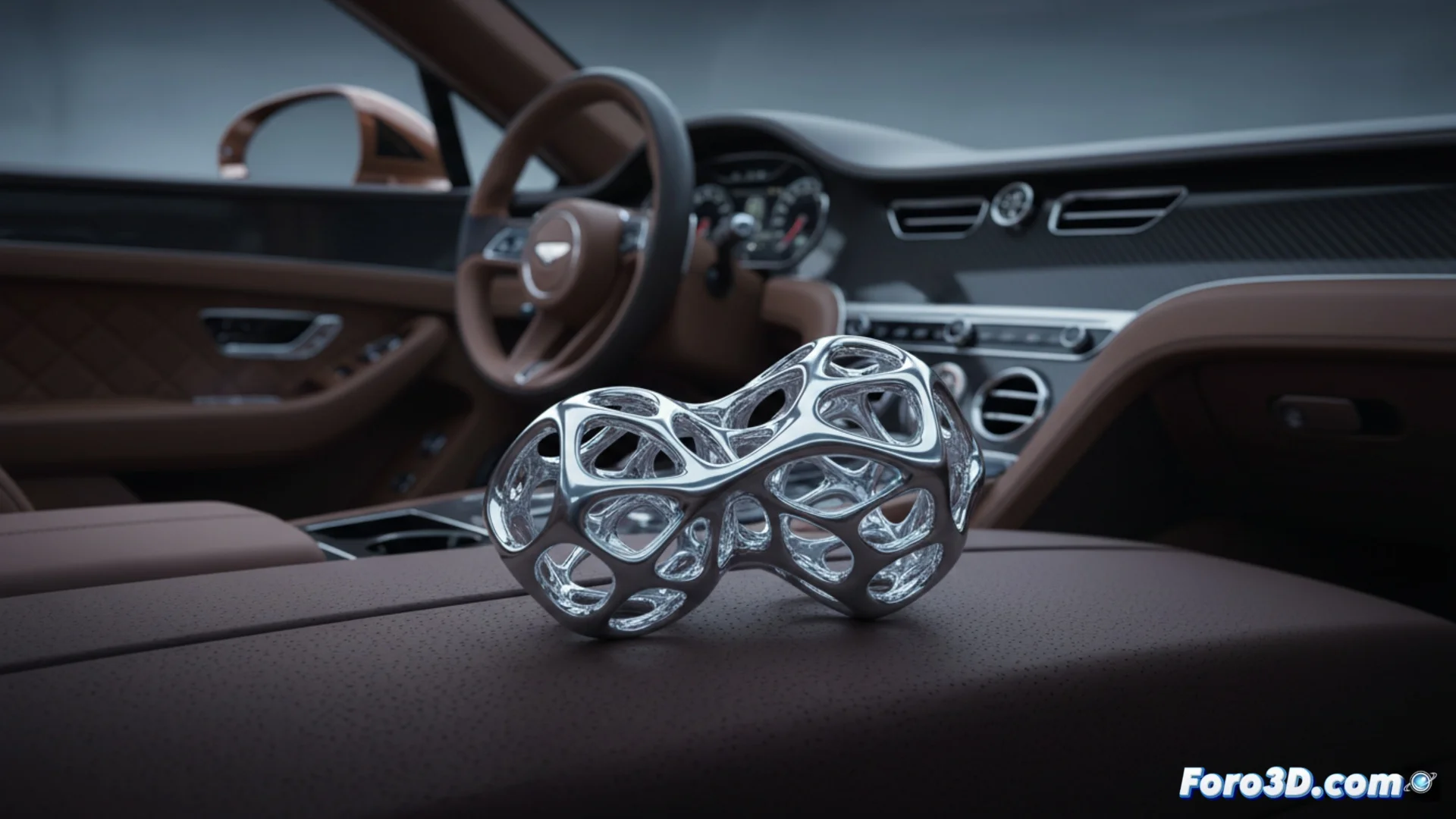
Bentley Batur Convertible Incorporates Pure Platinum Ornaments Printed in 3D
The British luxury car brand, Bentley Motors, unveils an exclusive version of the Batur Convertible. This model includes internal decorative elements made of pure platinum, produced for the first time using 3D printing technology. This advancement marks a milestone in how customized components are manufactured for the ultra-luxury sector. 🚗
Manufacturing with Precious Metal Powder
To create these ornaments, Bentley applies an additive manufacturing process. They use platinum powder that a laser melts layer by layer, building the final geometry of the piece. This method enables intricate shapes that would be very difficult to achieve with traditional machining techniques. Additionally, it optimizes material usage, generating less waste.
Manual Finishing Process:- Once printed, each component requires hand-finishing.
- This work includes polishing and buffing the metal surface.
- The goal is to achieve the impeccable luxury finish that defines the brand.
3D printing with precious metals opens new frontiers for personalized design in automotive.
Exclusivity and Customer Choice
Integrating 3D printing directly responds to buyers' demand to customize their vehicles. Customers who purchase the Batur Convertible can select from different designs for these platinum elements, located in the cabin. This strategy allows Bentley to offer a superior level of exclusivity in its most special models.
Key Advantages of This Approach:- Allows creating unique and complex pieces on demand.
- Combines traditional craftsmanship with cutting-edge technology.
- Further differentiates limited-edition models in the market.
The Future of Printed Components
Currently, this innovation is reserved for extreme luxury editions. However, it raises the possibility that, in the future, similar technologies could be used to produce spare parts or components in production models. The challenge will be to make these advanced processes viable on a larger scale, while maintaining quality standards. 🔧