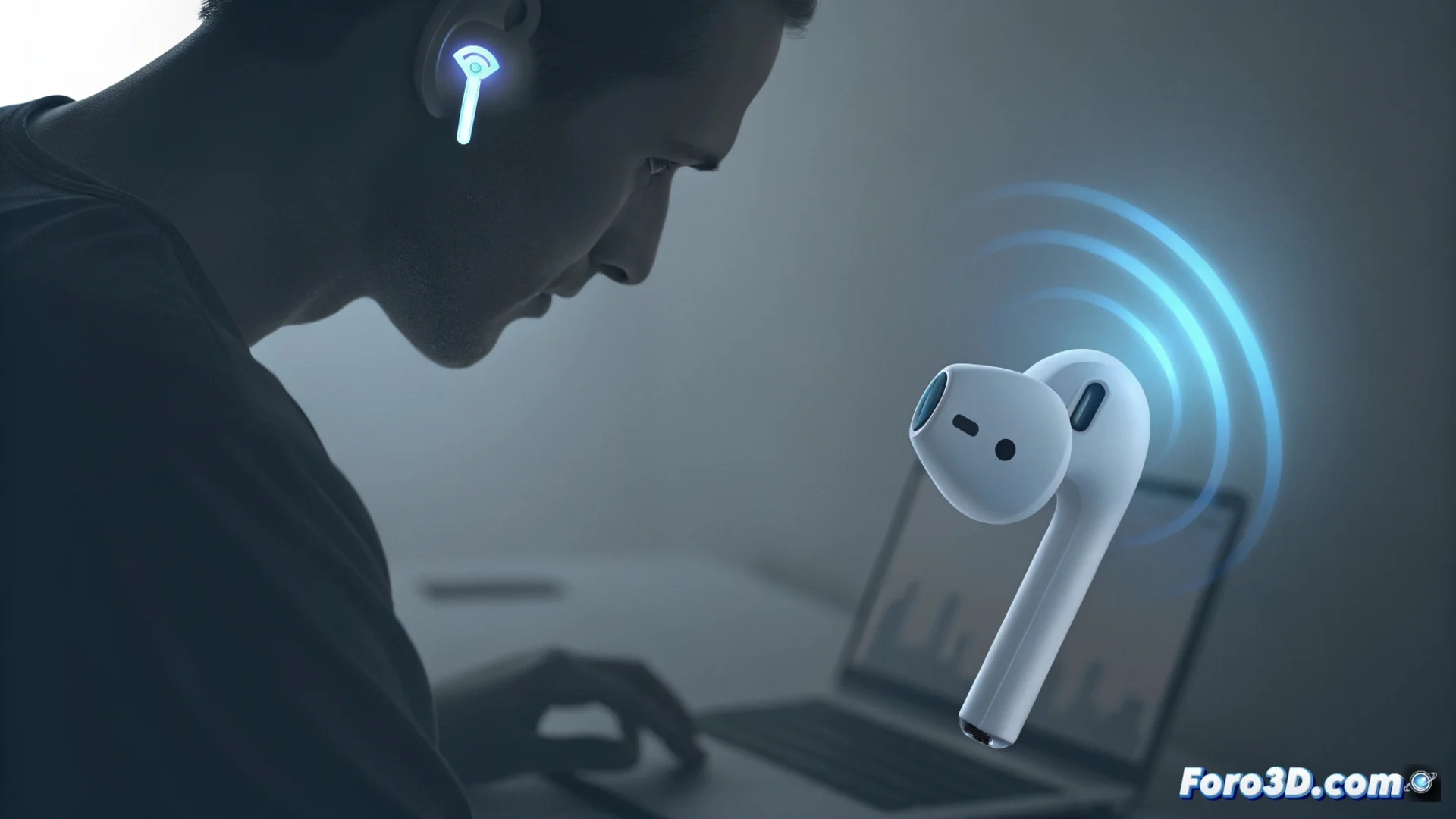
Belgian Experts Detect Critical Flaws in Google Fast Pair for Bluetooth
A team of cybersecurity specialists from the University of Leuven, in Belgium, has revealed serious issues in the Google Fast Pair protocol. This system, designed to pair audio devices with phones instantly, contains flaws that compromise user privacy. 🎧
An Attacker Can Intercept Phone Calls
The experts detail that a malicious individual, located in physical proximity to the victim, can exploit these vulnerabilities. The method involves impersonating legitimate headphones or a speaker, tricking the smartphone into initiating pairing. Once this fraudulent connection is established, the attacker can redirect the call audio to their own equipment, listening to conversations in real time without the phone owner noticing.
Key points of the vulnerability:- The attack requires the aggressor to be near the target, within Bluetooth range.
- The protocol prioritizes speed over robust security checks.
- The victim does not receive a clear alert during the malicious pairing.
The system does not sufficiently robustly verify the identity of the device requesting pairing, opening a window for a malicious device to impersonate a trusted one.
The Core of the Problem: Authenticating Devices
The main flaw lies in how the protocol authenticates devices. Fast Pair focuses on providing convenience and an ultra-fast connection, but this approach weakens essential mechanisms to confirm who is connecting. This allows unauthorized hardware to present itself as reliable.
Consequences and Current Status:- Millions of headphones and speakers using this technology could be affected.
- Google is aware of the researchers' report and is already developing security patches.
- The fixes will be implemented in future system updates.
Reflection on Convenience vs. Security
This case highlights the risk of sacrificing protection measures to achieve a smoother user experience. The next time your headphones connect instantly to a device, it could be a warning sign. Staying alert and applying software updates is crucial to protect your audio privacy. 🔒