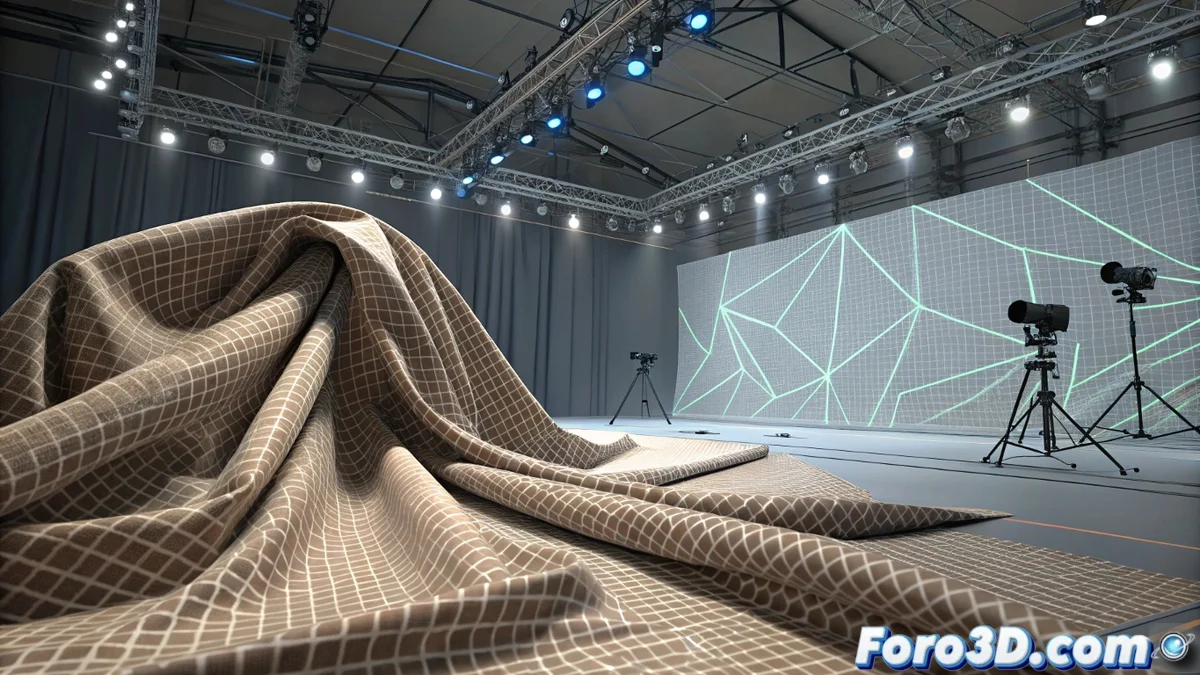
Baking Dynamics in Digital Animation: Fundamentals and Practical Application
In the fascinating world of digital animation, the process known as baking dynamics constitutes a determining phase where complex physical simulations are transformed into reproducible and stable information. This technique converts intensive calculations of cloth dynamics, particle systems, or rigid bodies into stored data as key frames or vertex caches, allowing game engines and rendering software to directly access precalculated results without the need for real-time processing during playback or final rendering 🎬.
Strategic Benefits of Baking in Production
The implementation of baking dynamics provides significant advantages within modern production pipelines. By precalculating simulations, consistent reproduction across multiple platforms is ensured, and unpredictable variations that could occur during real-time simulations are eliminated. Artists can review and adjust visual results with millimeter precision, while technical directors value the drastic reduction in computational load during critical final rendering stages.
Main advantages of the process:- Ensures visual consistency across different platforms and devices
- Eliminates unpredictable variations from real-time simulations
- Significantly reduces computational load during rendering
- Facilitates collaboration between teams with stable animation files
"Baking dynamics transforms the controlled randomness of physical simulations into predictable and reproducible results, essential for high-end productions"
Integration into Professional Pipelines
In professional production environments, baking is integrated as a fundamental stage within the workflow. Technicians configure detailed simulation parameters before executing the process, which can extend from minutes to hours depending on project complexity. Once completed, the processed data is exported in standardized formats such as Alembic, USD, or FBX, ensuring compatibility across different applications and specialized software.
Professional implementation features:- Detailed parameter configuration before the baking process
- Export in standardized formats for maximum compatibility
- Simplification in version management and change control
- Work with definitive animation files instead of variable configurations
Practical Considerations and Common Challenges
It is particularly interesting how, after extensive hours of processing, unexpected results are occasionally discovered where characters turn into digital pretzels that defy all the physical laws that were being meticulously simulated. These scenarios highlight the importance of intermediate validations and iterative adjustments during the baking dynamics process, ensuring that the final results maintain physical coherence and the expected visual quality in professional productions 🎯.