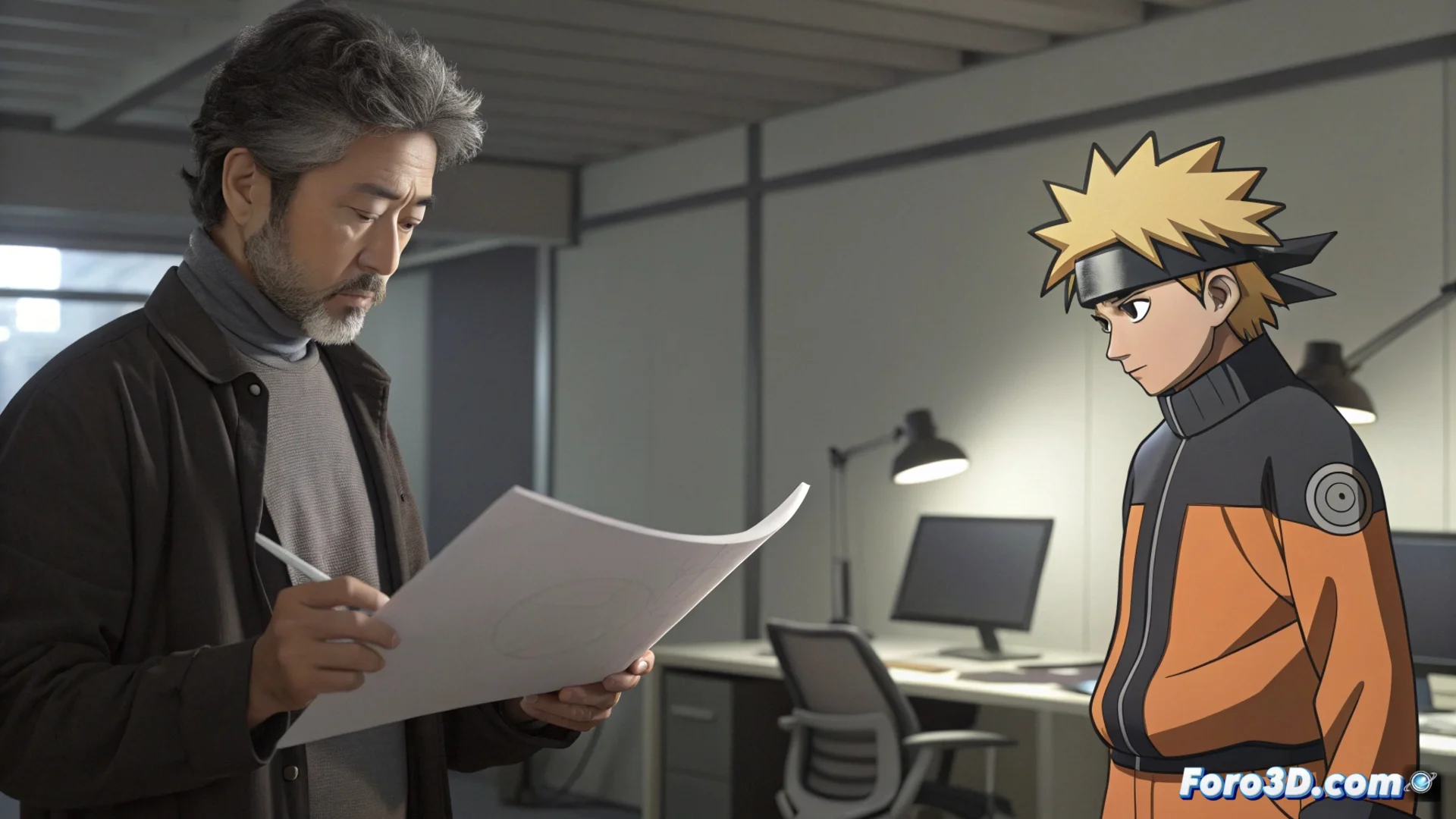
Atsuo Matsumoto Believes Naruto Doesn't Mix with 3D
The cinematographer of Studio Pierrot, Atsuo Matsumoto, takes a firm stance on using computer graphics in the Naruto series. His perspective, still relevant in 2026, touches the core of the debate between hand-drawn animation and digital tools. Matsumoto argues that the series' unique visual identity is based on a manual and dynamic line that 3D could fracture. 🎨
The Conflict Between Hand-Drawn Lines and Digital Models
Matsumoto centers his argument on a stylistic discordance. He explains that, although CG technology advances and helps optimize production processes, its application must respect the original design of the work. For Naruto, where the expressive movement of the characters is crucial, introducing more rigid 3D models can make the animation feel less fluid and organic. This view reflects a division in the industry between those who adopt new tools and those who defend a artisanal aesthetic.
Key Points of the Technical Debate:- Aesthetic Coherence: Naruto's 2D essence clashes with three-dimensional elements, breaking its established visual language.
- Organic Expressiveness: The key manual movement in the series can lose dynamism with rigid CG models.
- Artistic Priority: The decision to use a technique must first serve the narrative and style, not just efficiency.
Naruto's identity was built on a specific 2D language that 3D could break.
CG Integration in Anime and Community Reactions
Over the years, numerous anime productions have successfully blended 3D animation seamlessly. However, Naruto remains a particular case study. Both fans and professionals constantly discuss when computer graphics help tell the story and when they become a distracting element. Matsumoto's observation does not reject technology outright, but advocates for applying a rigorous artistic criterion when evaluating which technique to use.
Factors Influencing 3D Perception:- Technical Evolution: Although CG improves, its application must be invisible and support the narrative.
- Fan Expectations: Naruto's audience is accustomed to a specific 2D style, making 3D incursions noticeable.
- Series Legacy: As a pillar of modern anime, any change in its visual style generates intense debate.
A Difficult Balance to Achieve
It is paradoxical that a series about ninjas who transform and clone finds obstacles in blending two animation styles. The final reflection emphasizes that the discussion goes beyond Naruto; it is about how the industry balances innovation and tradition. The challenge is not whether the Rasengan and a 3D model can coexist on screen, but in making that coexistence authentically serve the essence of the work. Matsumoto's stance invites reflection on preserving the artistic soul when adopting new tools. ⚔️