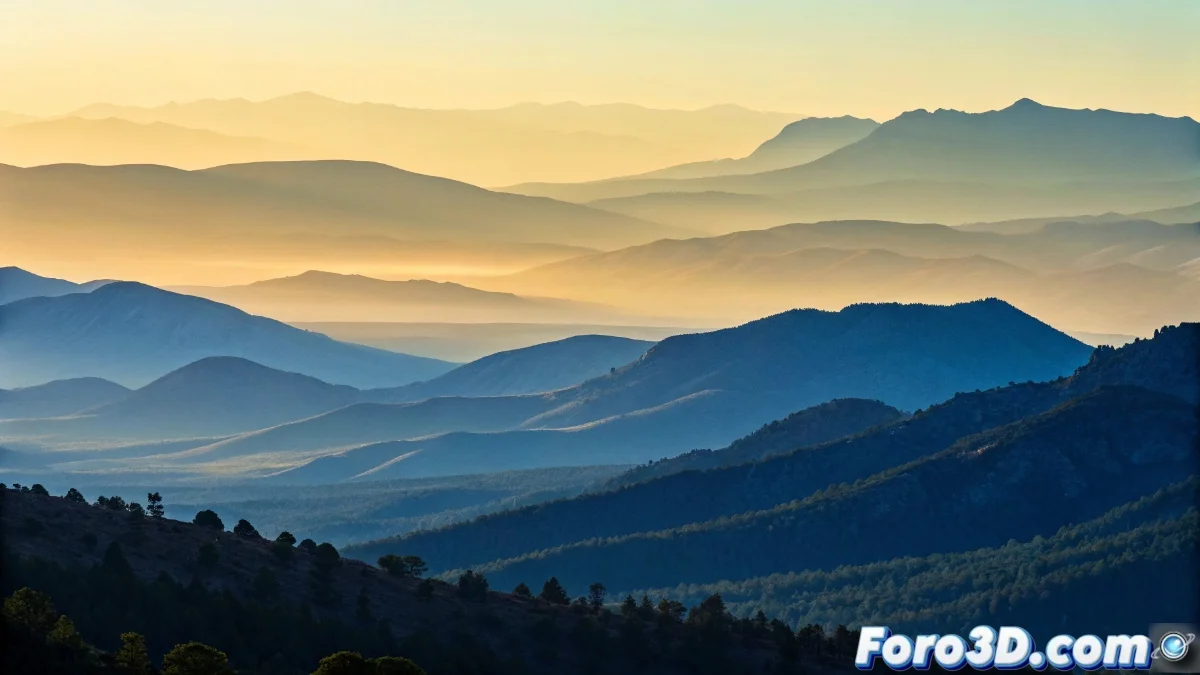
Atmospheric Stacking in Digital Environments: Depth and Scale
Atmospheric stacking is a systematic method that employs the superposition of atmospheric layers to generate a convincing illusion of depth and scale in digital scenes. This technique leverages real physical principles, where suspended particles scatter light and progressively reduce color saturation, creating an atmospheric veil effect that enriches visual perception 🎨.
Technical Implementation in Graphics Pipelines
In practice, atmospheric stacking is executed through shaders and compute processes that handle independent layers of atmospheric density. Variable textures and height maps are used to control transitions between levels, adjusting parameters such as scattering coefficients, light absorption, and tonality per layer. Modern graphics engines optimize this workflow with depth buffers that automate gradients based on distance to the camera, achieving stunning results without compromising performance ⚙️.
Key Elements in Implementation:- Variable density textures to simulate independent atmospheric layers
- Height maps that regulate transitions between depth levels
- Depth buffers that automate gradients based on distance
The integration of atmospheric stacking into visual pipelines allows for the creation of realistic atmospheric gradients that immensely enhance the perception of scale in digital environments.
Creative Applications and Artistic Control
Beyond technical realism, this technique offers exceptional artistic control over visual narrative. Artists can manipulate layers to direct the viewer's attention, exaggerate certain atmospheres in fantasy worlds, or establish moods through stratified coloration. It is especially useful in cinematic sequences and video games where environmental legibility is crucial for quickly conveying geographical vastness 🌄.
Creative Advantages of Atmospheric Stacking:- Ability to direct visual attention through exaggerated layers
- Creation of sensations of vastness in fantasy or realistic environments
- Establishment of moods with stratified atmospheric coloration
Conclusion and Industry Relevance
Atmospheric stacking has established itself as a fundamental tool in digital graphics, combining technical precision with creative flexibility. From subtle morning mists to dense apocalyptic fogs, this technique allows artists to manipulate the perception of depth and scale with a unified set of tools. The next time a render looks flat, remember that sometimes the solution is to add more "air" strategically 💨.