Aston Martin and Honda Warn About the 2026 Engine Regulations
Formula 1 faces a major technical change for the 2026 season, with a new engine regulation aimed at increasing sustainability. However, this project is already generating intense debate among the teams. The future alliance between Aston Martin and Honda has been the first to raise its voice, warning that the proposed rules could harm the spectacle and the grid by overly restricting how power units evolve. 🏎️⚡
The Heart of the Technical Problem
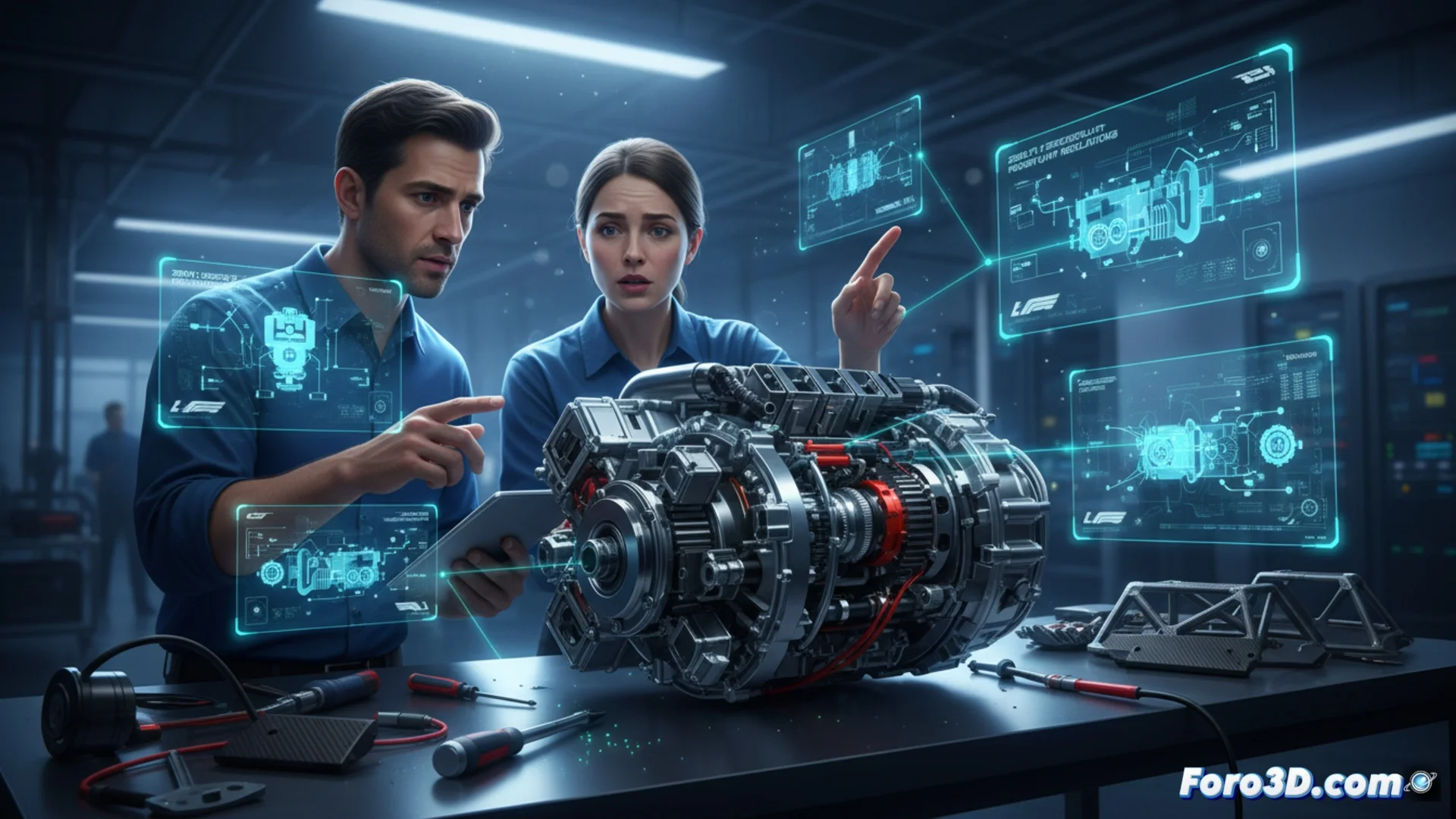
The main criticism focuses on the energy distribution that the combustion engine must generate compared to the electric system. The 2026 regulations require that almost half of the power comes from electricity, using a combustion engine that runs solely on sustainable fuel. Honda and Aston Martin argue that this split could force engineers to create thermal engines that are too small and with very reduced individual power. This could result in slower cars on straights and more complex to drive, as the driver would depend heavily on electrical energy, which is not constant.
Key Points of the Controversy:- The 50% electric proportion limits the development of the combustion engine.
- Less powerful thermal engines affect top speed.
- The delivery of electrical energy, being non-continuous, complicates driving the car.
If the specifications are not adjusted, the new engines will not meet the goal of improving the races.
Consequences for the Championship
This public warning seeks to get the FIA to reconsider certain points before finalizing the regulations. There is concern that, without changes, the new power units will not achieve the goal of making races more exciting. A less powerful combustion engine could make overtaking more difficult and reduce top speeds, two essential elements for the show. Other manufacturers, like Mercedes and Ferrari, have also expressed doubts, though less firmly. The dialogue between the governing body and the manufacturers is now crucial to find a balance.
Possible Impacts on the Track:- Difficulty in performing overtaking maneuvers.
- Reduction in top speed on circuits.
- Risk that the engine sound and excitement will be diminished.
The Future of Technical Dialogue
While engineers discuss megawatts and energy balances, the fans hope that the cars maintain their sonic essence and that the excitement on the asphalt remains intact. An engine with 50% electric contribution does not guarantee by itself to meet these expectations. 🏁 The consensus between the FIA and the teams will be vital to define the course of F1 in this new technological era.