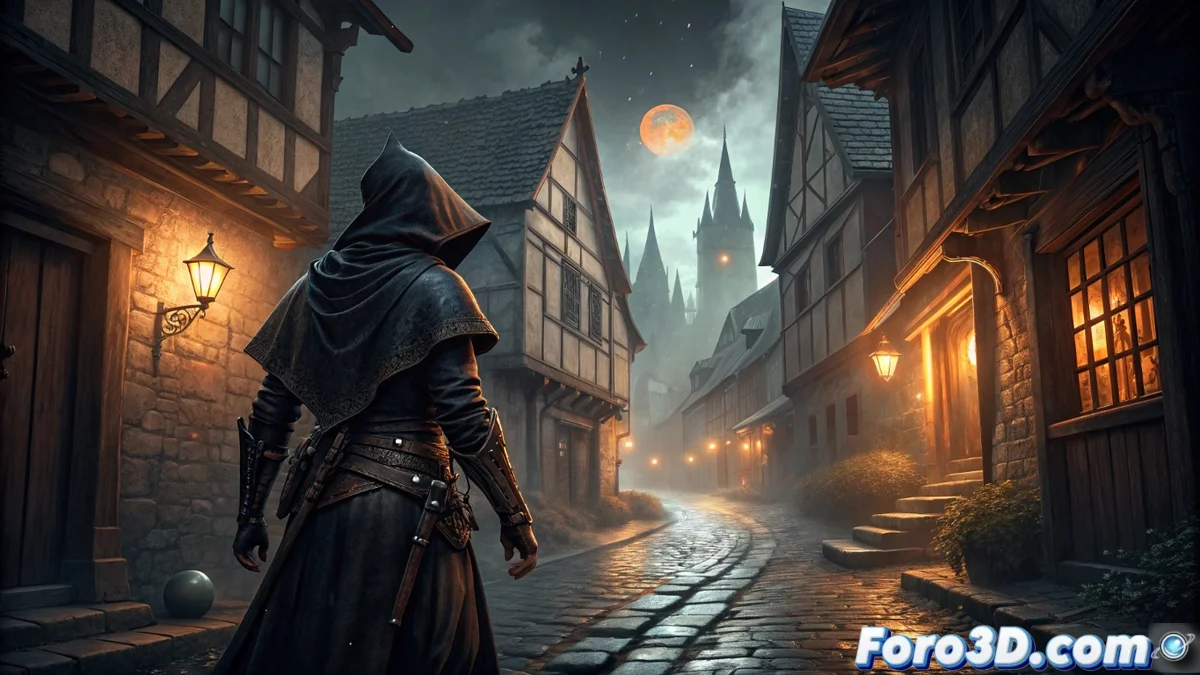
Assassin's Creed Hexe Powers Its Darkness with the Anvil Engine and Ray Tracing
The next big adventure in the iconic saga, Assassin's Creed Hexe, is being forged on Ubisoft's technological anvils. The company has confirmed that the title will use a significant evolution of its internal engine, the Anvil engine, which laid the foundations for recent successes like Valhalla and Mirage. This update is specifically aimed at fully exploiting the potential of next-generation consoles and the most powerful PCs, promising a qualitative leap in the gaming experience. 🎮
The Technological Heart: A New Era for the Anvil Engine
The Anvil engine is not new, but for Hexe it is receiving a deep overhaul. This project acts as a testbed for the engine's most advanced capabilities, preparing it for the visual standards that will dominate the coming years. The focus is on creating a coherent, dense, and above all atmospheric world, something crucial for conveying the unsettling theme of witchcraft and mystery surrounding the game. Development continuity is maintained, but internal tools are being redefined to unlock a new level of detail and complexity.
Key Technical Pillars of This Evolution:- Ray Tracing: Implemented as a central pillar, not as a mere adornment. It will radically improve the realism of lighting, dynamic shadows, and reflections, fundamental for the dark atmosphere.
- High-End Graphical Fidelity: Ultra-high-resolution textures, character models with exquisite detail, and complex environmental effects that aim to rival the most demanding AAA titles on the market.
- Next-Generation Optimization: Native design for modern hardware, with the probable inclusion of upscaling technologies like NVIDIA's DLSS or AMD's FSR to balance smooth performance and extreme visual quality.
The goal is to offer a visual experience that marks a before and after within the saga itself, positioning Hexe as a technical benchmark for the company.
Ray Tracing: The Magic Behind the Witchcraft
Ray tracing technology will be one of the big technical protagonists. In Hexe, its use is designed to be immersive and narrative. Imagine the flickering light of a candle in a gloomy cabin casting real and dynamic shadows, or the faint reflection of a cauldron on a damp stone floor. This technique not only beautifies but deepens the sense of danger and mystery. Ubisoft intends for graphics technology to be a narrative ally, where light and darkness tell part of the story and affect gameplay. ✨
Expectations and Technical Challenges:- Atmospheric Immersion: The biggest challenge is using ray tracing to build an oppressive and believable atmosphere, where every beam of light contributes to the sense of unease.
- Managing Dense Worlds: Wooded environments and medieval settlements promise to be complex. The engine must efficiently manage this density without sacrificing performance.
- Performance-Quality Balance: With such ambitious graphics, the integration of intelligent scaling solutions will be almost essential to ensure stable frame rates across a wide range of hardware.
A Legacy Seeking Reinvention
With Assassin's Creed Hexe, Ubisoft not only presents a new historical chapter but a technological statement of intent. The evolution of the Anvil engine and the decisive bet on ray tracing show a clear path toward uncompromising visual fidelity. The community eagerly awaits to see if this "graphical witchcraft" manages to enchant players without their PCs literally performing rituals of smoke and strange sounds under extreme load. The technical bar is high, and Hexe promises to be the title that surpasses it. 🔮