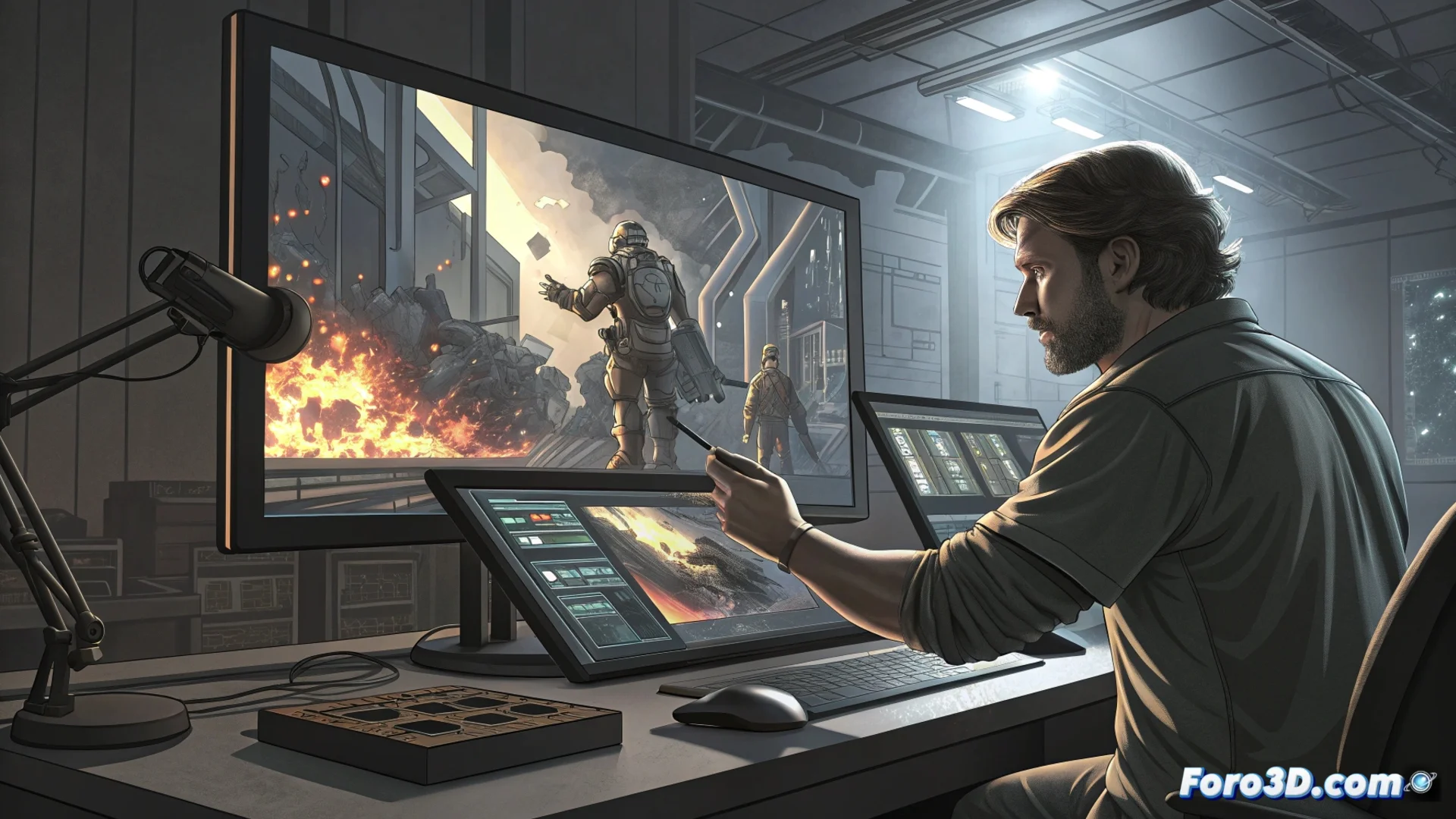
Artificial Intelligence Redefines Creating Visual Effects
The landscape of producing images for film and video games is undergoing a full transformation. AI tools and machine learning are replacing time-consuming manual methods, allowing studios to iterate at unprecedented speeds. This shift affects every phase, from the initial concept to the final adjustments in post-production. 🎬
The Artist as Director of Creative Algorithms
Far from replacing the human, these technologies function as powerful assistants. A modeler can use a trained system to sketch dozens of character variations in minutes, or to clean unwanted elements from a filmed plate. This frees up mental resources to focus on complex aesthetic decisions and narrative. The technical barrier to achieving certain effects lowers, allowing studios with fewer resources to compete in the visual field. The professional's role evolves from executing repetitive tasks to supervising and polishing what the AI suggests.
Processes that AI is accelerating:- Generating textures and realistic materials from descriptions or examples.
- Simulating fluids, fabrics, and complex dynamics faster and with less manual computing power.
- Creating extensive digital environments, populating them procedurally with coherent variations.
Now a director can say "make it more epic" and get ten versions in seconds, though they may then spend hours deciding which one they like least.
The Debate: Control, Transparency, and Unique Style
Discussions arise about the risks of over-relying on algorithms whose internal workings are not always clear. There is concern that the visual style may homogenize if many artists use the same training databases for their models. Others see this as a natural evolution, similar to the jump from traditional to digital animation. The central question is who retains final creative control. Technology lacks intention or artistic judgment; it only responds to the parameters defined by a person.
Key points of the current debate:- Creative control: The artist must maintain ultimate authorship over aesthetic decisions.
- Process originality: How to avoid results becoming generic when using similar tools.
- Algorithmic transparency: Understanding how the