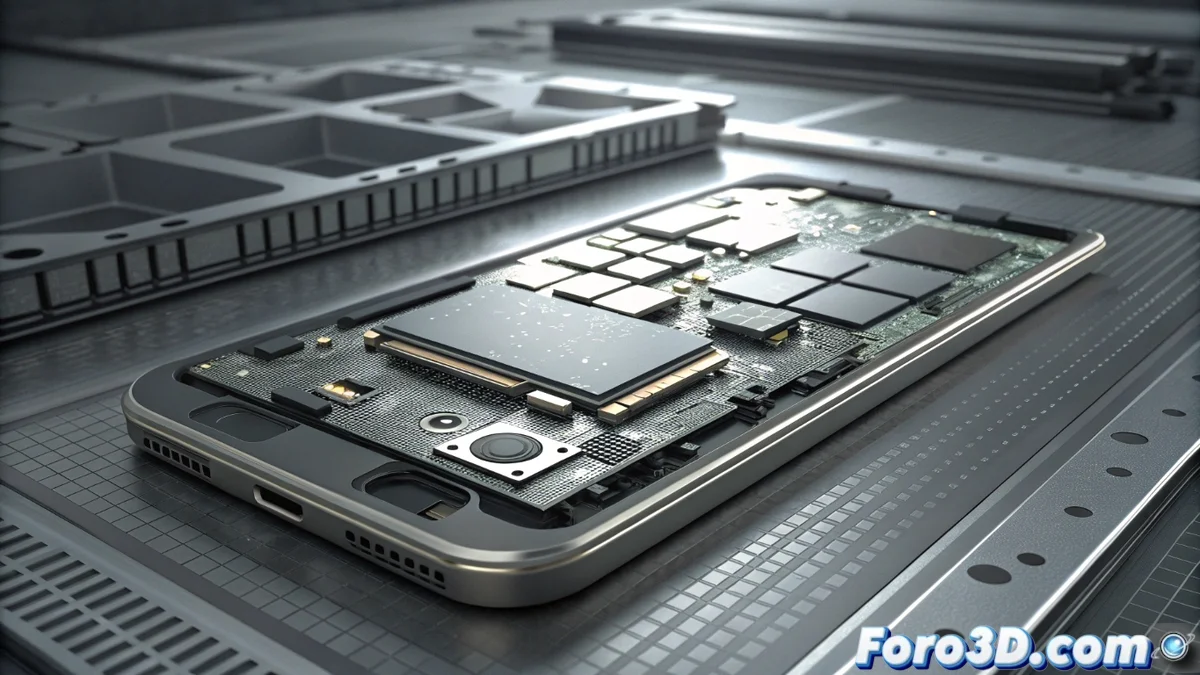
Artificial Intelligence Raises the Price of Basic Phones by Pressuring Memory
Analysts from the sector, such as TrendForce and Calian Press, point out a collateral effect of the artificial intelligence boom: it is straining the smartphone market. The core of the problem lies in memory chips, a component whose cost is increasing due to the voracious demand for hardware to process AI. This redistributes global manufacturing resources. 🤖
The Bottleneck in Essential Components
The need for more powerful and expensive memories for servers and AI devices generates a relative shortage. Foundries prioritize producing these advanced modules, which reduces availability for manufacturing previous-generation memories. These memories, such as DDR4, remain the foundation for a huge number of smartphones, directly affecting their price and supply.
Immediate consequences in the market:- Older memory modules experience abrupt price increases.
- Smartphone manufacturers face higher component costs.
- Production capacity is diverted toward newer and more profitable nodes for AI.
It seems that wanting a basic phone that does more than just make calls will soon be a luxury, thanks to machines needing to remember more and more things.
The Budget Range, the Most Vulnerable
This scenario particularly harms the entry-level range. Budget models rely on components like DDR4x to keep their prices low. When these become more expensive, manufacturers have less margin to absorb the cost. Unlike flagships, which can pass the increase on to the end consumer, here profitability decreases or they are forced to cut other specifications.
Difficult decisions for brands:- Accelerate the transition to new memories (e.g., LPDDR5) in segments where it was not previously viable.
- Simplify other phone components (cameras, materials) to offset the memory cost.
- Seek alternative suppliers or accept reduced profit margins.
The Future Seeks an Uncertain Balance
The industry finds itself at a crossroads to balance performance and cost. The strategy of giants like Samsung Electronics to increase production in mature memory nodes will be key. The market watches to see if supply can meet the dual demand: the explosive need for AI chips and the stable consumer base for affordable mobiles. Access to a smartphone with modern basic capabilities could depend on this fragile balance. ⚖️