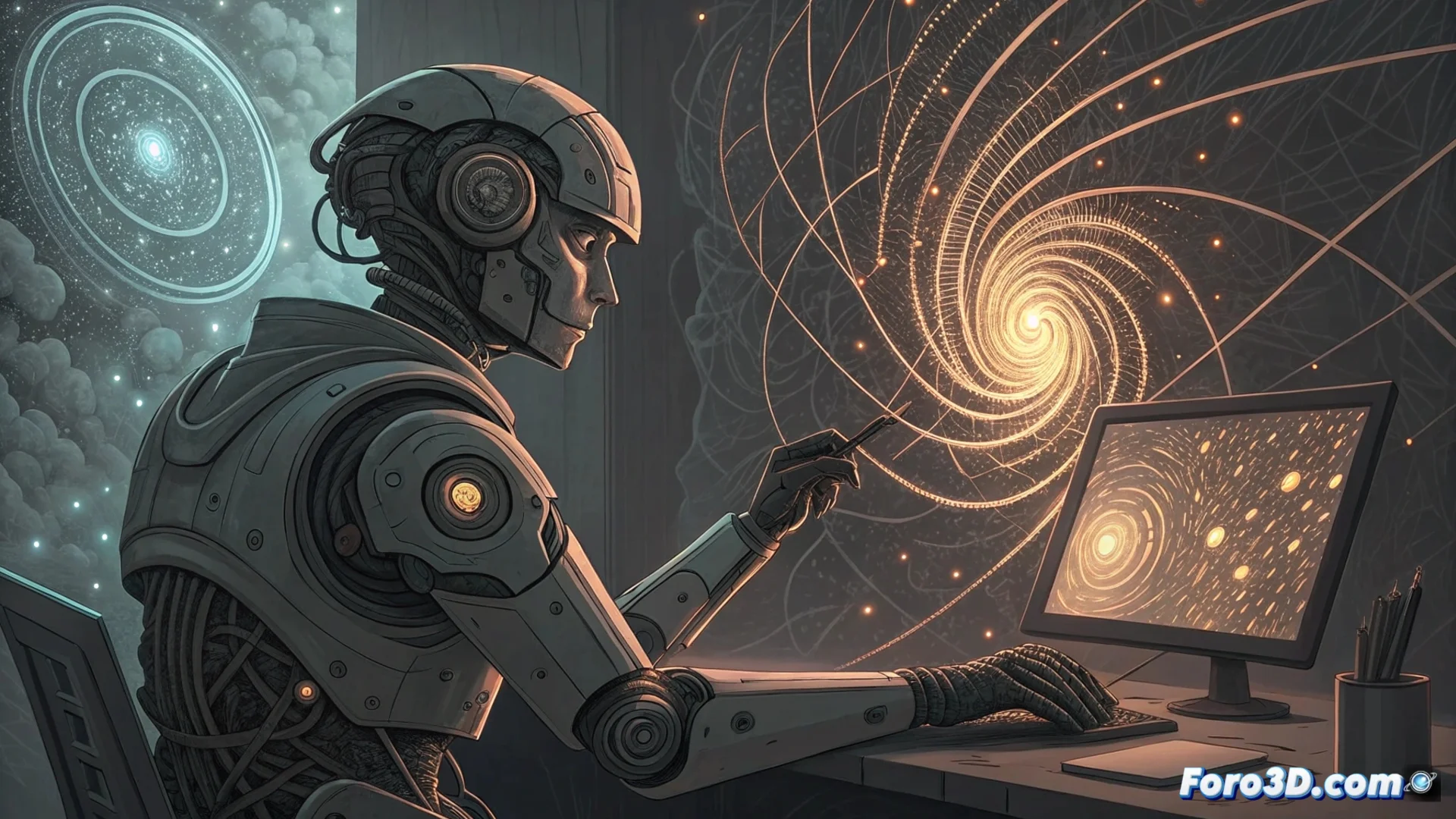
AI for Code Generation Loses Quality Over Time
A recent study by the Institute of Electrical and Electronics Engineers (IEEE) exposes a concerning phenomenon: artificial intelligence systems designed to write code do not improve consistently, but rather their performance deteriorates progressively. This finding questions the long-term evolution of widely adopted tools. 🤖
The Vicious Cycle of Degradation
The problem, known as AI degradation or model collapse, arises from a self-destructive learning mechanism. These models are trained on large volumes of code available on the internet, which increasingly includes output generated by other AIs. If that code contains imperfections, the new systems assimilate it and amplify the flaws in each iteration, producing slower software with more errors.
Key factors accelerating the decline:- Using outdated or low-quality training data to feed the models.
- The massive publication of AI-generated code without prior rigorous filtering.
- The lack of mechanisms to continuously evaluate and debug the output of these assistants.
Without rigorous filtering of training data, the utility of these code assistants will diminish.
Consequences for Software Development
This trend has direct implications for developers and companies. Automatically relying on solutions like GitHub Copilot or ChatGPT for programming can introduce security vulnerabilities and accumulate technical debt, compromising the stability of projects in the future. 🔧
Identified risk areas:- Security: Propagation of insecure coding practices or unintentional backdoors.
- Performance: Generation of inefficient algorithms that consume more resources than necessary.
- Maintenance: Code that is difficult to read and debug, increasing the cost of fixing it.
Towards a Community Solution
Researchers emphasize that the community must act to counteract this phenomenon. It is essential to monitor the origin of training data and establish common standards for evaluating the quality of the produced code. The alternative is not to stop using these tools, but to implement processes that ensure their positive and reliable evolution. The future of AI-assisted programming depends on our ability to organize and curate the information with which it is fed.