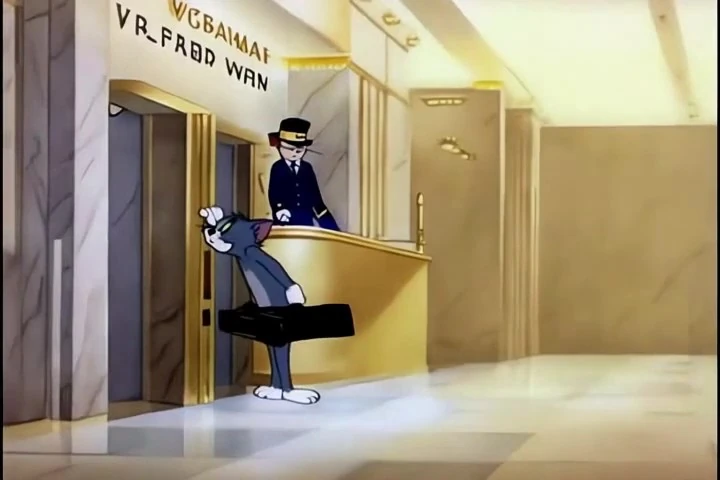
The Evolution of Classic Animation with Artificial Intelligence
A multidisciplinary team composed of artificial intelligence specialists and academics developed an innovative project that combines traditional animation with cutting-edge technology. The experiment used classic episodes from a famous cartoon series to train a model capable of generating unprecedented visual content.
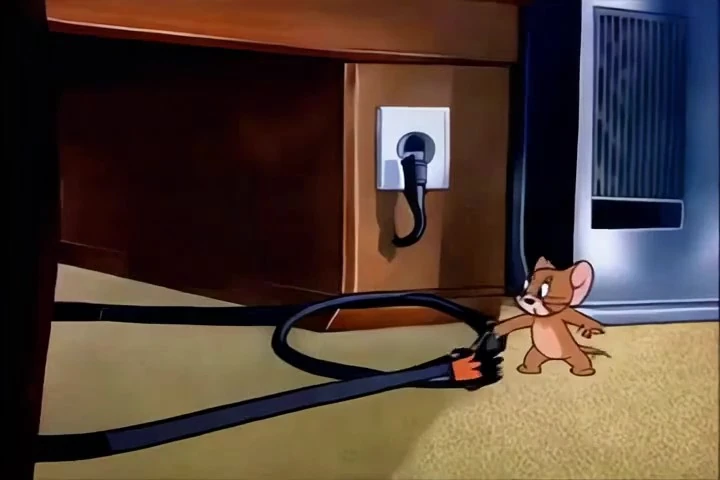
Overcoming Technical Barriers in Video Generation
Current AI video creation systems face a significant obstacle: the difficulty in maintaining coherence in prolonged sequences. While the most advanced platforms barely manage to produce twenty continuous seconds, this initiative sought to break that limit. The goal was to achieve complete one-minute scenes without requiring subsequent manual editing.
The process demonstrated that current technology allows exploring new forms of visual creation, although still with certain limitations in narrative quality.
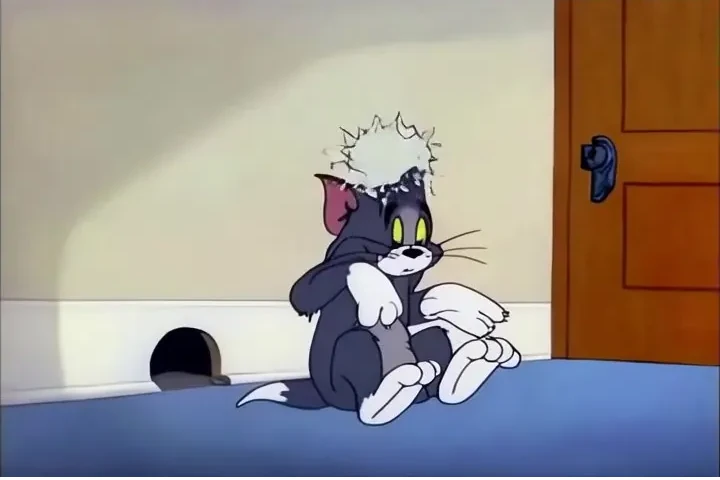
Learning Classic Patterns
For training the system, dozens of historical episodes were selected that featured recurring situations between two animated characters. These materials provided a rich foundation in:
- Movement dynamics: chases and exaggerated physical actions
- Narrative structures: patterns of conflict and humorous resolution
- Visual style: distinctive features of the original design
A Modern Setting for Traditional Characters
Among the most striking results was a sequence that transported the well-known characters to a contemporary environment. The scene showed a conventional workday that descended into the characteristic chaos of the series. This exercise allowed evaluating the system's ability to:
- Adapt established personalities to new contexts
- Maintain the humorous essence in different situations
- Generate smooth transitions between scenarios
Reflections on the Future of Digital Creation
The project highlighted both the advances and current limitations of the technology. While complete sequences with some coherence were achieved, imperfections also arose that reveal the need for further development. This type of initiative does not aim to replace human creativity, but to expand the tools available for creative processes.