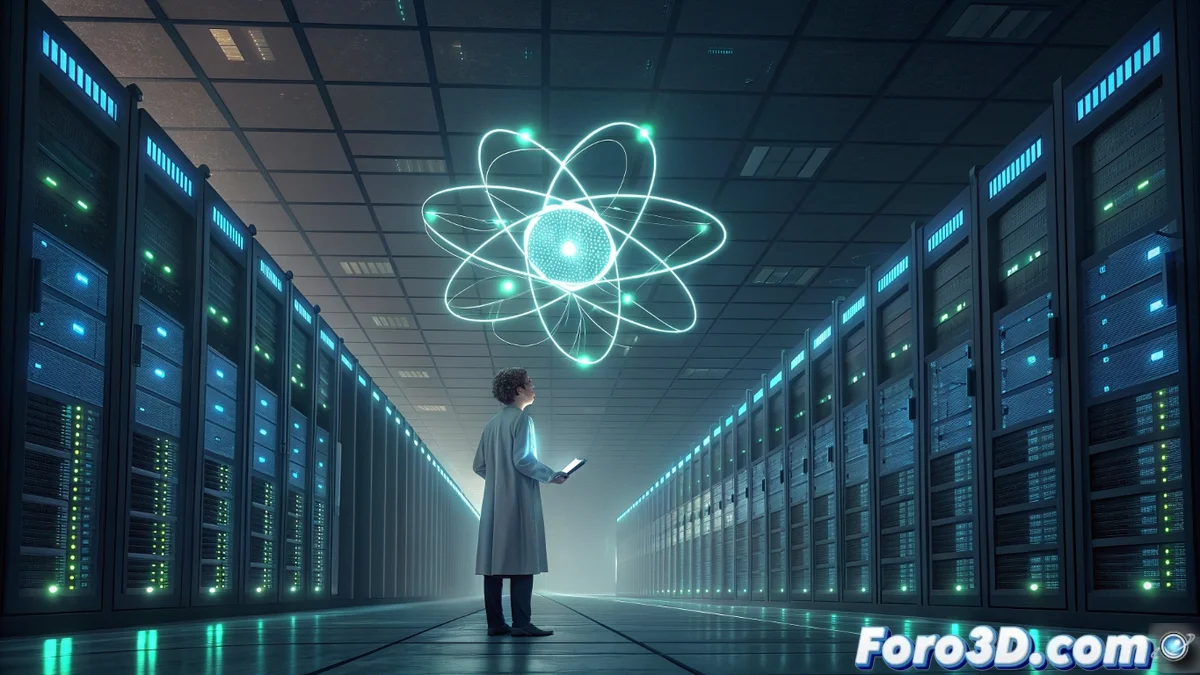
Artificial Intelligence Clashes with the Power Grid and Jensen Huang Proposes Mini-Nuclear Reactors
The advancement of artificial intelligence is so rapid that in various parts of the world, the capacity to generate electricity cannot keep up with the pace. Data centers that run complex AI models demand colossal amounts of energy, creating unprecedented strain on existing electrical infrastructures. This imbalance represents a key obstacle to sustaining the sector's growth in the future. ⚡
A Bottleneck in Power Supply
The need for computing power to process AI algorithms continues to accelerate. This demand creates an infrastructure challenge, as expanding the conventional power grid takes time and resources. The current situation forces the search for innovative and rapid solutions to prevent technological progress from being halted by a lack of energy.
Main problems that arise:- Energy generation does not scale at the same rate as new AI infrastructure is deployed.
- Data centers consume electricity at a level that strains local and national grids.
- Ensuring a constant and dense supply becomes critical to operate large language models and other systems.
“Large companies will start using modular nuclear reactors to power their own data centers.” - Jensen Huang, founder of Nvidia.
Jensen Huang's Proposal: On-Site Nuclear Energy
Jensen Huang, leader of Nvidia, envisions a practical response within six or seven years. His idea centers on technology corporations adopting modular nuclear reactors, also called mini-reactors. This strategy would allow each data center to have its own dense and potentially low-carbon energy source, independent of the general power grid. The goal is to eliminate the energy bottleneck directly at the point of consumption. 🏭
Potential advantages of this strategy:- Obtain a constant and dense energy source for high-performance computing.
- Reduce dependence on the public power grid, which can be unstable or insufficient.
- Potential to decarbonize the operation of AI data centers.
The Crucial Debate on the Future Energy of AI
This proposal reopens an essential discussion: how to make technological advancement sustainable in the long term. Some experts see nuclear energy as a necessary and viable option to ensure supply and reduce emissions. Others, however, highlight the pending challenges related to initial costs, safety protocols, and radioactive waste management. The artificial intelligence industry finds itself at a crossroads where it must innovate not only in software, but also in how to power its immense electrical appetite. The decision made will define both its environmental impact and its economic viability for decades to come. It seems that the next big language model might literally need its own power plant. 🔌