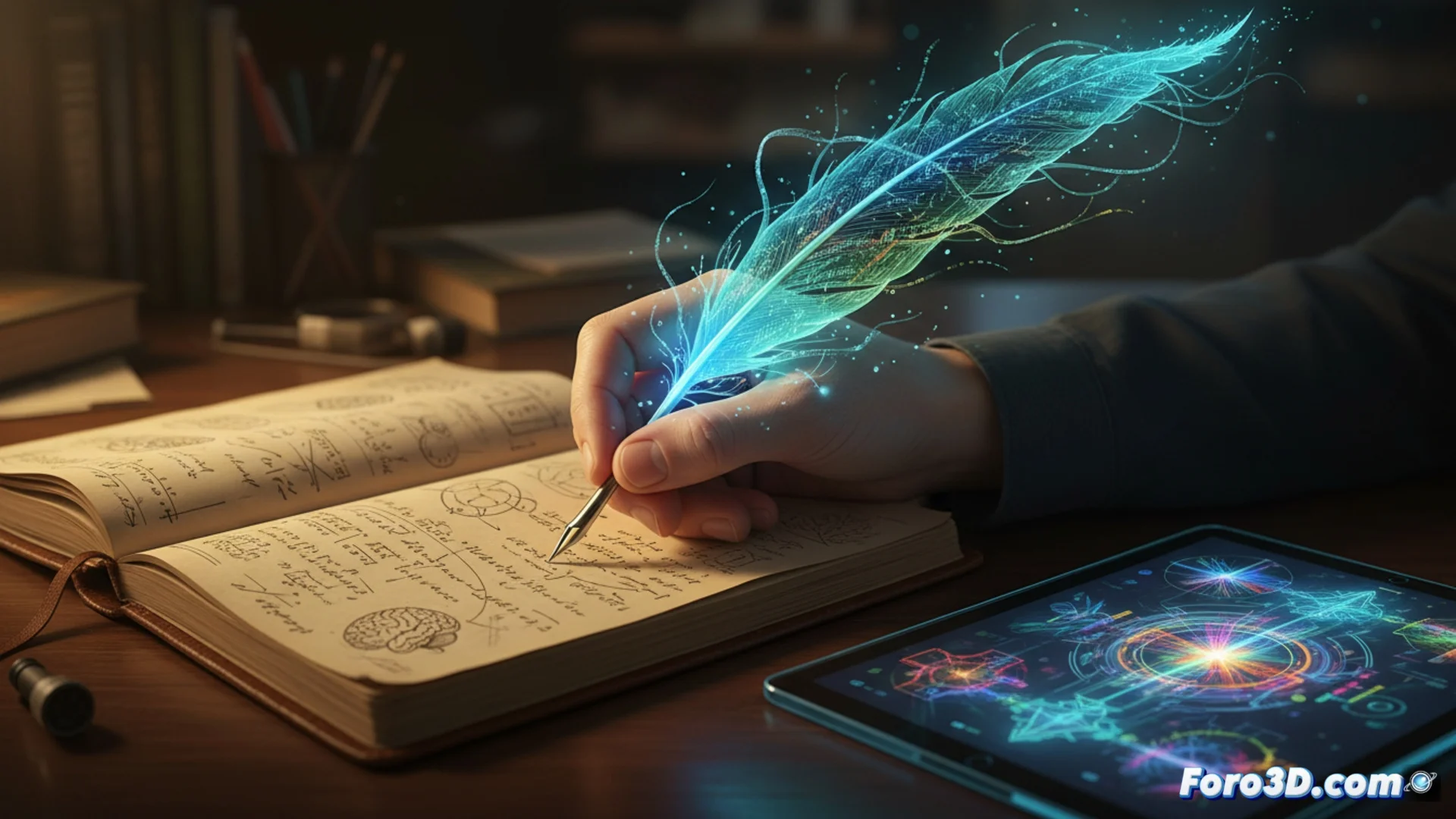
Artificial Intelligence as an Ally, Not a Substitute for Creativity
Artificial intelligence systems can produce new material by analyzing previous information, but in no case do they supplant the human capacity to invent. These digital tools operate as collaborators that speed up monotonous tasks or explore alternatives from an initial sketch. This frees artists to invest more effort in devising intricate concepts and refining their personal vision. Technology serves to enhance skills, not to eliminate the intuition and individual experience that underpin true art. 🤖🎨
AI Calculates Probabilities, Does Not Perceive Inspiration
A language model or image generator does not perceive or experience reality. Its output arises from computing statistics on a gigantic training database. Human inventiveness springs from linking personal experiences, feelings, and cultural backgrounds in unexpected ways. AI can emulate aesthetics or mix components, but conceptual discovery, meaningful metaphor, or paradigm-breaking story remain under human intellect control. The tool executes, the person ideates.
Key Differences Between the Human Process and AI's:- Origin: Human creativity arises from subjective experiences and emotions; AI from processing patterns in data.
- Motivation: The creator acts out of inspiration or expressive need; AI executes based on statistical probability.
- Result: Human art can be unpredictable and groundbreaking; AI content tends to recombine the existing.
Technology is a brush, not the hand that holds it.
The Current Danger: Uniformizing Cultural Production
The possible threat is not that AI invents, but that authors overly trust its preliminary proposals without adding a critical eye. If numerous illustrators or writers use the same algorithms with similar instructions, the product can become generic. The responsibility to preserve variety and authenticity falls to the user, who must direct the tool with their own judgment and use it to test variations, not to establish the initial concept.
How to Avoid Homogenization When Using AI:- Use the tool to iterate on a personally developed idea, not as a primary source.
- Introduce detailed and unique instructions that reflect an individual viewpoint.
- Combine AI output with manual work and personal creative adjustments.
Final Reflection on the Real Impact
The deep fear may not be that AI takes creative jobs, but that it reveals how much of the material we already consumed was formulaic and predictable before it arrived. The machine, essentially, amplifies and reflects what exists. The true challenge for creators is to use these new capabilities without abdicating their unique voice, ensuring that technology enriches, rather than impoverishes, the cultural landscape. Genuine art will always need a human consciousness behind it. 💡