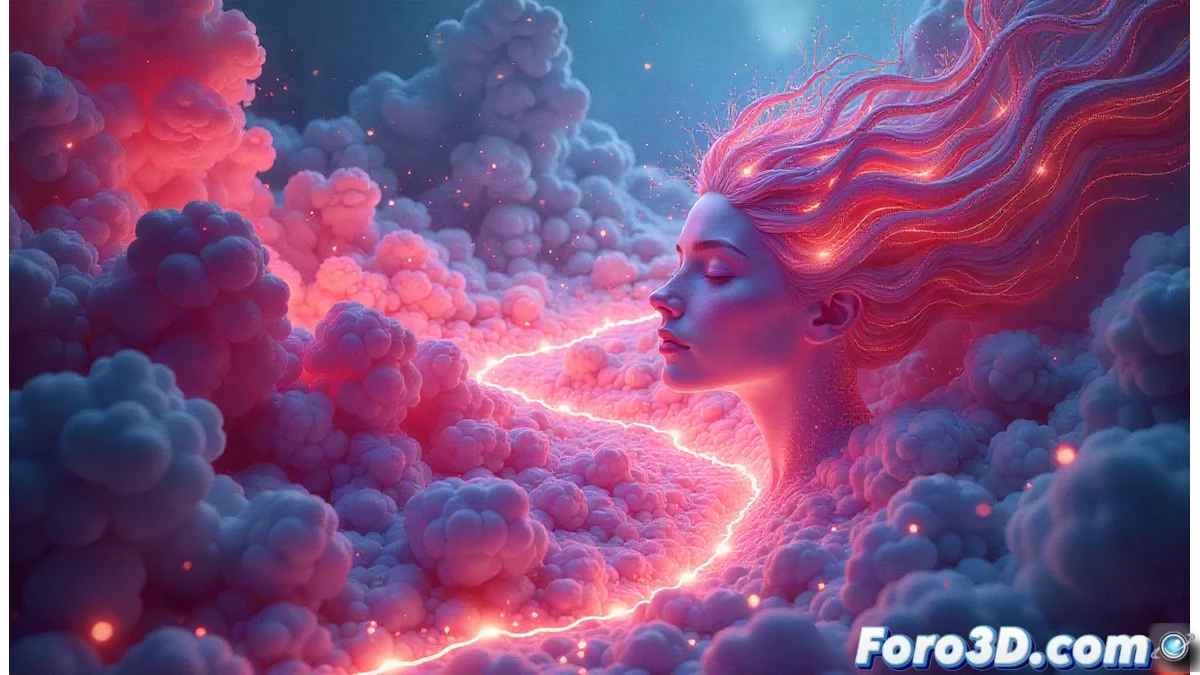
Artificial Intelligence and Its Impact on Creators: A Necessary Debate
The debate on the ethical limits of artificial intelligence in the creative field is at a crucial stage of development. The ability of these systems to generate original content without direct human participation is redefining fundamental concepts such as authorship and creativity, while legal concerns arise in a practically virgin territory 🎨.
Technological Evolution and Human Participation
The exponential growth of AI in generating creative works is advancing at an accelerated pace, generating uncertainty about how much it can operate without human supervision. This transformation not only challenges existing technical limits but also questions traditional notions such as originality and intellectual property rights.
Key aspects of development:- Capacity for autonomous generation of creative content
- Redefinition of concepts such as originality and authorship
- Dilemma between technological adoption and artistic preservation
"Artificial intelligence represents both an opportunity and a threat to creators, and we must establish clear limits that protect human rights without hindering innovation" - Reflection from intellectual property experts
Regulatory Challenges and Legal Protection
The legal and ethical implications of AI in artistic creation are extremely complex, ranging from algorithmic plagiarism to responsibility for generated content. The absence of a defined regulatory framework places artists in a vulnerable position, where their works can be replicated or used without express authorization.
Highlighted initiatives:- Regulatory proposals led by George R.R. Martin
- Efforts to balance technological innovation and human rights
- Development of regulations against non-consensual use of works
The Future of Artistic Creation
While the creative community debates whether artificial intelligence will replace humans, these technologies continue to evolve at an unprecedented pace. The path to effective legislation presents numerous challenges, but it is essential to preserve the authenticity of artistic work and protect the fundamental rights of creators in this new digital era 🤖.