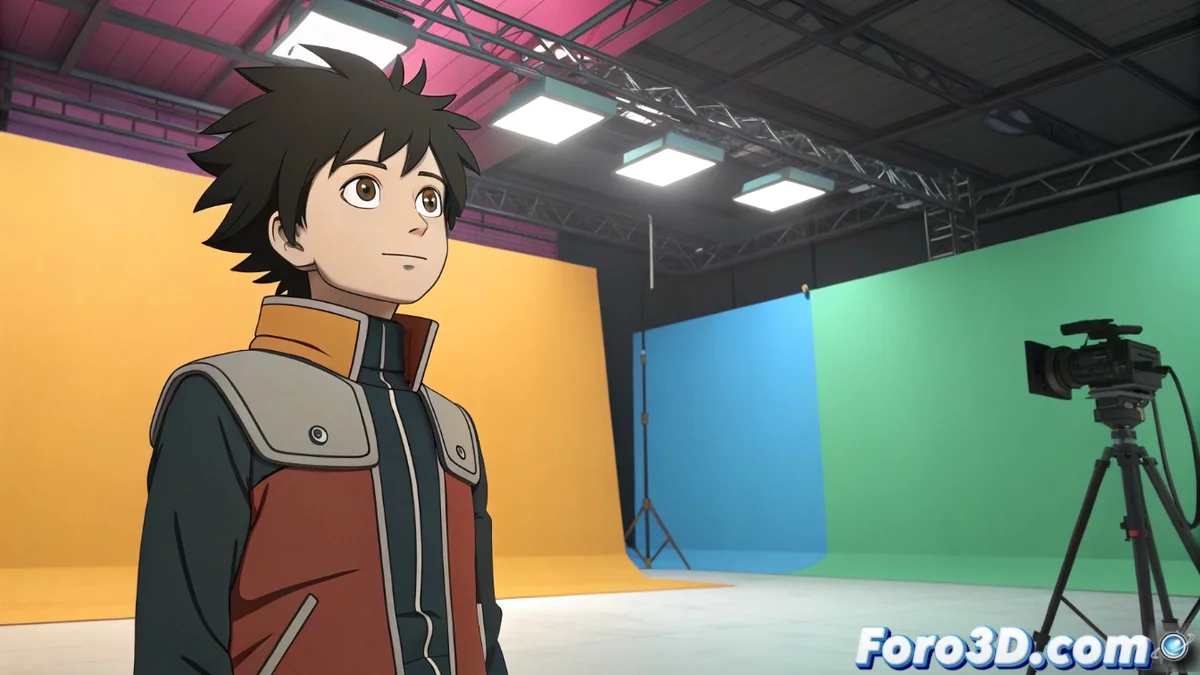
Art of Illusion and Toon Rendering via Plugins
In the landscape of open-source 3D software, Art of Illusion stands out as a modeling and rendering tool that, despite its discontinued development, maintains a loyal user base thanks to its modular architecture based on plugins. This flexibility allows incorporating advanced features like toon or cel-shading rendering, a technique that emulates the visual style of traditional animations and comics through flat shading with marked outlines 🎨.
Cel-Shading Effect Configuration
To implement the toon style in Art of Illusion, the process begins with downloading and installing the specialized plugin from official repositories or community forums. Once integrated, access the material options where a new toon shader category appears. This component allows adjusting multiple visual parameters:
Configurable Parameters:- Shadow Levels: Controls the number of differentiated tones between lit and dark areas
- Color Palette: Defines the specific tones for light and shadow zones
- Edge Thickness: Adjusts the thickness of the lines that outline silhouettes and internal details
The magic of cel-shading lies in its ability to transform complex 3D models into cartoon-style illustrations through controlled simplification of shading
Advantages and Practical Considerations
The main competitive advantage of Art of Illusion for toon projects lies in its free nature and absolute freedom of visual style customization, without depending on expensive commercial licenses. Cel-shading plugins generally feature intuitive interfaces and produce effective results for:
Ideal Applications:- Hybrid 2D/3D Animation: Combination of traditional techniques with three-dimensional elements
- Technical Illustrations: Clear and stylized representation of complex models
- Indie Projects: Productions with limited budgets that require a cartoon aesthetic
Limitations and Current Context
However, it is important to consider the technical limitations of the software, particularly in rendering speed and handling complex geometries compared to contemporary alternatives. The absence of updated official support can cause compatibility issues on modern operating systems, a situation that the community mitigates through collaborative solutions. Working with discontinued software is akin to maintaining a classic car: fascinating until you need parts that are no longer manufactured 🔧.