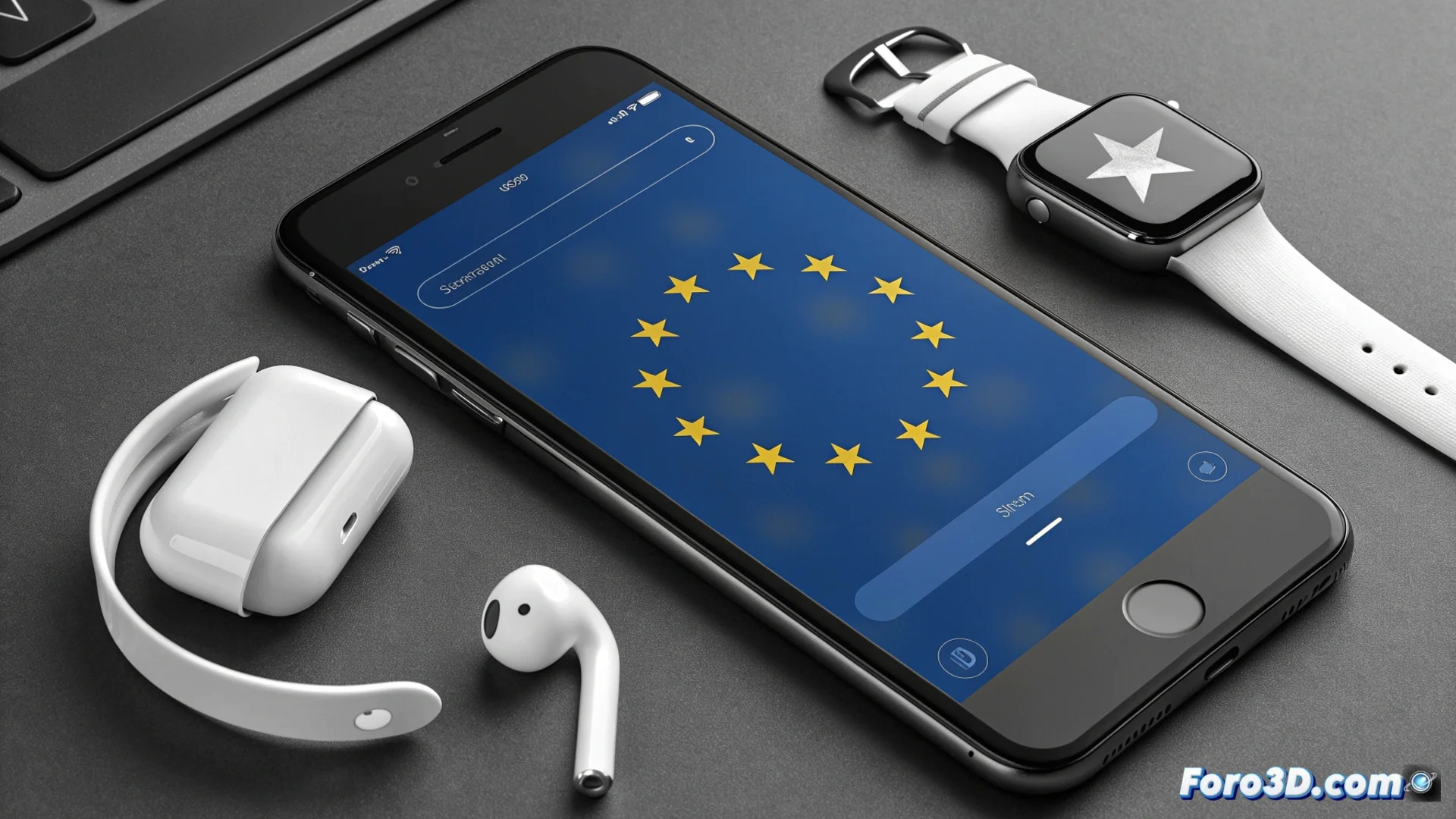
Apple Opens iOS to Pair Third-Party Hardware in the European Union
Apple has implemented a new capability in iOS 26.3 that makes it easier to connect devices manufactured by other companies. This technical modification arises directly to comply with the requirements of the Digital Markets Act (DMA) established by the European Union. The European Commission has already validated this adjustment, which applies only to users operating their devices within member countries. 🆕
The DMA Redefines Ecosystem Rules
European legislation classifies Apple as an access gatekeeper due to the scale of its platform, obliging it to enable greater interoperability. The introduced feature eliminates several technical barriers that previously complicated or limited stable connections with hardware from other companies. Now, users in the EU can pair their accessories through a process that seeks to emulate the fluidity of Apple's own ecosystem.
Key Changes in the User Experience:- Simplified pairing process for headphones, smartwatches, and other peripherals from different brands.
- The functionality is geolocated and only activates when the iPhone detects it is in a European Union country.
- Security protocols are maintained to ensure that external accessories do not compromise the system.
"Some users are already commenting on the possibility of using that ergonomic mouse or those leading noise-canceling headphones without realizing they are betraying the ecosystem."
Technical Scope and Defined Limitations
The opening focuses on standard connectivity protocols like Bluetooth, without implying that Apple releases comprehensive proprietary technologies. Elements like the U1 chip or the Find My network remain within the closed ecosystem. The company must ensure that third-party accessories operate securely without degrading performance or the end-user experience. This is a regulatory concession specific to the European market.
What the Feature Does NOT Do:- Does not fully open Apple-exclusive technologies like the U1 chip for spatial precision.
- Does not integrate third-party accessories into proprietary services like the Find My search network.
- Does not alter the operation or advantages of pairing Apple ecosystem products (like AirPods).
A Step Toward User Choice
This move, driven by a legal mandate, represents a significant change in Apple's integration philosophy. Although born from a regulatory requirement, it increases freedom of choice for the European consumer by allowing them to select hardware based on preferences or performance, rather than forced compatibility with an ecosystem. The evolution of how iPhones interact with the outside world has just taken a notable step. 🔓