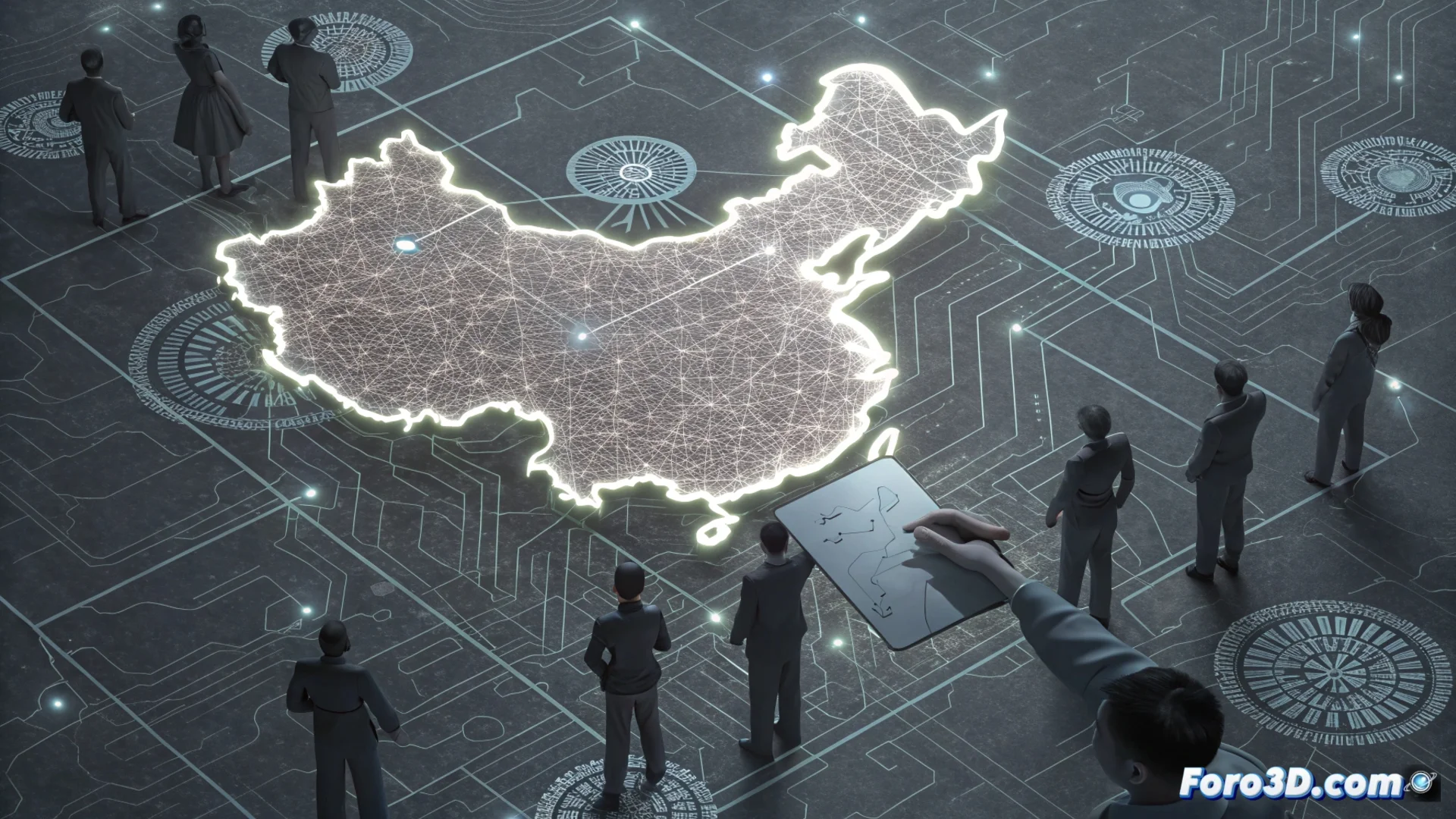
Apple Intelligence Adapts to Chinese Regulations to Operate
To launch its artificial intelligence features in China, Apple must undergo a comprehensive evaluation process. This scrutiny verifies that its systems comply with local law on matters considered sensitive. The company needs to ensure that its algorithms process user queries accurately and in accordance with the rules, covering areas where China legislates firmly. 🧑⚖️
The Challenge of Adjusting Generative Algorithms
Apple Intelligence models must handle requests involving sensitive topics with precision. The company has to train and modify its systems so that the generated results, whether text, images, or synthetic voice, comply with Chinese legal limits. The goal is to avoid producing any content that may violate established norms.
Key Areas of Technical Adaptation:- National Security: Algorithms must strictly filter and process information related to this domain.
- Social Stability: Generated responses cannot promote content that disrupts the perceived public order.
- Public Interests: AI must align with guidelines protecting the values and collective interests defined by law.
Artificial intelligence learns geopolitics: its responses now need a passport and visa to cross certain digital borders.
Navigating the Unique Regulatory Ecosystem
This requirement reflects China's particular environment for technology and information flow. All major technology firms, regardless of origin, operate under this framework. For Apple, integrating its AI successfully means mastering these rules effectively, which often involves collaborating with local partners and relevant authorities.
Components of the Compliance Process:- Collaboration with Local Partners: It is common to work with Chinese companies to understand and apply regulatory requirements.
- Dialogue with Authorities: Communication with regulators is a fundamental part of the product development cycle.
- Continuous Verification: Compliance is not a one-time event, but a central component maintained throughout the product lifecycle.
Implementation Depends on Overcoming Controls
Ultimately, Apple's ability to deploy these AI tools in the Chinese market depends directly on overcoming these filters. Technical adaptation and regulatory compliance are not optional, but the pillars that determine whether a product can reach users. This process underscores how global technology must be shaped to enter jurisdictions with specific and powerful legal frameworks. 🌐