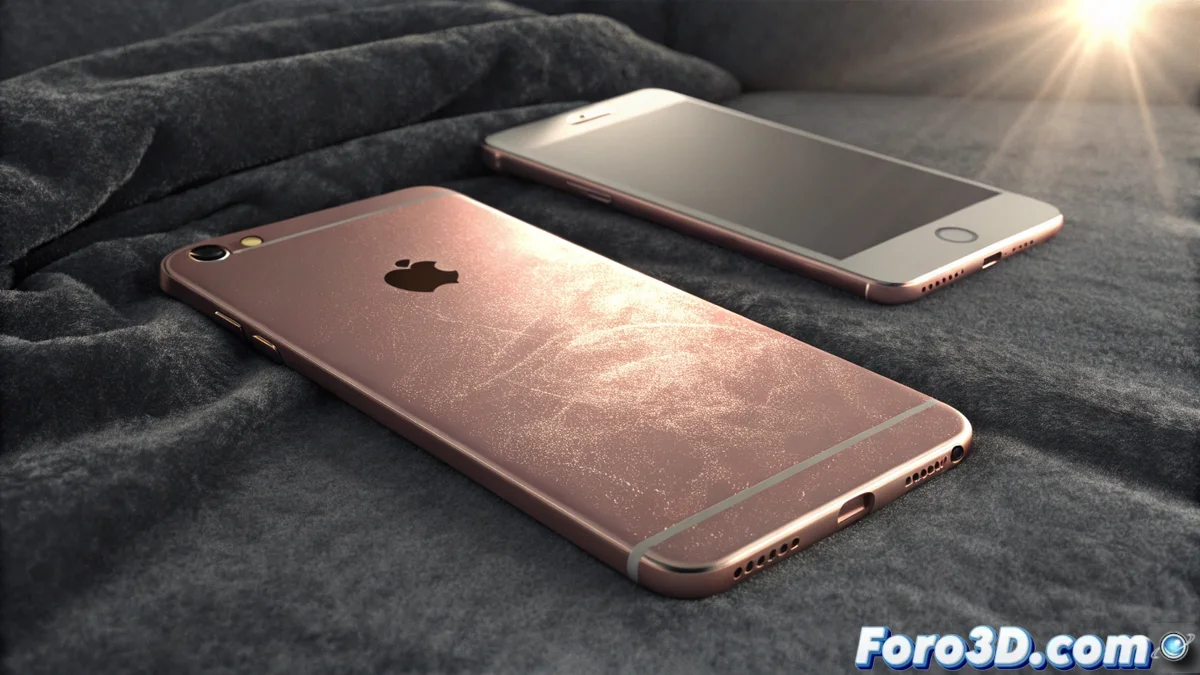
Apple Declares First iPhone SE and Other Historic Devices Obsolete
The apple company has made a significant update to its internal list of products considered obsolete. This classification, more than a mere note, represents the end point for official technical support and access to genuine spare parts. Among the devices now entering this historic registry are the iconic first-generation iPhone SE (2016), the initial 12.9-inch iPad Pro, and the fifth-generation 9.7-inch iPad. This move underscores Apple's predictable technological lifecycle, which typically exceeds seven years from its last commercialization. 📱➡️🗄️
The Practical Meaning of Obsolescence at Apple
When a product is labeled obsolete by Apple, a fundamental change is triggered in its support ecosystem. Authorized service centers (Apple Authorized Service Providers) lose the ability to request original parts directly from the manufacturer for repairs. It is crucial to understand that the device does not self-destruct; it can continue to function, but the window for certified maintenance closes completely. Owners are then relegated to independent workshops or the second-hand components market, assuming risks in the quality and compatibility of repairs. 🔧🚫
Immediate Consequences of the Declaration:- End of Official Repairs: Inability to obtain original spare parts through Apple's authorized channels.
- Dependence on the Gray Market: Users must resort to third-party providers for parts, which may be used, refurbished, or of inferior quality.
- Uncertainty in Longevity: The remaining lifespan of the device is left to chance and the availability of unofficial components.
Official obsolescence is not the end of functionality, but the beginning of a new stage of self-management and risk for old hardware.
Repercussions for Users and the Ecosystem
This decision fully impacts a community of users who valued these models for specific features. The original iPhone SE, for example, was celebrated for packing powerful performance into a compact and manageable format, a design philosophy that has been fading away. Its entry into the obsolete list accelerates its depreciation in the second-hand market and, paradoxically, may increase its value as a collectible item for enthusiasts. For Apple, it is a resource management strategy, redirecting support efforts toward more recent generations and encouraging the renewal of the device fleet. 💰🔄
Effects on the Technological Landscape:- Revaluation as Collectible: Devices like the iPhone SE can gain a new nostalgic status among enthusiasts.
- Pressure to Upgrade: Owners face the dilemma of risking unofficial repairs or investing in a new model.
- Release of Corporate Resources: Apple optimizes its support and logistics chain, focusing on products with greater current market share.
A Nostalgic Journey into the Technological Past
This announcement invites reflection on the speed of change. It is the moment to rescue that iPhone SE from a drawer and remember an era when a 4-inch screen was considered more than sufficient for browsing, working, and communicating. It represents a stark contrast to the current trend toward expansive screens, where zoom to read has become almost a necessity. Apple's obsolescence declaration is not only a technical notice but also a cultural marker that closes the chapter of a generation of devices that defined a transitional era in mobility. 📞✨