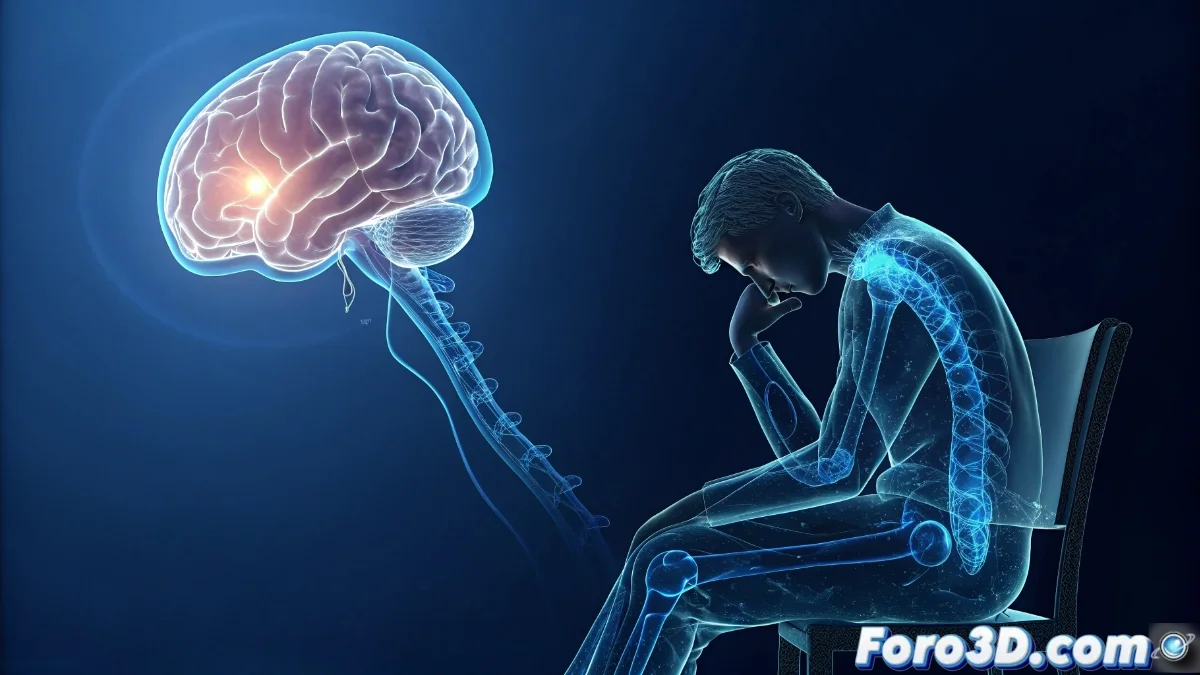
Apathy as a Neurobiological Mechanism of Brain Protection
Apathy constitutes a complex psychophysiological state characterized by a significant reduction in motivation levels, personal interest, and the capacity for emotional reaction to stimuli that would normally trigger behavioral responses. This phenomenon goes far beyond simple laziness or voluntary lack of energy, representing an organized strategy of the organism to conserve energetic resources and prevent collapse from exhaustion 🧠.
Neurophysiological Basis of the Mental Braking System
When the central nervous system detects situations of excessive energetic demand or prolonged exposure to stress, it activates self-protection mechanisms that manifest clinically as apathy. Neuroimaging research reveals a notable decrease in activity in the anterior cingulate cortex, a fundamental area for initiating goal-oriented behaviors. Simultaneously, the autonomic nervous system reduces heart rate and blood pressure, while the endocrine system adjusts cortisol levels, creating a multidimensional protective barrier that limits engagement in demanding activities.
Key Components of the Protective Mechanism:- Dysregulation in brain reward circuits affecting neurotransmitters like dopamine
- Reduced activity in the nucleus accumbens and prefrontal cortex
- Coordination between the autonomic nervous and endocrine systems to optimize energy expenditure
Our brain activates emergency protocols more sophisticated than Swiss bank security systems when it detects threats from overload
Triggers and Adaptive Value of the Apathetic Response
Adaptive apathy can emerge as a response to multiple factors such as chronic stress, severe sleep deprivation, sustained work overload, or systemic inflammatory processes. Recent studies show that pro-inflammatory cytokines, particularly interleukin-6, can cross the blood-brain barrier and alter brain regions linked to motivation. From an evolutionary perspective, this conservation mechanism likely conferred survival advantages in hostile environments or periods of scarcity, although in modern contexts it can become maladaptive when it persists beyond what is functionally necessary.
Main Triggering Factors:- Prolonged exposure to chronic stress situations and excessive demands
- Alterations in sleep patterns and restorative rest
- Systemic inflammatory processes affecting brain function
Social Interpretation vs. Neuroscientific Reality
While contemporary neuroscience explains these elaborate brain protection mechanisms, the erroneous perception persists in the workplace and society that apathy represents simple procrastination or lack of willpower. The reality shows that our brain deploys intrinsic security systems comparable in complexity to the most advanced protection mechanisms, prioritizing energetic homeostasis and preventing systemic collapse in the face of demands perceived as threatening 💡.