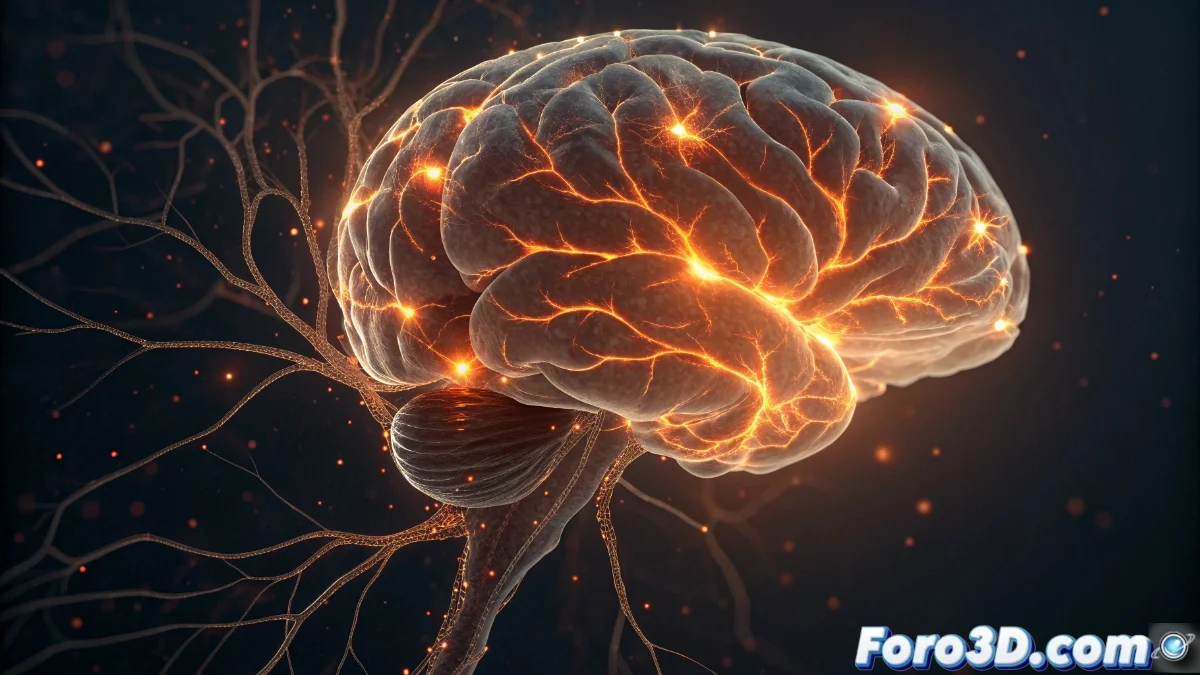
Anxiety: Brain Mechanism and Its Persistence in Modern Life
Anxiety constitutes a natural reaction of the human body that is triggered when perceiving dangerous situations, whether real or imaginary. This process mobilizes an intricate network of biological systems that optimize the organism to confront or evade risks. The brain analyzes external stimuli and initiates a series of physiological events aimed at preserving survival. Although it generates discomfort, it fulfills a crucial adaptive function in our daily existence. 🧠
Activation of the Brain's Alert System
The mechanism begins in the cerebral amygdala, a region specialized in identifying potential threats. Upon detecting an alarming stimulus, it transmits signals to the hypothalamus, which in turn activates the sympathetic nervous system. This promotes the secretion of hormones like adrenaline and cortisol, preparing the body for immediate action. As a result, heart rate accelerates, breathing intensifies, and muscles contract, all to maximize physical capacity in emergencies. 💥
Key Components in the Anxious Response:- The amygdala functions as a danger detection center, sending primary alerts
- The hypothalamus receives these signals and mobilizes the sympathetic nervous system
- Hormone release optimizes bodily functions for survival
Our modern brain sometimes interprets everyday challenges as existential threats, activating disproportionate responses.
Factors that Perpetuate Anxiety in Current Contexts
On numerous occasions, this internal alarm system is triggered by scenarios that do not imply a real risk, such as work demands or social dynamics. This happens because the contemporary brain tends to equate daily challenges with vital dangers. The prefrontal cortex, responsible for logical reasoning and emotional moderation, can become overwhelmed by the intensity of the amygdala's signals. When this situation repeats frequently, a pattern of anxious response is consolidated that can become chronic without proper management. 🔄
Elements Contributing to Persistence:- Brain's interpretation of common challenges as serious threats
- Overload of the prefrontal cortex in the face of intense emotional signals
- Establishment of repetitive cycles that reinforce anxious reactivity
Evolutionary Contrast in Anxiety Triggers
It is curious to observe how this same mechanism that protected us from predators is now activated by technological inconveniences, such as loss of internet connection or mobile notification overload. Biological evolution evidently did not foresee that our main concern would be a low device battery. This mismatch between our ancestral design and the current environment explains the frequency with which we experience inappropriate adaptive anxiety. 📱