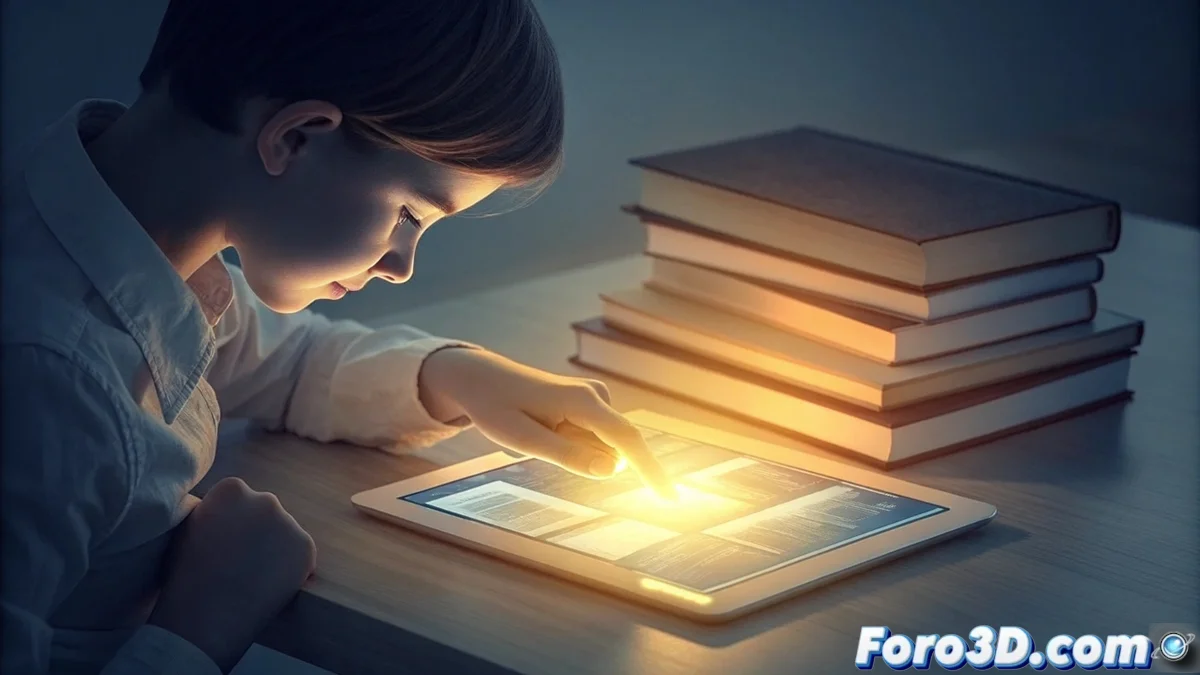
Digital Textbooks with Annual Licenses: A Business Model
The educational sector is evolving towards digital, but a particular model generates controversy: textbooks under annual license. Academic publishers do not sell a product, but a temporary use permission that expires. This system redefines what it means to own an educational resource. 📚⏳
Temporary Access vs. Permanent Ownership
Under this model, the student pays to access the digital content during an academic year, typically twelve months. When the license expires, the file stops working. There is no option to keep the notes for future reference, nor to transfer access to another student. Each new course requires a new purchase, establishing a mandatory cyclical expense.
Key features of the annual license system:- The digital file is not permanently owned by the user.
- Access is managed through online platforms or specific apps.
- The publisher can withdraw the title, making the content immediately inaccessible.
Thus, you pay every year for the privilege of forgetting what you learned the previous year.
Contrast with the Traditional Physical Book
A paper book is purchased once. The student can use it for years, highlight it, lend it, or sell it in the second-hand market. This physical object grants total autonomy. The digital book with an annual license, on the other hand, imposes restrictions. It cannot be annotated permanently outside the platform, nor shared, creating continuous dependence on the provider. 📖➡️💻
Fundamental differences:- Ownership: The physical one is owned; the licensed digital one is rented for a period of time.
- Long-term use: The physical one allows review years later; the digital one does not.
- Secondary market: The physical one can be resold; the digital license is not transferable.
The Educational and Economic Debate
This model divides opinions. Supporters highlight that it facilitates quick content updates and the integration of interactive multimedia resources. Critics argue that it increases the total cost of education and limits how the student uses the material they fund. The inability to build a personal reference library worries many. Some institutions negotiate global agreements, but this does not always solve the underlying problem: the lack of real ownership over learning resources. The debate remains open between digital innovation and consumer rights. ⚖️