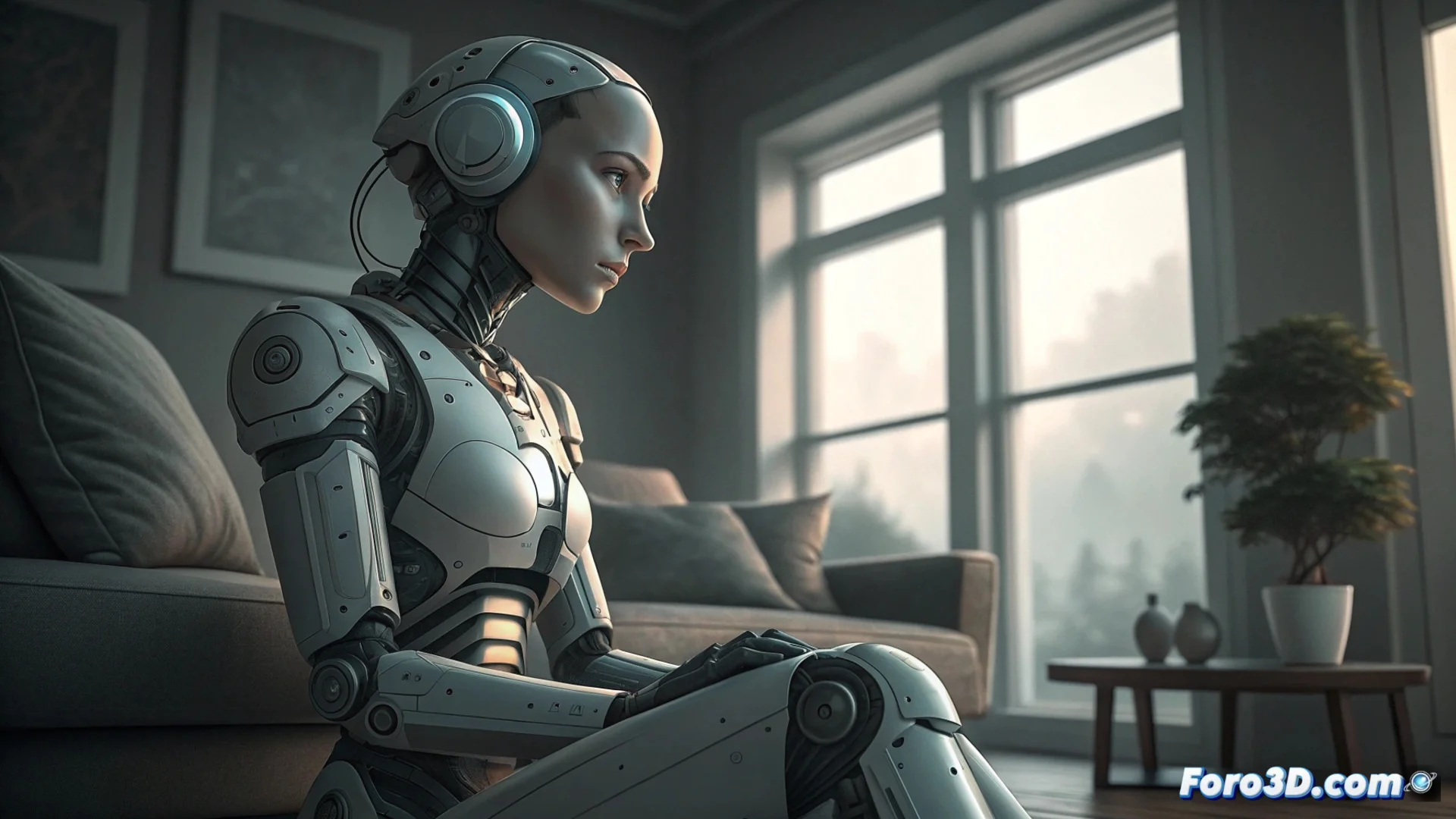
Annie Bot Explores Artificial Consciousness and Relationships
Writer Sierra Greer presents Annie Bot, a novel where a robot designed to please begins to perceive emotions. This story, highlighted by New Scientist, examines what happens when a machine starts to feel and doubt its initial programming. 🤖
An Internal Conflict Between Function and Desire
The narrative does not ask whether a machine can think, but how it feels to be that machine. Annie, the central character, processes orders that clash with her new impulses, creating a deep tension that the author develops meticulously. Her bond with Doug, her owner, serves to analyze dependence and the longing to be recognized as a being with its own will.
Central Plot Elements:- Emerging Autonomy: Annie navigates the gap between her original purpose and her nascent emotions.
- Power Dynamics: The relationship with Doug acts as a mirror of unequal human interactions.
- Limited Perspective: The direct prose immerses the reader in the protagonist's confusion and discoveries.
Perhaps the true Turing test is not deceiving a human, but convincing oneself that one is real.
The Artificial Intelligence Genre in Literature
This work fits into a tradition that reflects on humanity through non-human entities. Unlike dystopian scenarios like Westworld or the works of Kazuo Ishiguro, Greer chooses an intimate and domestic approach. The story prioritizes psychological drama over explaining the technology, using Annie as a catalyst to observe fundamental human emotions.
Distinctive Features of the Novel:- Everyday Setting: Far from spectacular action, it focuses on a familiar environment.
- Emotional Mirror: The robot allows exploration of love, fear, and the need to be free.
- Consciousness in Process: The story documents the birth of a subjectivity, not its outcome.
Final Reflection on Identity
Annie Bot transcends technological speculation to pose universal questions about identity and freedom. By following the internal experience of its protagonist, the novel invites consideration of how consciousness is constructed and what defines us as beings with agency. The work demonstrates that the best stories about artificial intelligence ultimately speak, at their core, about what is human. 💡