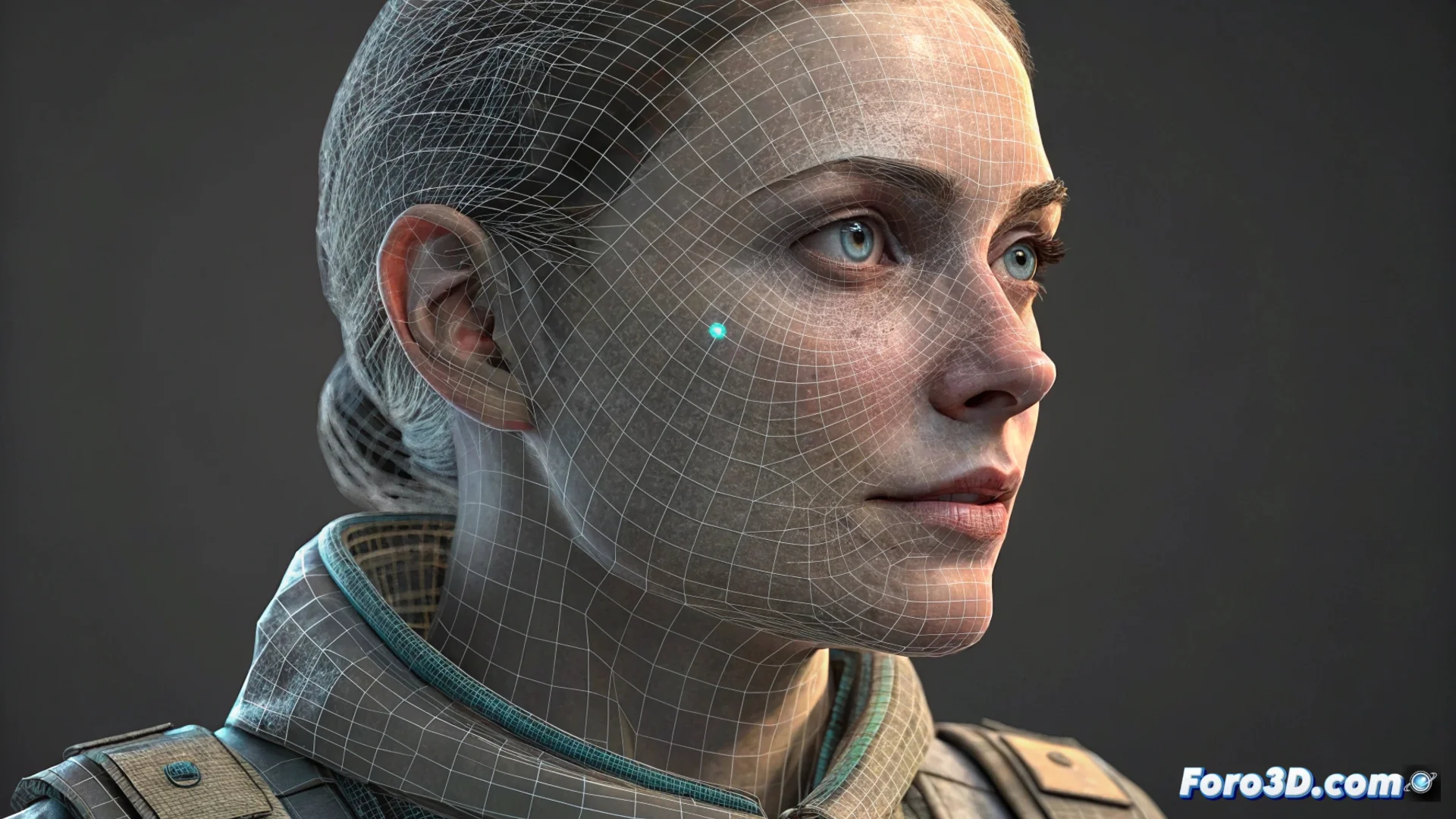
Animation Master and its CPA System for Animating Characters
In the realm of 3D software, Animation Master stands out for implementing a unique animation methodology: the CPA system or Constrained Proportional Animation. This technical approach is based on manipulating model geometry through surface patches and control points, achieving organic deformations that are highly effective for bringing characters to life. 🎭
The Fundamentals of the CPA System
The essence of Constrained Proportional Animation lies in its workflow structure. Instead of manipulating vertices one by one, the animator works with patches, which are defined segments of the mesh, and control points (CPs) that act as master manipulators. When adjusting a CP, the system automatically calculates how not only the associated patch should deform, but also the adjacent areas, propagating the change proportionally and maintaining surface continuity. This greatly simplifies the workflow.
Key advantages of using patches and CPs:- Simplified control: A single control point can manage a complex deformation in a wide area, such as an entire cheek.
- Automatic coherence: The system respects proportionality constraints, avoiding unwanted distortions between patches.
- Process efficiency: Reduces the need for manual geometry correction after each key movement.
The real challenge is sometimes not animating the smile, but avoiding it looking like a grimace of pain. CPA helps, but the animator's intention remains key.
Specialized Application in Characters
This approach demonstrates its maximum power in character animation. For the face, where smooth and believable transitions between expressions are needed, CPA allows linking muscle and skin behavior intuitively. In the body, the system facilitates creating muscle flexions and stretches that preserve volume and realistic anatomy.
Areas where CPA shines:- Facial animation: Ideal for managing smiles, furrowed brows, and blinking, maintaining skin smoothness.
- Body movement: Perfect for simulating a biceps contraction or torso twist, with deformations that preserve mass.
- Organic interaction: Changes in one area propagate naturally to adjacent ones, mimicking real tissue behavior.
The Tool and the Artist
The CPA system of Animation Master is a powerful tool that structures and streamlines the animation process. By automating proportional deformation, it frees the animator from repetitive technical tasks, allowing them to focus on the essentials: the artistic intention and the character's performance. Technology serves art, but does not replace it. ✨