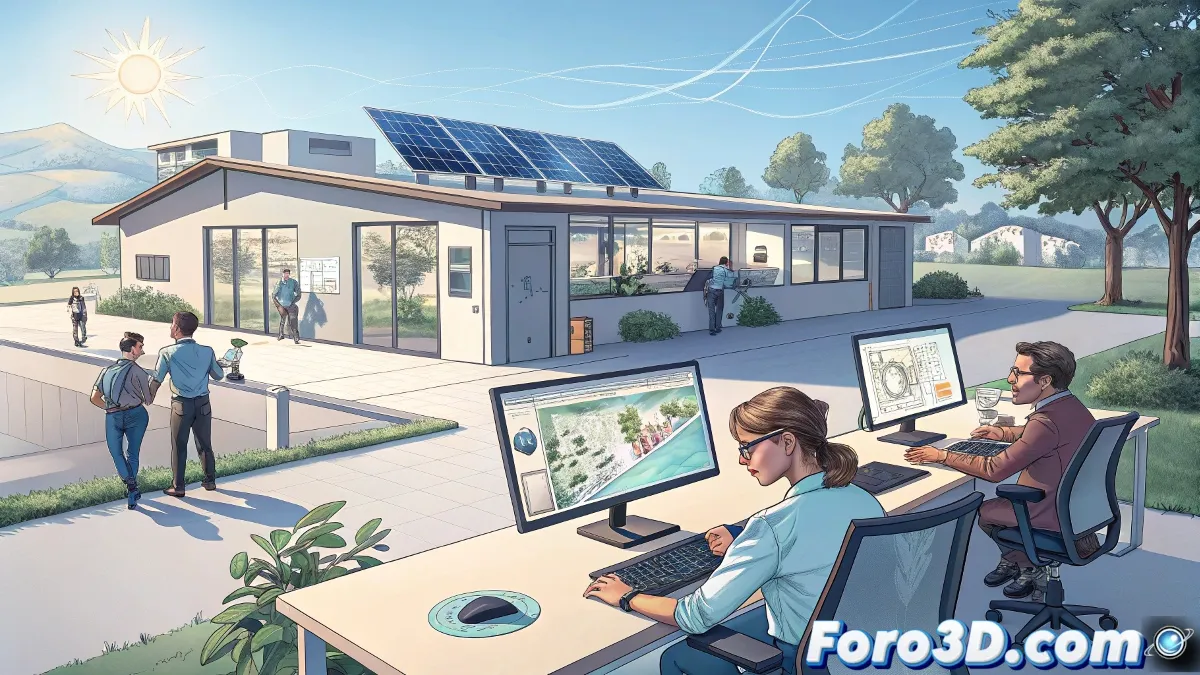
Animation in the Era of Responsible Production
The animation industry faces a crucial challenge in the current context: balancing creativity with environmental responsibility. As ecological awareness grows, studios are reevaluating their processes to reduce environmental impact without compromising artistic quality. This transition towards more sustainable practices is transforming both the production and the message of animated works.
Green Strategies in Animation Studios
Major studios are implementing various measures to minimize their ecological footprint:
- Energy Infrastructure: Migration to renewable sources and optimization of electricity consumption
- Digital Workflows: Reduction of physical materials and paper through fully digital pipelines
- Efficient Hardware: Upgrading to lower energy consumption equipment
"Sustainability in animation is not a trend, it's the next step in the evolution of our industry"
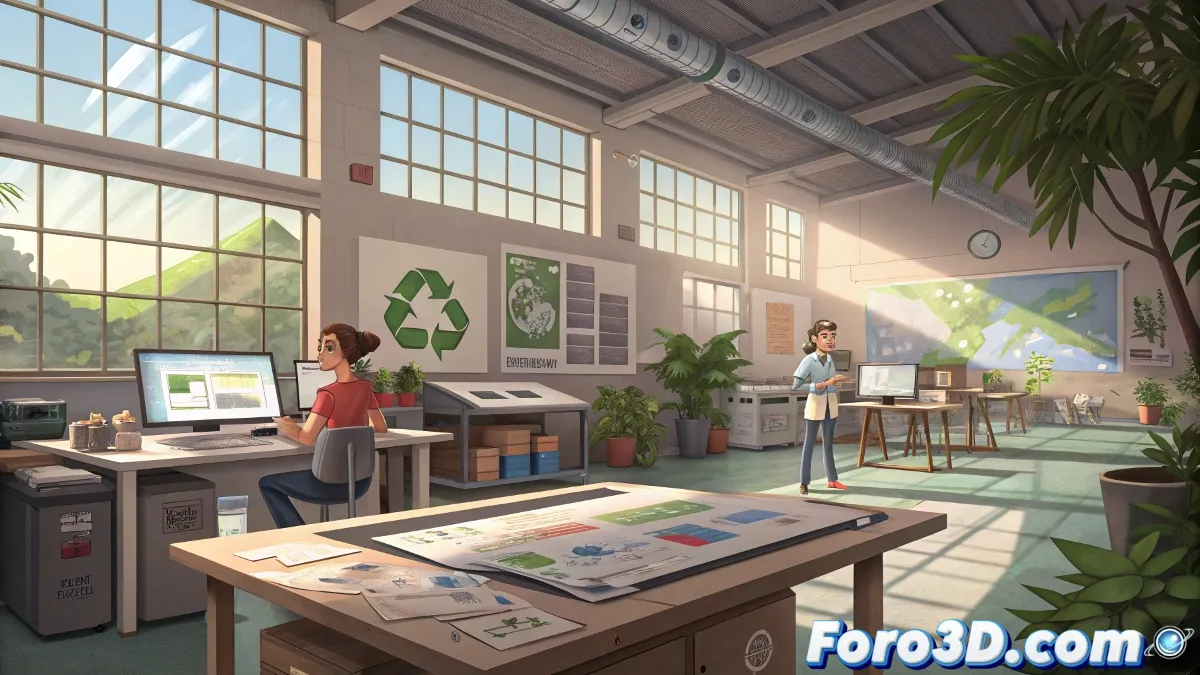
Sustainable Technological Innovations
The sector is developing specific technical solutions to reduce environmental impact:
- More efficient rendering algorithms that decrease processing time
- Collaborative cloud platforms that eliminate the need for travel
- Improved cooling systems for render farms
The Educational Power of Ecological Animation
Beyond internal practices, animation has a unique role as a medium to communicate environmental values. Recent projects demonstrate how the format can make complex concepts about sustainability and climate change accessible. This dual function - as an industry that transforms itself and as a storyteller of ecological narratives - positions animation as a key player in the transition towards a greener future.
The path towards completely sustainable production still presents challenges, but technological advances and the growing commitment of studios suggest a promising future. What began as isolated measures is becoming a sector-wide movement that could redefine production standards in the coming years.