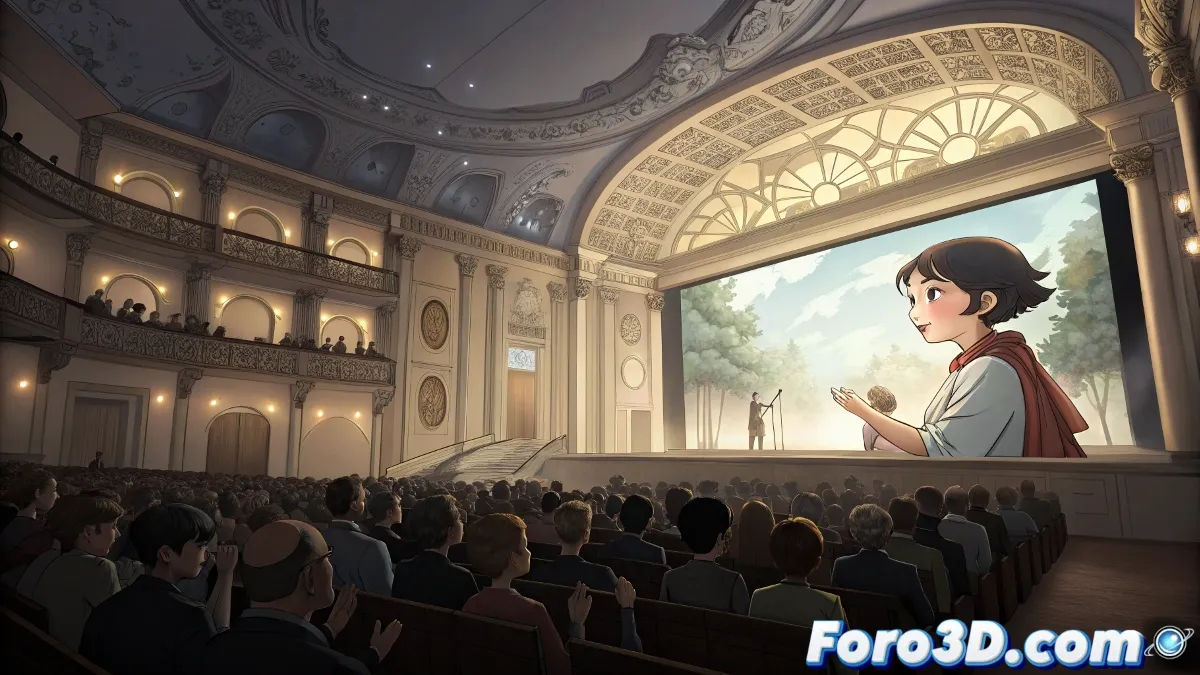
Animation as Cinematic Art
The recognition of animation as a mature art form has reached its peak in the last decade. What was once considered a medium exclusive to children's entertainment is now valued as a complete cinematic language. International festivals and auteur film circuits have opened their doors to animated works that explore universal themes with depth and sensitivity.
Changes in Critical Perception
Three key factors have contributed to this transformation in the valuation of animated film:
- Adult Narratives: Stories that address complex existential and social conflicts
- Technical Innovation: Visual styles that expand expressive possibilities
- Recognizable Authorship: Artistic signatures as distinctive as those in traditional cinema
"Animation is no longer what you see, but how you feel what you see. It has transcended its technique to become visual poetry"
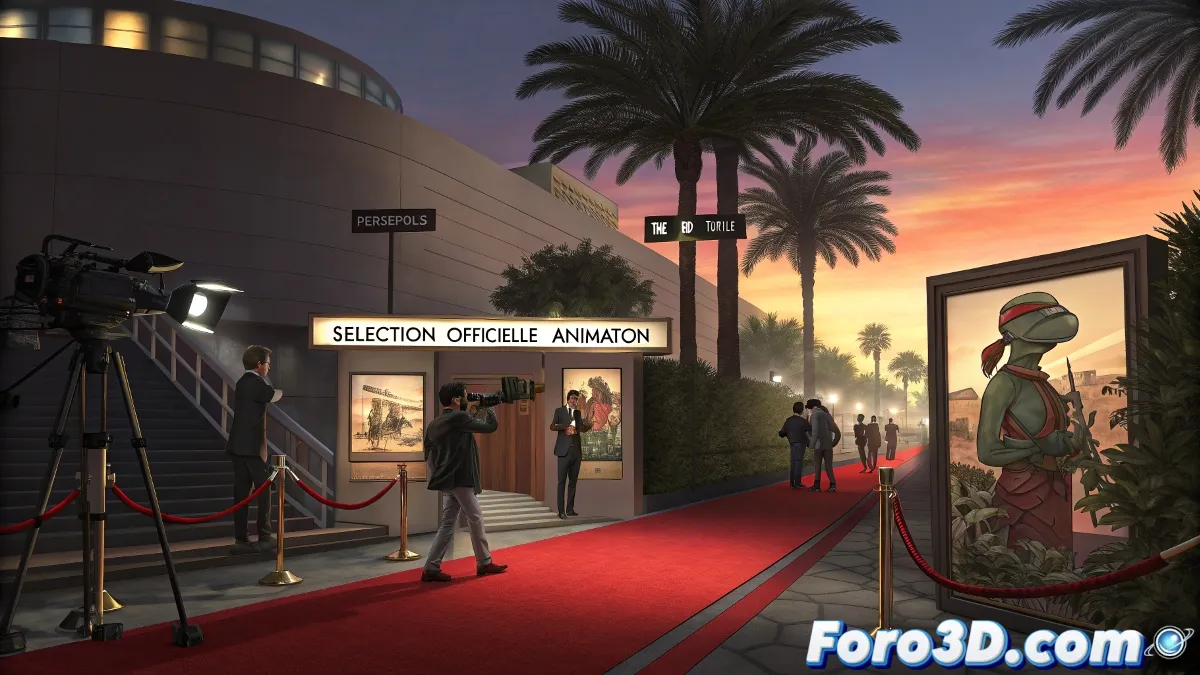
Impact on the Cinematic Ecosystem
This evolution has generated important consequences for the industry:
- New funding avenues for risky projects
- Distribution in circuits traditionally reserved for live-action
- Academic recognition as an autonomous artistic discipline
The Future of Auteur Animation
The path traveled points to a hopeful panorama where the animated technique is valued for its unique capacity to transmit emotions and concepts. The coming years will likely see greater integration between formats, where the borders between animation and traditional cinema become even more blurred. The essential, however, remains: animation as a medium to tell universal stories with a distinctive visual voice.
This process of artistic legitimization only confirms what many creators always knew: that animation is perhaps the purest form of cinema, where everything - from movement to emotion - must be created with intention and mastery.