The Ancient Birds of the Arctic and Their Incredible Story
A research team led by Lauren Wilson has discovered that some birds were already nesting beyond the Arctic Circle an impressive seventy-three million years ago. This finding, made from small bone fragments in the Prince Creek Formation in northern Alaska, has left the scientific community astonished. Who would have thought that raising chicks in a place with endless nights and polar cold would be a good idea? 🌌
A Glimpse of the Arctic in the Cretaceous
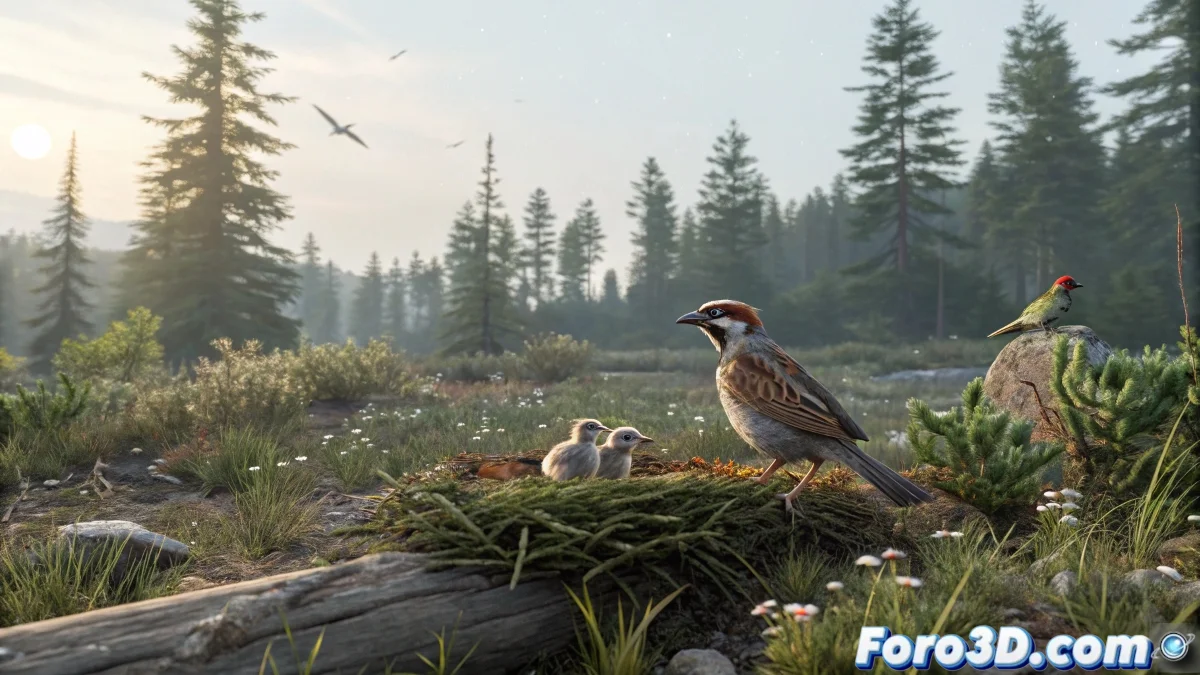
During the age of dinosaurs, the location of today's research camps was a thousand kilometers closer to the North Pole. However, far from being a frozen desert, the landscape was full of rivers, floodplains, and dense vegetation that offered food and shelter. Even so, the birds of that time already demonstrated a remarkable capacity for adaptation, facing the polar night and sub-zero temperatures. What resilience these ancient birds had! 🦅
Digging at Thirty Degrees Below Zero
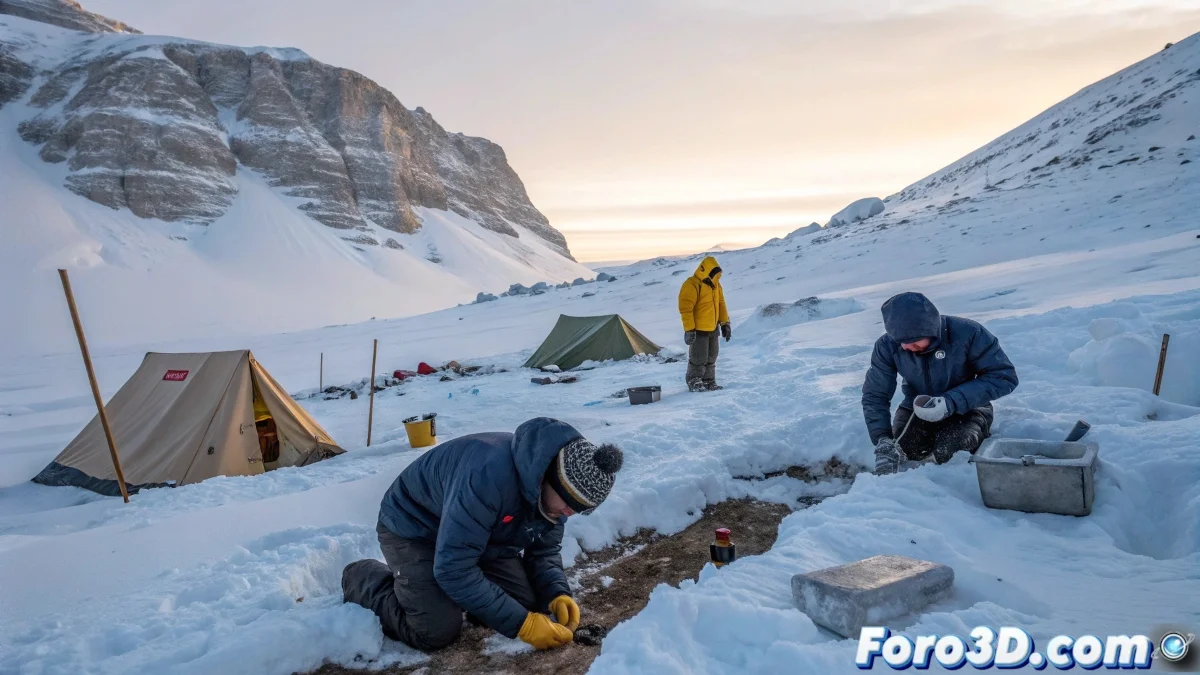
The excavation mission was carried out in the middle of winter, with thermometers reading thirty degrees below zero. The camp, set up with nails and a good dose of optimism, was the team's temporary home as they sifted through each layer of sediment in search of tiny bones. Lauren Wilson described the experience as looking for needles in a frozen haystack. But each small find was worth it, adding another piece to the evolutionary puzzle.
Technology and Paleontology
Back in the laboratory, the researchers used micro-CT scanning technology to clean and analyze the bone remains. With tools like Blender, ZBrush, and Autodesk Maya, they recreated virtual skeletons that revealed fascinating details about the anatomy of these birds. On forums like foro3d.com, digital art enthusiasts share tips on texturing and Python scripts for cleaning meshes, showing how paleontology and digital art go hand in hand today. 💻
What the 3D Models Tell Us
By recreating the anatomy in three dimensions, the team observed muscle insertion marks indicating prolonged flights and legs adapted for digging shallow nests. These clues suggest that the birds didn't just pass through the Arctic during the summer, but stayed to incubate their eggs. The idea of a permanent polar refuge makes sense, forcing paleontology textbooks to be rewritten.
While scientists celebrate this discovery, someone on the team remembers that those birds managed to colonize the Arctic millions of years before humans invented the down jacket... and without the need for low-cost flights. What an evolutionary advantage! 😂