Ghost World Analysis: Daniel Clowes' Visual Style and Narrative
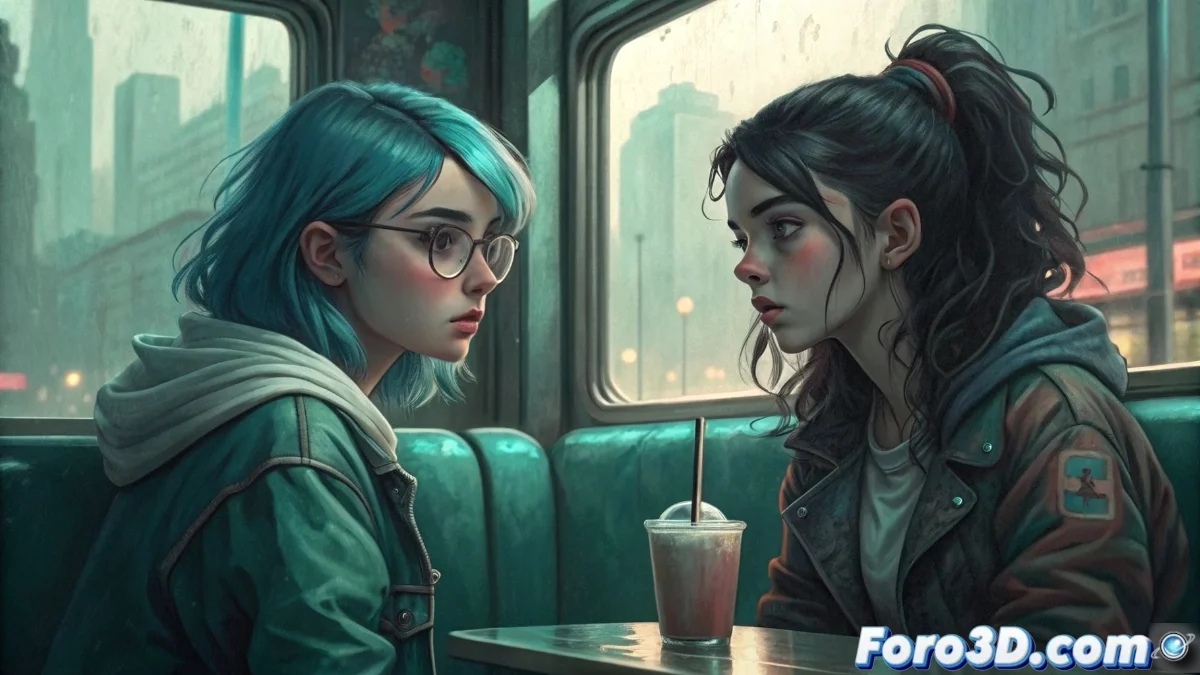
The comic Ghost World by Daniel Clowes stands out for its distinctive artistic approach that fuses a sharp and expressive line with a restricted color palette, where green and blue nuances dominate to evoke a melancholic and reflective atmosphere. 🎨
Characteristics of the Visual Style
Clowes employs detailed drawing in the characters' figures, contrasting with minimalist backgrounds that accentuate the feeling of emotional disconnection. This visual choice reinforces the theme of youthful alienation, while the narrative shifts between conventional panels and graphic pauses that communicate the protagonists' existential discomfort.
Key Elements of the Art:- Clean and expressive lines that capture the characters' emotions
- Strategic use of limited colors to emphasize moods
- Contrast between simple backgrounds and intricately drawn characters
The comic captures that phase where you think you've figured out the world, but you still don't know how to buckle life properly.
Synopsis and Character Development
The story follows Enid Coleslaw and Rebecca Doppelmeyer, two recent high school graduates who spend the summer after graduation wandering around their city. Through sarcastic dialogues and cynical observations, they criticize popular culture and those around them, while facing the uncertainty of their future. The relationship between them becomes strained when Enid considers moving to college, exploring deep themes such as friendship, identity, and the transition to adulthood. 💬
Main Narrative Aspects:- Structure through self-contained panels that form a coherent emotional arc
- Use of biting humor to mask the characters' vulnerability
- Examination of nostalgia as a refuge and the difficulties of connection in a world perceived as artificial
Thematic Exploration and Secondary Characters
Interactions with figures like the lonely Seymour serve to contrast teenage rebellion with adult resignation, creating a raw but compassionate portrait of contemporary youth. Clowes addresses nostalgia as an escape and the complexity of forging genuine bonds in an environment that seems superficial, using a narrative style that combines moments of graphic silence with a dynamic visual flow.