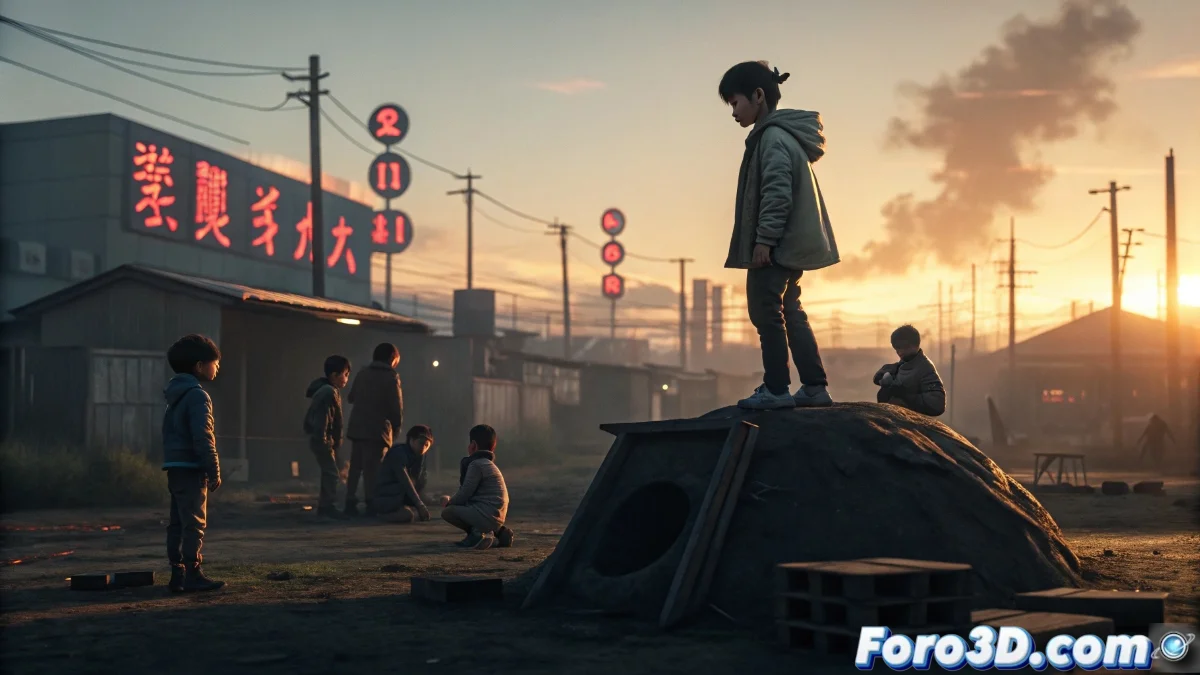
Analysis of 20th Century Boys: Naoki Urasawa's Apocalyptic Thriller
The masterpiece of Naoki Urasawa stands as one of the most ambitious mystery thrillers in the ninth art, unfolding a narrative that spans more than four decades of history. From innocent childhood games in the sixties to catastrophic threats in the 21st century, every element intertwines masterfully to build a unique literary puzzle 🕵️♂️.
Narrative Architecture and Temporality
Urasawa weaves a complex temporal structure where past and present merge through strategic flashbacks that reveal crucial information progressively. The story begins with Kenji Endo and his group of childhood friends, who must confront the enigmatic organization known as Friends, led by a mysterious figure who seems to know all their childhood secrets.
Key Narrative Elements:- Constant intertwining between childhood memories and present catastrophic events
- Gradual revelations that transform childhood games into apocalyptic prophecies
- Temporal duality that contrasts the innocence of the past with the darkness of the future
The childhood games that seemed like simple diversions end up determining the fate of humanity, demonstrating that those apparently trivial moments contained seeds of global events.
Artistic Expression and Visual Evolution
Urasawa's graphic style is characterized by its expressive realism and ability to convey complex emotions through linework. His mastery of character aging is remarkable, showing credible physical and emotional transformations over the decades. Page compositions employ cinematic angles and dynamic sequences that maintain an intense narrative rhythm.
Main Artistic Features:- Realistic linework that perfectly captures emotions and dramatic tensions
- Masterful handling of chiaroscuro to create oppressive or nostalgic atmospheres
- Visual contrast between the luminosity of flashbacks and the darkness of the present
Psychological Depth and Character Development
The characters of 20th Century Boys undergo profound transformations while facing complex moral dilemmas. Kenji Endo evolves from an ordinary man dragged by extraordinary circumstances to a crucial figure in the resistance against the global threat. The antagonists have well-founded psychological motivations that make them credible and terrifying, avoiding simplistic Manichaean simplifications.
The work demonstrates how seemingly insignificant decisions from childhood can have global consequences, establishing parallels between lost innocence and adult responsibility. This narrative reflects the fragility of memory and how the secrets of the past always find a way to manifest in the present 🌍.