An Israeli Hospital Achieves a Breakthrough in Regenerative Medicine with 3D Bioprinting
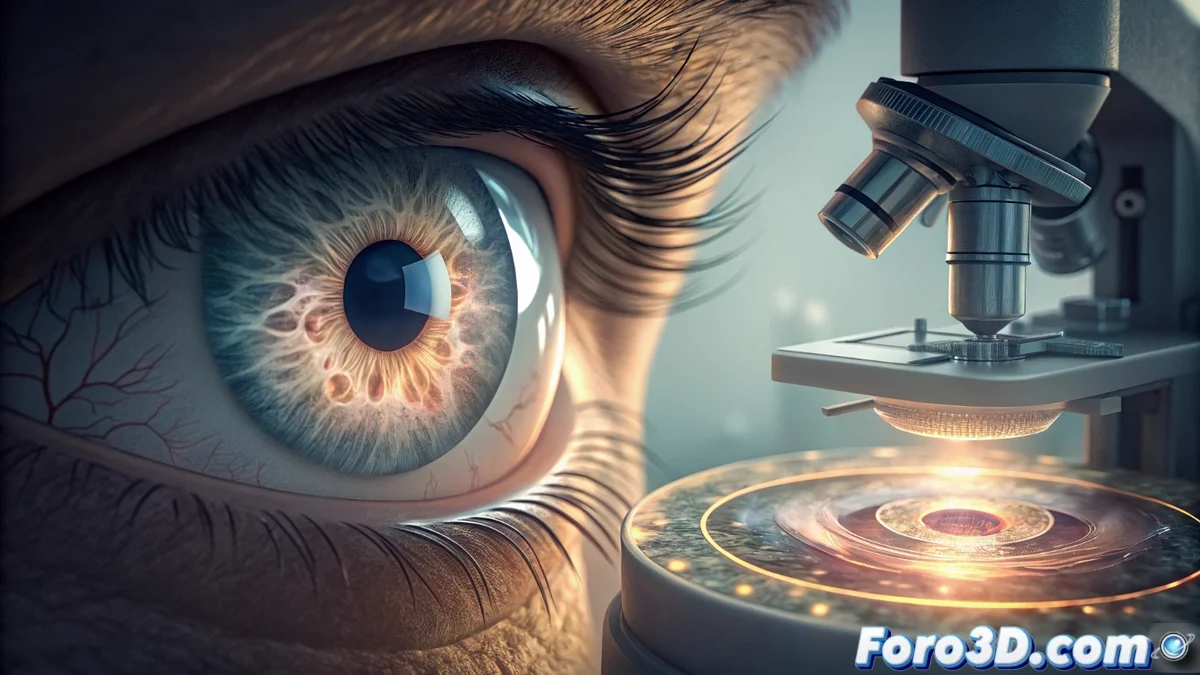
Regenerative medicine takes a transcendental leap thanks to 3D bioprinting. An Israeli medical center has managed to restore vision to a person who was blind in one eye. They achieved this by implanting a cornea manufactured with a specialized 3D printer that uses biological ink derived from human tissue. This case demonstrates the potential to generate complex and fully functional anatomical structures. 👁️
The Technique That Multiplies the Potential of a Donation
This innovative procedure can radically change how organs for transplantation are obtained. While a traditional cornea transplant helps one person, the 3D bioprinting method allows expanding the initial material from a single donor. Scientists can thus generate hundreds of custom implants, adapted to the specific anatomy of each recipient's eye. This addresses two critical problems: the global shortage of tissues and the long waiting times suffered by patients.
Key Advantages of the Bioprinted Implant:- Anatomical Customization: The cornea is designed and manufactured to fit the patient's eye precisely, which can optimize visual outcomes.
- Resource Amplification: A single corneal tissue donation serves to create multiple implants, maximizing a scarce resource.
- Reduction of Waiting Lists: By being able to produce more corneas, access to treatment is accelerated for those who need it.
3D bioprinting transcends rapid prototyping and establishes itself as a tool to save lives and restore bodily functions.
A Success That Demands Debate on Global Access
The technical achievement immediately raises urgent ethical and logistical questions. Advanced regenerative medicine often involves high costs and significant technical complexity. There is a real risk that these revolutionary treatments will only be available in countries or health systems with substantial resources. The global medical community must organize how to ensure fair distribution.
Challenges for Equitable Implementation:- Cost and Complexity: Developing and maintaining tissue bioprinting technology requires considerable investment.
- Required Infrastructure: Not all hospital centers have the capacity to implement these procedures.
- Regulatory Framework: Clear ethical and logistical protocols are needed at the international level to guide their use.
The Future Beyond Objects
This breakthrough underscores that 3D printing has surpassed the phase of creating simple objects or figures. Its application in the biofabrication of human tissues marks a before and after, demonstrating its potential to solve some of the most persistent challenges in modern medicine. The ultimate goal must be that innovations like this benefit patients anywhere in the world, without their location or resources determining their access to a second chance to see. 🌍