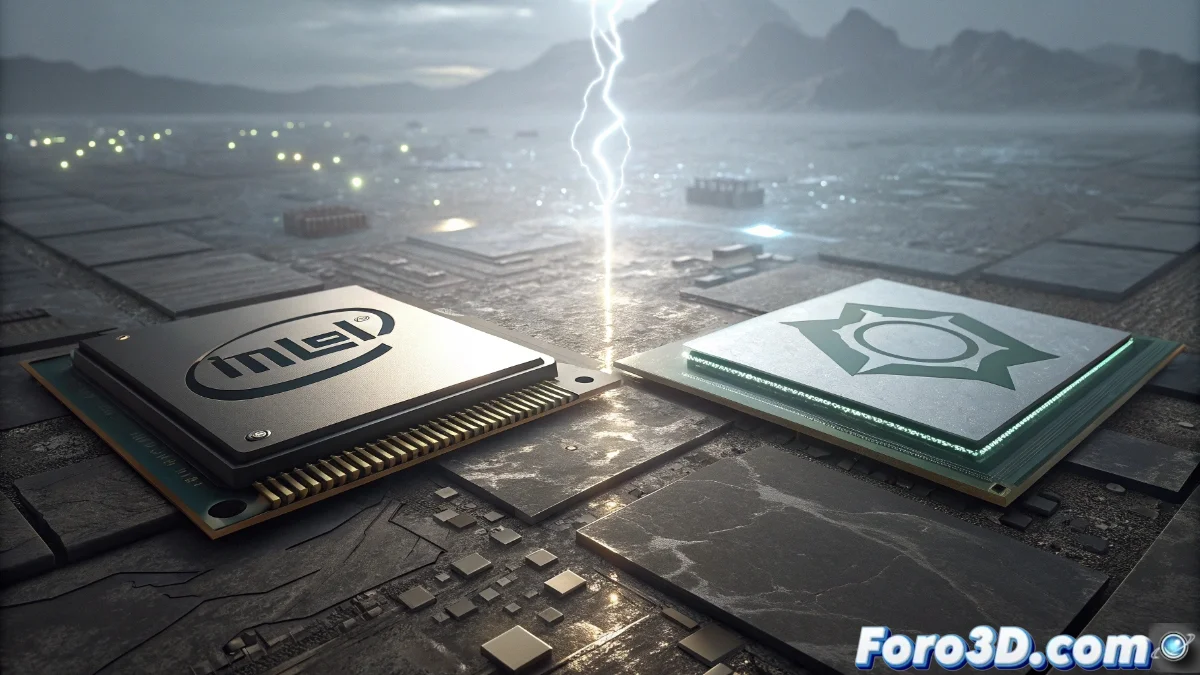
AMD Warns About Strategic Alliance Between Intel and Nvidia in Semiconductor Market
In its most recent quarterly financial report, Advanced Micro Devices has highlighted how the technological collaboration established between Intel Corporation and Nvidia Corporation represents a transformative element that could radically reshape the competitive landscape in the central processor and graphics processing unit sector. 🚨
Reshaping the Global Competitive Balance
The Santa Clara-based company has stated that this strategic partnership between two of the sector's most relevant players has the potential to significantly alter established market dynamics, generating additional pressures on pricing structures and potentially impacting the profit margins of all companies participating in this technological ecosystem.
Areas of Immediate Impact Identified by AMD:- Competitive pressure in high-end processor and professional workstation segments
- Possible erosion of market share in the gaming graphics card segment
- Need for accelerated reinvestment in technological research and development
When two semiconductor titans join forces, the third player must remember that in the chip war there are no permanent alliances, only permanent strategic interests.
AMD's Strategic Response to the New Scenario
Faced with this landscape of intensified competition, AMD has emphasized the imperative need to implement a set of defensive and offensive measures that combine an acceleration in technological innovation cycles with more aggressive commercial policies. The company recognizes that maintaining its current market position will require not only matching the technical capabilities of its rivals but consistently surpassing them through differentiated developments that highlight the unique value of its Ryzen, EPYC, and Radeon architectures. 💡
Central Pillars of AMD's Competitive Strategy:- Acceleration of launches for new generations of processors and GPUs
- Strengthening of commercial alliances with original equipment manufacturers
- Optimization of cost structures to maintain price competitiveness
Final Reflections on the Competitive Ecosystem
The renewed scenario arising from this collaboration between Intel and Nvidia undoubtedly represents one of the most significant challenges AMD has faced in recent years. The company appears fully aware that its ability to respond effectively to this new competitive reality will largely determine its future trajectory within the semiconductor industry, where technological innovation and commercial execution have become critical factors for survival and growth. ⚡