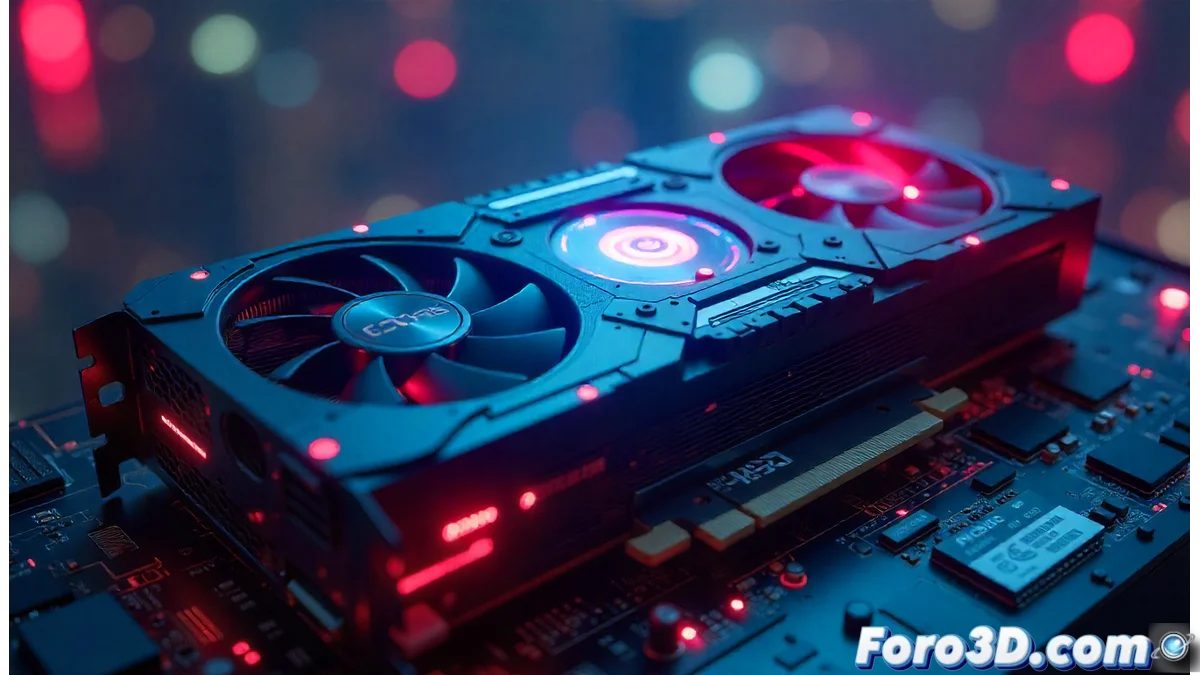
AMD Unveils FSR 4 and Redstone Stack for RX 9000 Graphics
AMD has revolutionized the gaming landscape with the launch of its new RX 9000 graphics cards and FSR 4 technology, designed to maximize performance through advanced image scaling and reconstruction algorithms. This evolution not only promises a qualitative leap in resolution but also introduces substantial improvements in visual fidelity, leveraging the specific hardware of these cards. 🚀
ML Ray Regeneration: The First Available Feature
The ML Ray Regeneration feature, part of the Redstone stack, is now available for developers and users. It uses machine learning to regenerate rays in real-time, optimizing ray tracing without sacrificing fluidity. Integrated with the RX 9000 hardware, it reduces visual noise and improves accuracy in reflections and shadows, offering a more immersive experience in compatible titles.
Key Features of ML Ray Regeneration:- Real-time ray regeneration via AI
- Significant reduction of visual noise in complex scenes
- Compatibility with a wide range of configurations and titles
ML Ray Regeneration sets a new standard in ray tracing quality, efficiently combining performance and fidelity.
Future Expansion of FSR Redstone
AMD has ambitious plans to expand the Redstone stack in the coming months, focusing on performance optimizations and advanced image reconstruction techniques. These improvements will include greater integration with the hardware's AI capabilities, ensuring FSR remains at the forefront against the competition.
Upcoming Planned Updates:- Superior scaling techniques for higher resolutions
- Increased collaboration with developers for rapid adoption
- Regular updates to keep the technology competitive
Reflections on the Technological Impact
While these innovations promise to revolutionize gaming, some users question whether they truly justify the constant hardware renewal. In a technological race where wallets can be affected, it is crucial to evaluate the balance between advancement and accessibility. 💡