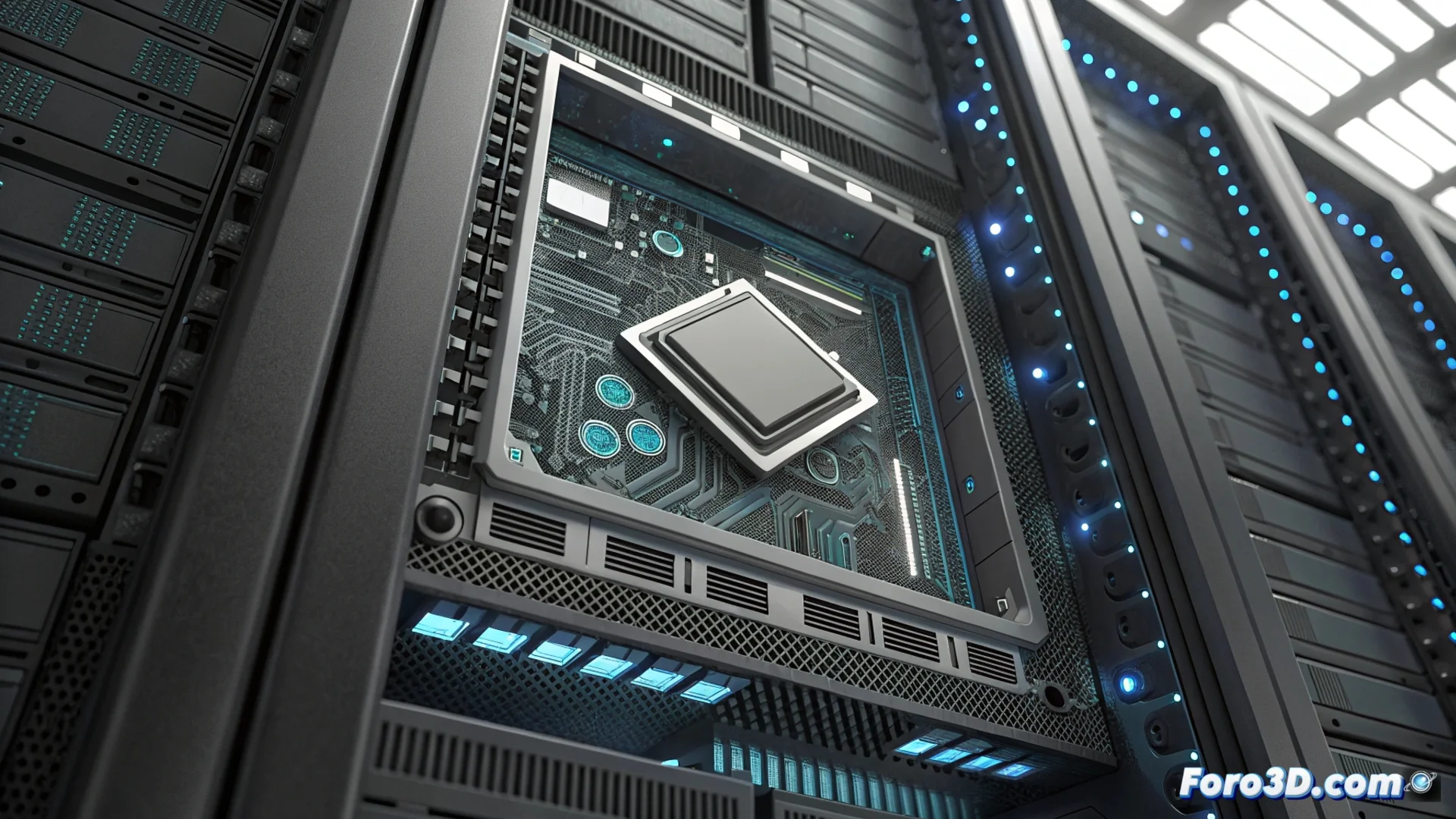
AMD Genoa: the DPU Challenging NVIDIA in the Data Center
The Data Processing Unit market is intensifying with AMD's entry and its Genoa project. This component positions itself as a direct rival to NVIDIA's BlueField solutions, acting as a next-generation SmartNIC. Its mission is clear: to free the server CPU from heavy infrastructure tasks. 🚀
Heterogeneous Architecture for Specialized Performance
The Genoa DPU is not a conventional chip. It employs an architecture that combines programmable ARM cores with dedicated hardware accelerators. This fusion allows the card to autonomously process network traffic, encrypt data, and handle storage operations without involving the server's main processor.
Key Components of the DPU:- High-performance ARM cores: Provide the flexibility to run software and full operating systems directly on the card.
- Programmable network accelerators: Handle data packet processing at extreme speeds, reducing latency.
- Security and storage modules: Manage encryption and data access in isolation, improving protection.
The DPU acts as an efficient copilot for the server, handling heavy background traffic so the CPU can focus on what matters.
Direct Impact on Data Center Efficiency
The main benefit of integrating a DPU like Genoa is transforming how server resources are used. By offloading infrastructure tasks, the host CPU can dedicate all its cycles to processing business applications, such as databases or artificial intelligence models.
Operational Advantages:- Higher application performance: The CPU is not interrupted by network or security tasks, so main workloads run faster.
- Resource optimization: Operators can achieve more with less, potentially reducing the number of servers needed for the same load.
- Energy efficiency: By making each server more productive, total data center energy consumption can be contained or reduced.
A Future with Specialized Processors
The arrival of Genoa underscores a trend toward heterogeneity in enterprise computing. It's not just about having a powerful CPU, but about having an ecosystem of processors where each does what it does best. While it promises greater efficiency, it also introduces complexity, reminding us that a copilot that is too autonomous might act at the least opportune moment. The competition between AMD and NVIDIA in this segment accelerates innovation to build smarter and more efficient data centers. ⚡