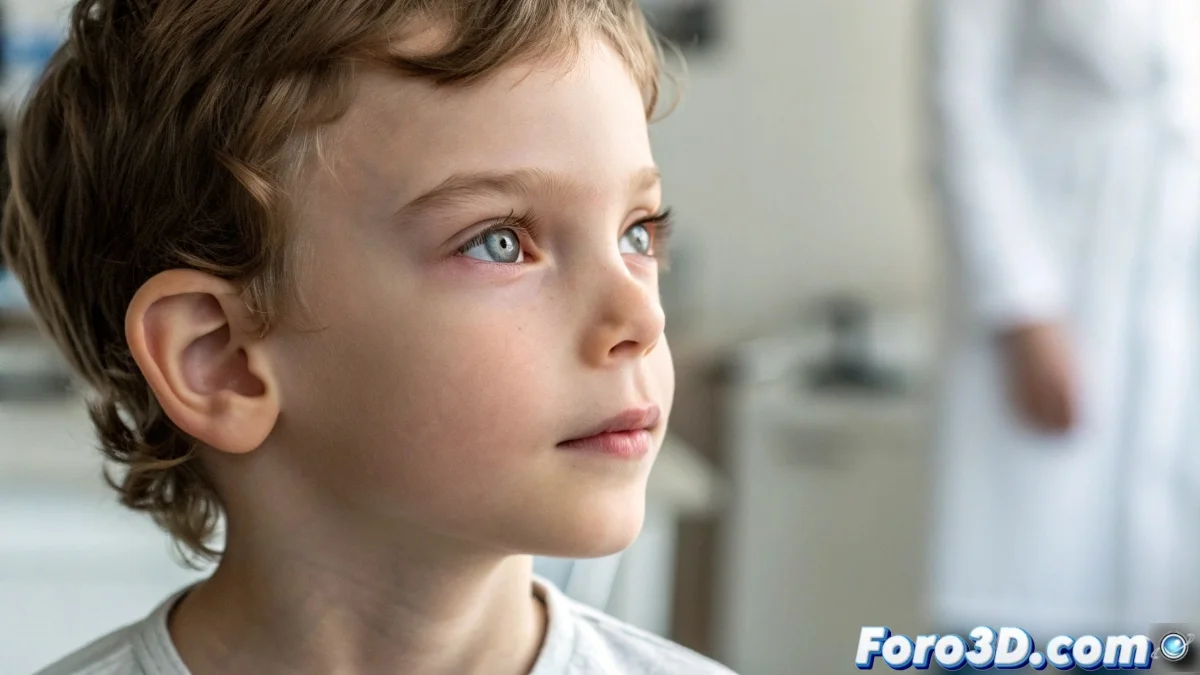
Amblyopia: Understanding Lazy Eye and Its Treatment
Amblyopia, commonly known as lazy eye, is a developmental visual disorder characterized by reduced visual acuity in one or both eyes, without an underlying organic lesion to explain it. This problem arises during childhood, when the visual system and brain are in the process of maturing, and is due to inadequate visual stimulation. The brain, upon perceiving blurry or misaligned images from one of the eyes, begins to ignore the information coming from that eye, prioritizing the other and causing poor vision in the affected eye which, if not addressed promptly, can become permanent 👁️🗨️.
Causes and Risk Factors of Amblyopia
The main causes of amblyopia include strabismus, where the eyes are not properly aligned, leading the brain to suppress the image from the deviated eye to avoid double vision. Another common cause is significant refractive errors, such as myopia, hyperopia, or astigmatism, that have not been adequately corrected, especially when there is a notable difference between both eyes. Furthermore, physical obstacles in the visual pathway, such as congenital cataracts or ptosis, can prevent light from reaching the retina correctly, also triggering this condition.
Main causes of amblyopia:- Strabismus: Eye misalignment that causes the brain to ignore the image from the deviated eye
- Uncorrected refractive errors: Significant differences in prescription between both eyes
- Visual obstacles: Congenital cataracts or ptosis that block light from reaching the retina
When faced with blurry or misaligned images, the brain opts to suppress information from the affected eye, prioritizing vision from the healthy eye.
Diagnosis and Treatment of Lazy Eye
The diagnosis of amblyopia is made through comprehensive visual exams that assess visual acuity, eye alignment, and refraction, ideally at an early age, as the visual system is more plastic before 7-8 years old. Treatment focuses on forcing the brain to use the affected eye, commonly achieved by using eye patches over the healthy eye, atropine drops to temporarily blur the vision of the stronger eye, or corrective glasses to balance refractive errors. In cases associated with obstacles like cataracts, surgical intervention may be required. The effectiveness of treatment largely depends on early detection and adherence to therapies.
Main therapeutic approaches:- Eye patches: Placed on the healthy eye to stimulate the use of the affected eye
- Atropine drops: Temporarily blur the vision of the stronger eye to favor the lazy eye
- Corrective glasses: Balance refractive errors and improve visual acuity
Final Reflection on Amblyopia
Amblyopia is a condition that, although often compared to a team member who arrives late, actually reflects a brain's decision to prioritize one eye over the other. Early detection and consistent treatment are crucial to prevent poor vision from becoming permanent. With proper management during childhood, it is possible to redirect visual development and significantly improve the patient's quality of life 🎯.