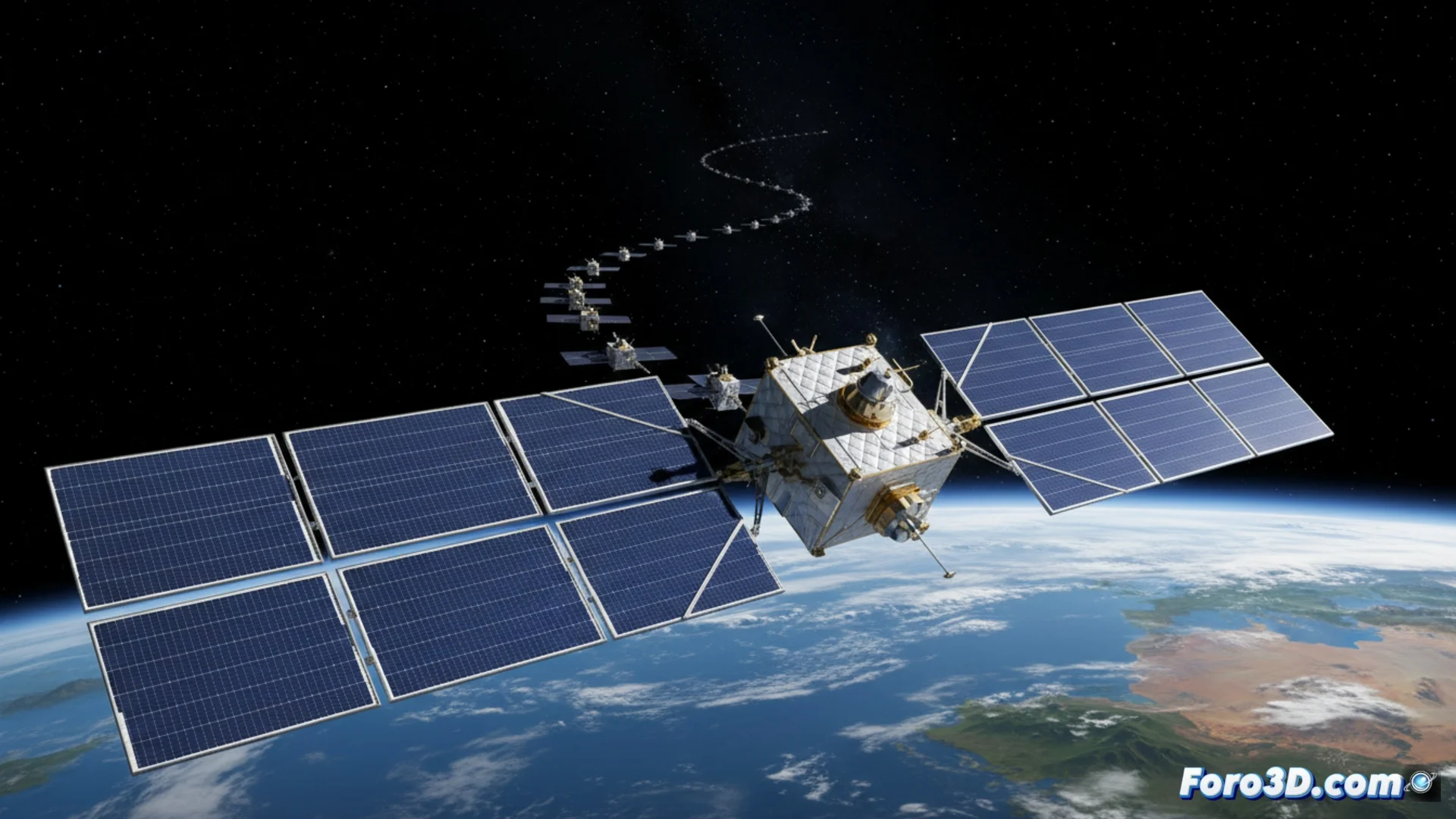
Amazon Delays Deployment of Its Leo Satellite Constellation
The tech giant has formally notified the Federal Communications Commission (FCC) of the United States that it needs to postpone the launch of a significant portion of its satellite fleet. 🛰️
An Official Request to Adjust Timelines
Amazon submitted a petition to the regulatory agency to modify the terms of its license. The company argues that it requires more time to manufacture, test, and safely and efficiently launch the remaining satellites into orbit. This move highlights the technical and logistical obstacles inherent in the aerospace industry.
Key Details of the Request:- It will not be able to deploy 50% of its constellation by July as initially planned.
- It maintains an active program with over a hundred missions scheduled for the first quarter.
- It seeks to ensure that the launch process meets all safety standards.
"We need to adjust the schedule to build, test, and launch the remaining satellites safely and efficiently." - Amazon's argument to the FCC.
Consequences for the Kuiper Initiative
This postponement directly impacts the Kuiper project, Amazon's ambitious bet to provide global broadband connectivity from space. To compete with networks like SpaceX's Starlink, it is crucial to deploy a large number of satellites quickly, so any delay could affect its competitive advantage. 🌍
Implications of the Delay:- It affects the speed of establishing a massive operational network in low Earth orbit (LEO).
- It could influence its market position against other satellite internet providers.
- The company reiterates its commitment to the project's ultimate goal.
Space Traffic Also Suffers Congestion
It seems that traffic jams are not an Earth-exclusive problem. Our planet's low orbit is also beginning to experience its own logistical delays, evidencing the challenges of colonizing space with technology. 🚀