Stop-Motion in the Digital Age
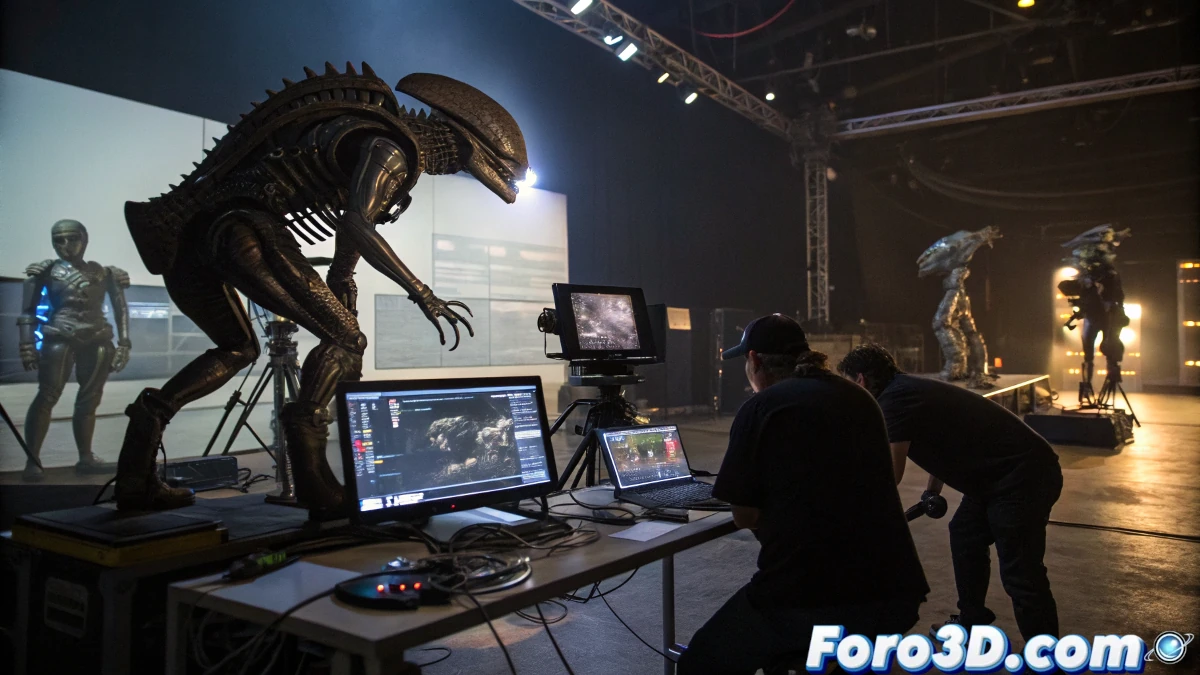
In the film Alien: Romulus (2024), Tippett Studio has demonstrated that stop-motion, a classic animation technique, remains a powerful tool even in the digital age. Under the direction of Fede Álvarez, the studio has created sequences that combine the best of practical and digital effects, achieving a visually stunning and authentic result.
A Tribute to Classic Aesthetics
The visual effects team worked meticulously to recreate the unsettling aesthetic of the original Alien films. Using frame-by-frame stop-motion techniques, they achieved a reanimation effect that evokes the rawness and realism of old-school practical effects, while integrating modern technology to perfect every detail. This approach not only respects the visual heritage of the saga but also takes it to new horizons.
"Stop-motion is an art that connects the past with the future, and in Alien: Romulus, we wanted to honor that tradition." – Fede Álvarez
The Creation of the Alien Creatures
One of the most notable aspects of the film is the creation of the alien creatures. Every movement, texture, and expression was carefully designed to convey a sense of organic life. Although the final result appears hyper-realistic, it is important to note that no animals were harmed during production. Everything was achieved through artistic skill and the innovative use of digital tools.
- Organic Movements: Every gesture of the creatures was designed to appear natural.
- Realistic Textures: The skin and details were created using manual and digital techniques.
- Ethical Innovation: No use of animals, only creativity and technology.
A Dark and Immersive Universe
The film stands out not only for its visual effects but also for its atmosphere. The sequences created by Tippett Studio integrate perfectly into the dark and claustrophobic universe of Alien: Romulus, adding layers of tension and realism that immerse the viewer in the story. This visual and narrative approach creates an unforgettable cinematic experience.
The Coexistence of Practical and Digital
Alien: Romulus is an example of how practical and digital effects can complement each other to create unforgettable cinematic moments. This fusion not only respects the visual heritage of the saga but also takes it to new horizons, demonstrating that innovation and tradition can go hand in hand.
An Enduring Legacy
With its work on Alien: Romulus, Tippett Studio has not only contributed to a film but has reaffirmed the importance of artisanal techniques in the film industry. This project is a reminder that, even in the age of digital effects, handcrafted art and creativity remain fundamental to telling stories that endure in the public's memory.
"Cinema is an art that feeds on innovation, but also on tradition. Alien: Romulus is a perfect example of that union." – Tippett Studio
In summary, Alien: Romulus is not just a film, but a tribute to the evolution of cinema. With its combination of classic and modern techniques, it reaffirms that cinematic art remains a field in constant transformation, where the past and the future meet to create something truly unique.