Realistic facial animation remains a cornerstone of visual effects, allowing filmmakers to create compelling characters and immersive experiences. Over the years, technology has advanced significantly from the days of animatronics, now offering advanced facial motion capture systems such as performance capture, motion tracking, and generative artificial intelligence.
Evolution of Facial Motion Capture
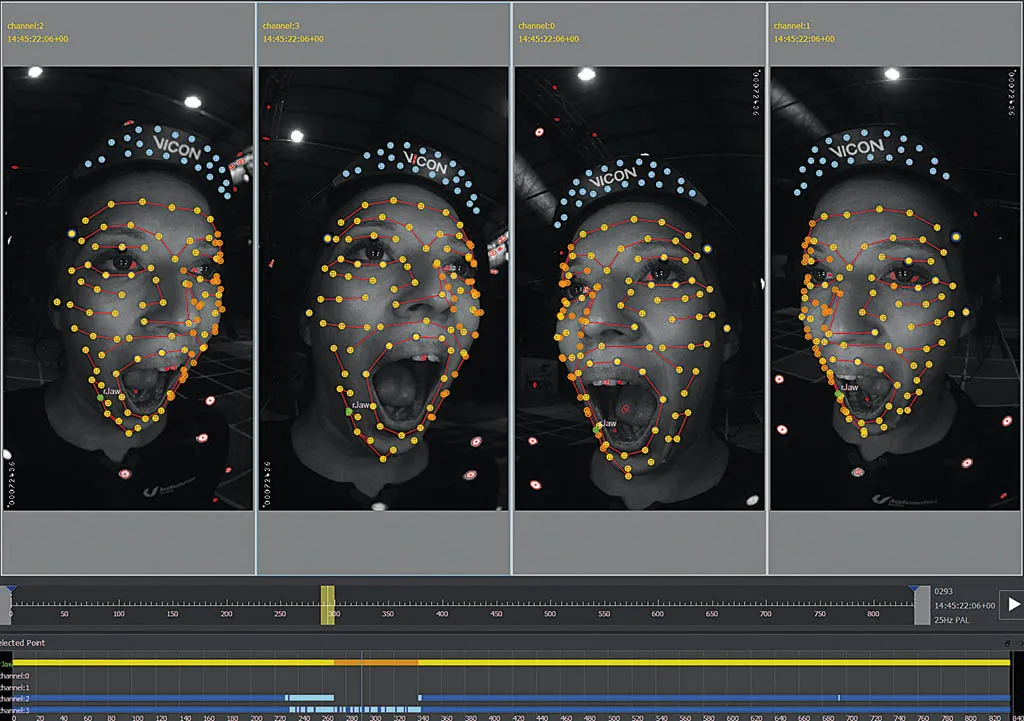
These advances have enabled animation studios worldwide to create more realistic content and explore new ways to represent characters. One of the pioneering technologies in facial motion capture is the Vicon system, which has been fundamental in the creation of films like Avatar and the Lord of the Rings trilogy.
Systems Used in the Industry
- Vicon: used in films like Avatar and Lord of the Rings
- Faceware: used in Doctor Strange in the Multiverse of Madness and Godzilla vs. Kong, as well as video games like Hogwarts Legacy
- Medusa by ILM: Oscar-winning, used in Martin Scorsese's The Irishman
- Masquerade3 by Digital Domain: markerless capture, used to create characters like Thanos and She-Hulk
Challenges in Facial Recreation in CGI
A standout example of the challenges in facial recreation in CGI is the work done on the film Wonka (2023), where Framestore faced the task of recreating Hugh Grant's face in CGI. To achieve an accurate representation, they turned to sculptor and facial modeler Gabor Foner, who studied the actor's facial muscle movements to create a performance capture formula that allowed replicating facial expressions faithfully.
"Performance capture is fundamental to achieving an accurate and natural representation of facial expressions in CGI," explains Gabor Foner.
The Use of Specialized Technologies
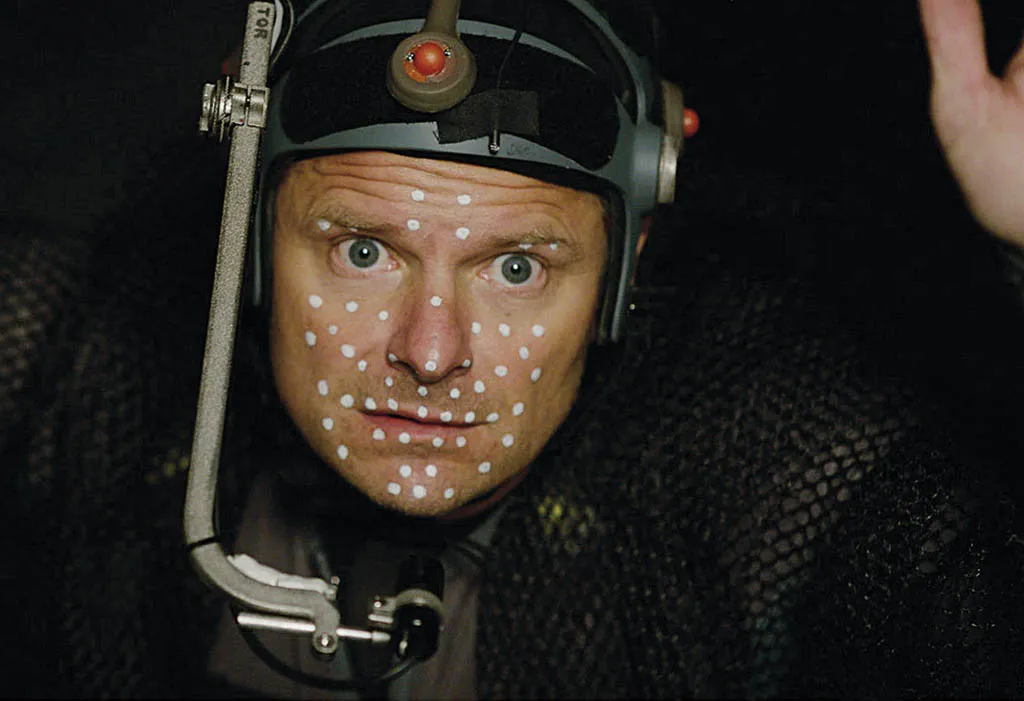
This process also required the collaboration of a team that deeply understood how the Facial Action Coding System (FACS) works, which helps capture the subtleties and particularities of each face.
Recent Innovations in Facial Capture
Facial capture technology has continued to evolve, as in the case of Digital Domain's Masquerade3, which allows markerless capture while maintaining exceptional quality. This innovation has been crucial for creating iconic characters like Thanos and She-Hulk, eliminating the restrictions of markers and allowing a smoother capture process.
Impact of Technology on Filming
This advance has been especially beneficial during filming sessions, as occurred in She-Hulk, where COVID restrictions made it difficult to consistently apply markers to the actors.
The Future of Facial Animation: Artificial Intelligence and More
In addition to facial capture, generative artificial intelligence has great potential to revolutionize facial animation. Oliver James, chief scientist at DNEG, mentions that AI can help generate full-body realistic animations from general paths, streamlining the creative process and facilitating the creation of animated characters without having to animate each joint individually.
"The use of AI to generate full-body animations could completely change the way we animate characters, allowing greater efficiency in the process," states Oliver James.
Ethical and Legal Considerations
However, he warns that the responsible use of these technologies is crucial, as they could pose ethical and legal issues. The future of facial animation seems increasingly focused on improving the actor and director experience, with technologies like markerless capture that allow actors to be filmed directly on set without intrusive facial cameras, enhancing both the quality of performances and the filming process.
Conclusion
As technologies continue to advance, such as real-time performance capture systems and interactive rendering engines, facial animation continues to improve, getting closer and closer to perfection. The combination of advanced facial capture techniques and artificial intelligence promises to transform the film and video game industry, offering new ways to tell visually stunning stories.