Advances in Oncology Research: The Innovation of TissueTinker
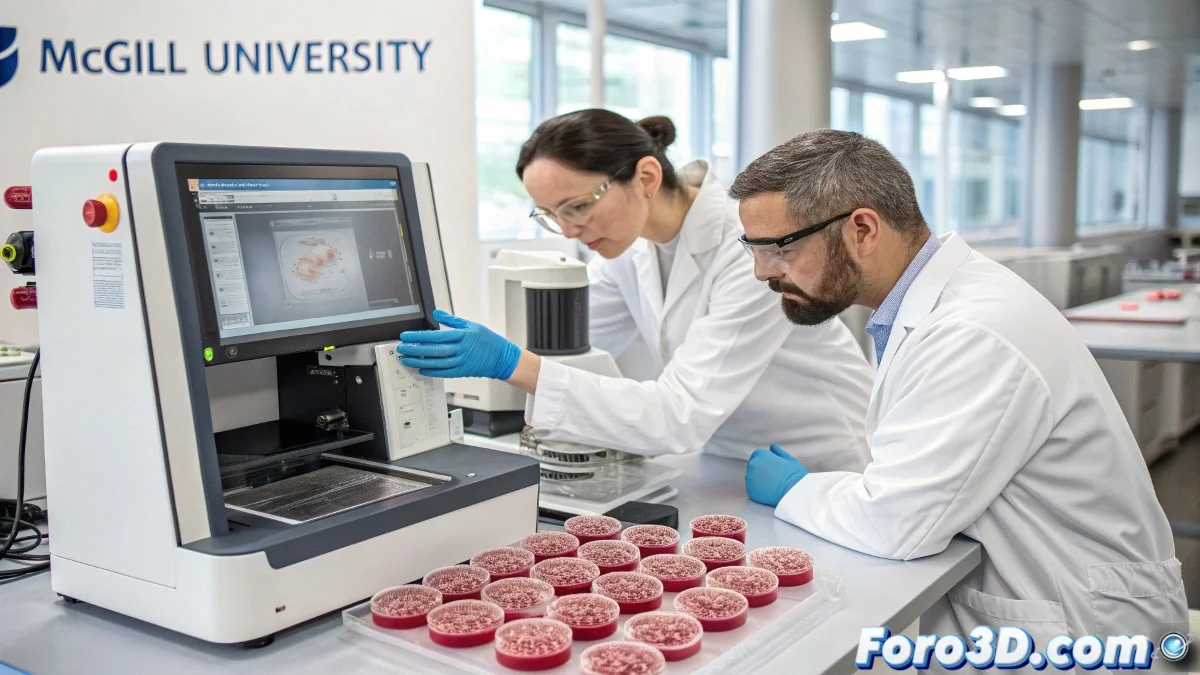
TissueTinker, a startup born from McGill University, is revolutionizing oncology research with its miniature biotumor platform. This technology aims to replace 2D cultures and animal testing, offering a more precise and ethical alternative for cancer drug testing. Thanks to a grant from the McGill Innovation Fund, the team is advancing the development of 3D-printed tumors with human cells that more faithfully replicate cancer physiology.
300 µm Biotumors with Cellular Precision
TissueTinker's platform uses living bioinks to print tumors of approximately 300 microns, an optimal scale to balance biological realism and efficiency. These biotumors include both healthy and cancerous tissues in structures that mimic hypoxic cores and other real conditions found in tumors. Researchers can customize the cellular composition and morphology to suit specific studies, allowing for greater precision in research.
An Alternative to Animal Experimentation, Now Backed by the FDA
The new FDA guidelines, which allow replacing animal testing with human models, have opened the door to more ethical and precise approaches in preclinical research. TissueTinker plans to license its technology to pharmaceutical companies and research institutions to accelerate the development of more effective drugs and reduce the high rate of clinical failures. This innovation not only improves the accuracy of trials but also aligns research with higher ethical standards.
TissueTinker's technology represents a significant advance in oncology research, offering a more precise and ethical alternative to traditional methods. With each advance, we get closer to more effective and personalized cancer treatments. 🔬