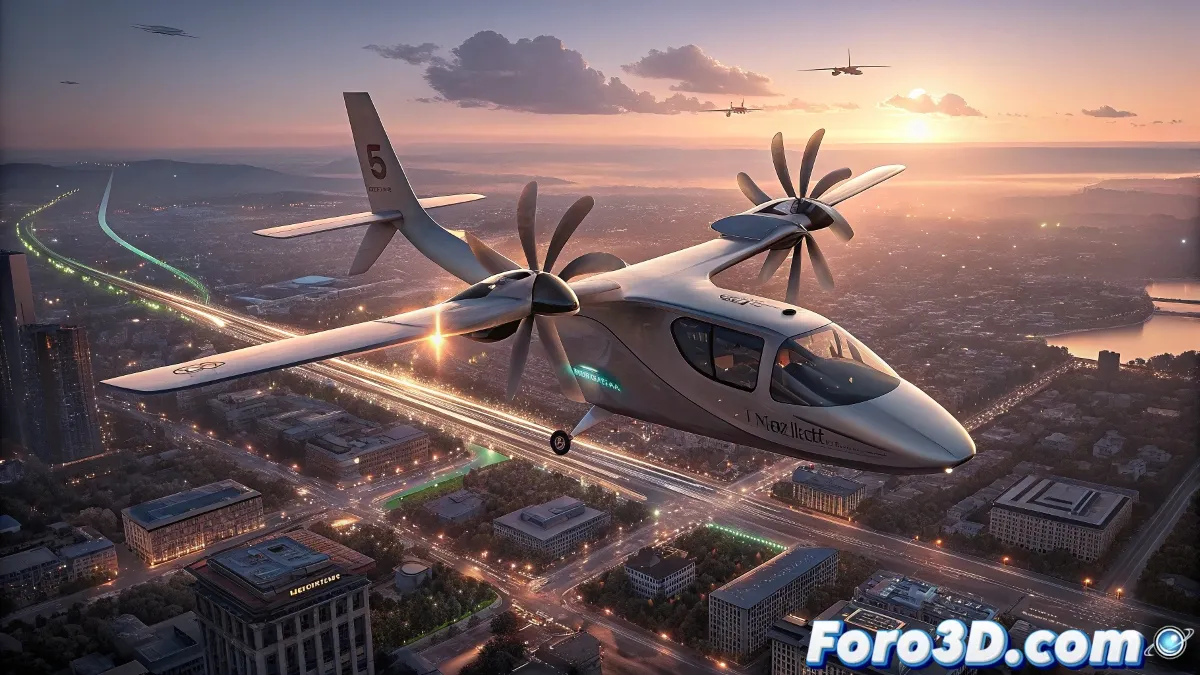
The aviation industry is exploring new technologies to reduce its environmental impact, and one of the most innovative proposals is the use of hydrogen-powered aircraft. A notable example is the development of Vertical Take-Off and Landing (VTOL) aircraft like Vertiia, which aims to offer long-range flights without emitting pollutants.
Thermal Systems in Hydrogen Aircraft
The efficient operation of a hydrogen aircraft depends largely on the thermal management of its components. Hydrogen fuel cells generate a significant amount of heat during flight, which must be dissipated to prevent damage and maintain optimal performance. To achieve this, heat exchangers have been designed to regulate temperature without affecting the vehicle's aerodynamics, ensuring greater efficiency and safety.
The Role of 3D Printing in Component Manufacturing
3D printing has revolutionized the manufacturing of components for hydrogen aircraft, enabling the creation of lightweight and compact structures. This technology facilitates the design of heat exchangers that can adapt to the limited spaces within the aircraft. Through 3D printing, it is possible to optimize space usage and improve efficiency without compromising the overall vehicle design.
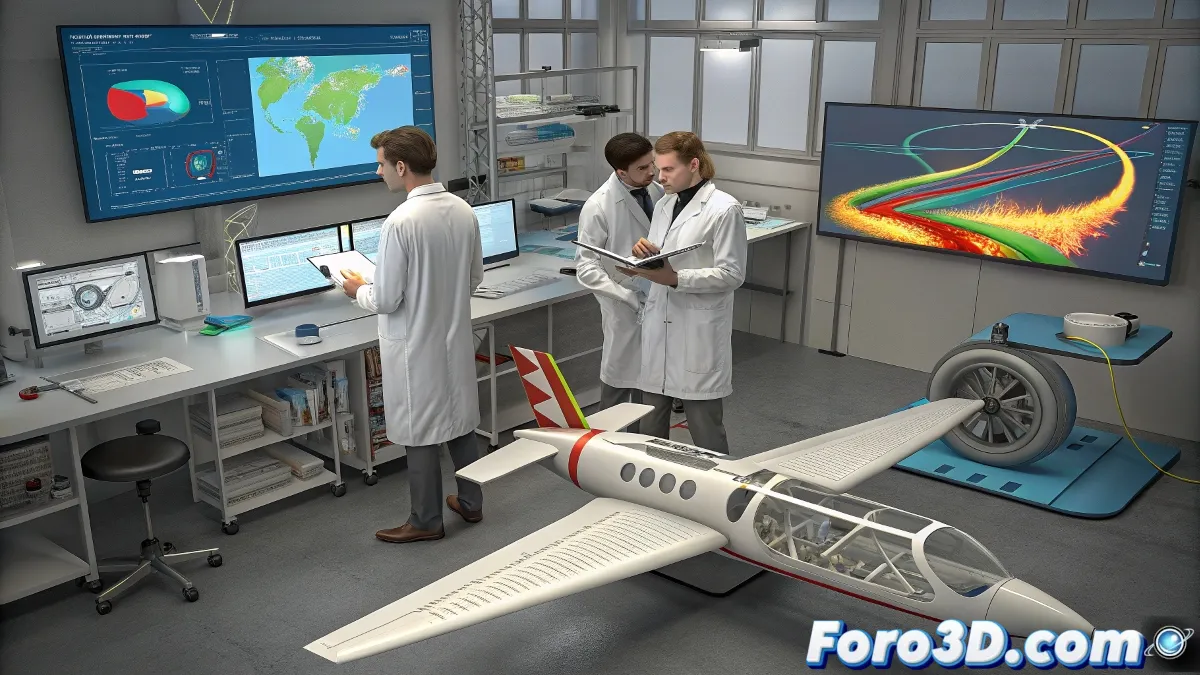
Thermal Challenges in Hydrogen Flight
One of the main challenges in flying hydrogen-powered aircraft is managing thermal peaks during takeoff, landing, and hover flight. During these phases, energy demand increases considerably, leading to rapid temperature rises. To handle these thermal peaks, it is essential to have efficient cooling systems that do not add extra weight to the aircraft, which could compromise its performance.
Applications Beyond Aviation
The heat exchanger technology used in hydrogen aircraft not only benefits aviation but also has potential applications in other sectors, such as the space industry and advanced propulsion systems. Companies and research centers are working to adapt this technology to improve thermal efficiency in a variety of industrial applications that require precise temperature control.
The Future of Sustainable Transportation
Advances in hydrogen propulsion are ushering in a new era of sustainable transportation. With the continuous improvement of technologies and collaboration between different industries, progress is being made towards cleaner and more efficient aviation, with the ability to significantly reduce the carbon footprint without sacrificing aircraft operational capability.