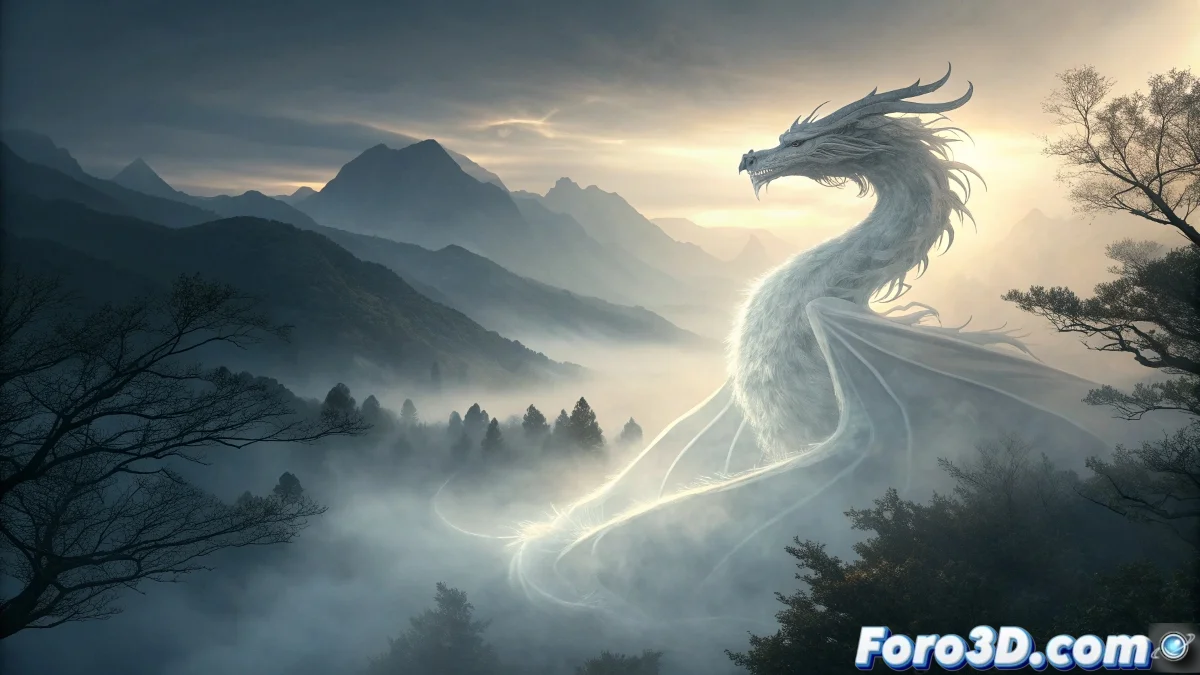
Advanced Techniques in Pencil 2D for Creating Subtle and Mysterious Scenes
When designing atmospheric scenes in Pencil 2D, it is crucial to adopt an approach that prioritizes visual suggestion over direct representation. Drawing inspiration from aesthetic principles like the art of war, we manage to convey mystery and depth through resources that activate the viewer's imagination 🎨.
Background Setup and Subtle Gradients
The process begins with the creation of ethereal backgrounds where shapes emerge from barely perceptible tonal variations. Use the brush tool with reduced opacity (below 10%) to generate transitions that seem to arise from nothing, avoiding defined outlines and favoring natural integration with the environment.
Key elements for suggestive backgrounds:- Smooth gradients that blend analogous colors without abrupt transitions
- Base shapes drawn with faint strokes and progressive blurs
- Use of adjustment layers to modulate lighting and saturation globally
True mastery lies in hiding as much as is revealed, allowing the void to activate the narrative.
Layer Management and Overlapping Transparencies
Stratified overlapping is fundamental to achieve that effect of near invisibility. In Pencil 2D, assign stepped opacities starting from 5% for the bases and increasing up to 20% on highlighted elements, never reaching full opacities. This generates silhouettes that are intuited, like a dragon hiding among lights and shadows 🐉.
Recommended layer setup:- Base layer with 5% opacity for general shapes and integrated backgrounds
- Intermediate layers between 10-15% for elements with greater visual presence
- Upper layers above 20% reserved for subtle accents and minimal details
Animation through Fading and Minimal Movement
To reinforce the mysterious sensation, the animation must be based on almost imperceptible appearance and disappearance cycles. Set up the timeline with very spaced keyframes and use easing functions so that the movements are fluid and natural, as if the shapes materialized from the environment itself through light play.
Subtle animation techniques:- Wide interpolation between keyframes to lengthen transitions
- Application of easing on entries and exits for organic movements
- Use of opacity cycles to simulate breathing or ethereal presence
The Artistic Challenge of Restraint
The greatest challenge is to resist the temptation to add excessive details, remembering that in the economy of elements lies the emotional impact. Every omitted stroke and every minimized movement contributes to a more eloquent narrative, where the active void on screen speaks louder than any complex animation ✨.