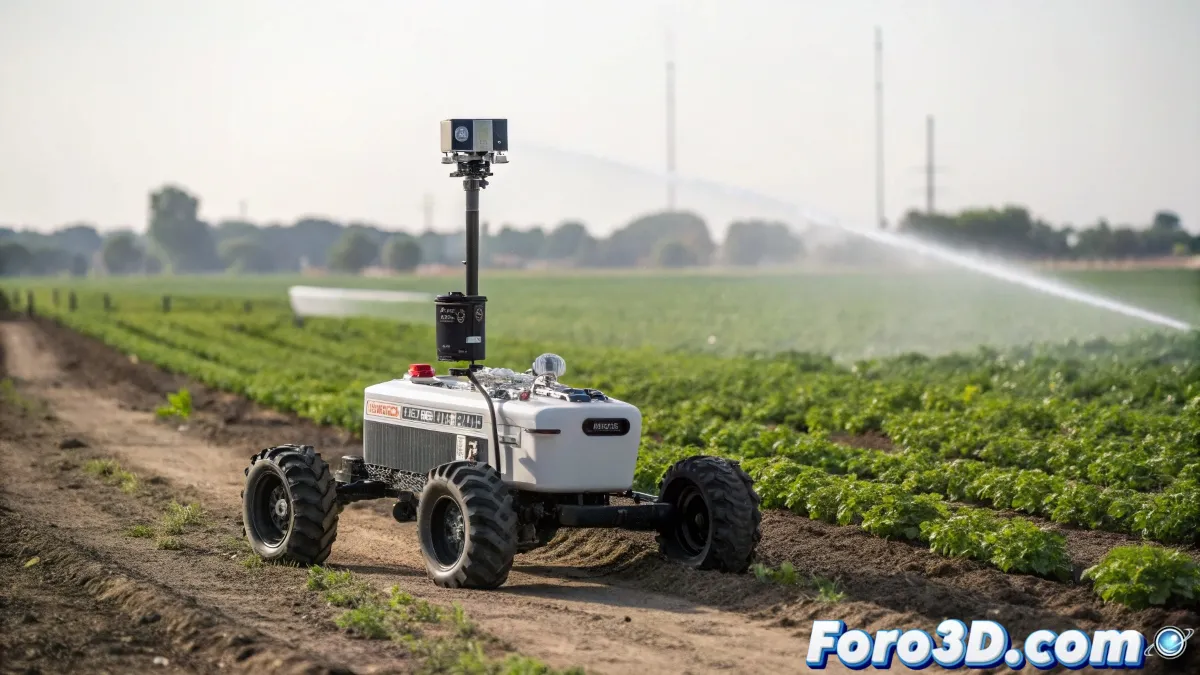
advanced protection for outdoor robots
Robots designed to operate in outdoor environments face multiple challenges that affect their performance and durability. Unlike indoor industrial systems, these robots must withstand adverse environmental conditions such as extreme temperatures, humidity, solar radiation, and exposure to chemicals. Their functionality largely depends on the implementation of effective solutions that prevent premature damage to their mechanical components.
the key role of protective seals
To ensure the longevity of these systems, protective seals play an essential role in preventing the entry of contaminants and minimizing structural wear. Factors such as thermal variations and the presence of solvents can compromise their performance. Likewise, vibrations and impacts accelerate material fatigue, making it necessary to apply high-resistance and adaptable sealing solutions.
essential characteristics of seals in robotics
The development of seals for outdoor robots requires balancing resistance, flexibility, and durability. In models with high mobility, the need to perform precise and repetitive movements can pose a challenge for sealing materials. Conventional elastomers can deteriorate due to friction and prolonged exposure to external agents, reducing their lifespan and affecting the robot's efficiency.
mechanical wear and its impact on performance
One of the main drawbacks in robotics is friction in the joints, which generates heat and decreases movement precision. In collaborative robots, designed to interact with humans, this factor is even more critical, as it directly affects operational safety. Additionally, ultraviolet radiation can degrade materials over time, reducing their effectiveness.
advances in sealing technology
To mitigate these issues, innovative seals with optimized geometries have been developed that minimize friction and improve the distribution of mechanical loads. Designs such as Z-structure have proven effective in extending seal durability without compromising robot mobility. The absence of metal springs also reduces the risk of structural fatigue.
validation and simulation of seals
The use of simulation tools has enabled the evaluation of seal behavior before manufacturing. Through advanced analyses, aspects such as pressure distribution and fatigue resistance can be optimized, reducing the need for extensive physical testing. These techniques accelerate the development process and ensure reliable performance from the initial phase.
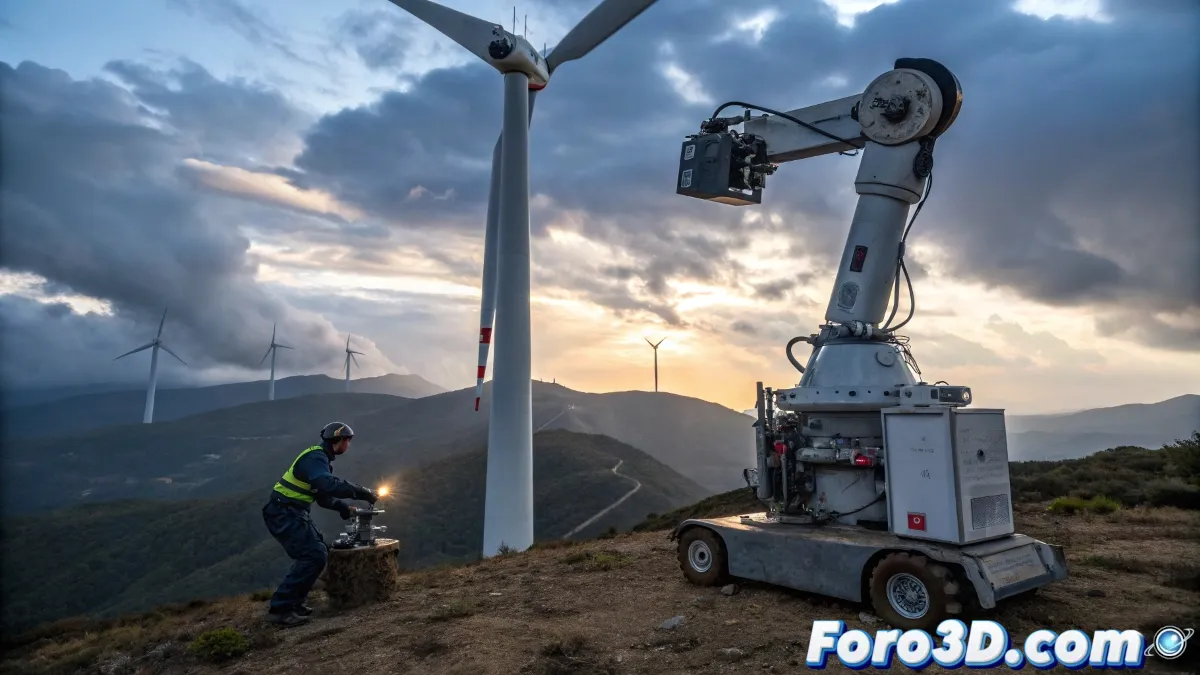
advanced materials for greater durability
Material selection is fundamental to ensure seal resistance. Compounds such as Fluoroprene XP and EPDM offer significant advantages in terms of thermal stability and chemical resistance. While Fluoroprene XP protects against aggressive agents and ultraviolet radiation, EPDM maintains its elasticity even in extreme conditions. Additionally, the application of lubricant coatings reduces friction, favoring operational precision.
testing in real environments
To ensure the effectiveness of the seals, resistance tests have been conducted under real operating conditions. These evaluations include exposure to humidity, dust, temperature variations, and vibrations. The results have shown that optimized seals have a longer lifespan and maintain their structural integrity, improving reliability in industrial and agricultural applications.
safety and efficiency in collaborative robotics
In robots designed to work alongside humans, the proper functioning of seals influences system safety. Reducing friction allows for faster responses in critical situations, while the use of low-friction materials improves precision. These advances contribute to creating safer and more efficient work environments.
adaptability to different applications
- Industrial autonomous robots require reinforced seals to withstand vibrations and contaminants.
- Models used in the food industry must comply with strict hygiene regulations.
- High-speed robots, such as delta and SCARA, need seals that support high accelerations.
towards a more reliable future
The development of sealing systems continues to evolve to meet the growing demands of modern robotics. Thanks to research into new materials and the use of advanced simulation tools, it is possible to improve the efficiency and durability of robots in various sectors. The combination of optimized designs and high-performance materials enables facing extreme conditions with greater reliability.