Adaptation of Literary Classics to Luxury Graphic Novels: The Editorial Renaissance
The Spanish publishing landscape is undergoing a significant transformation with the rise of luxury adaptations of literary classics into the graphic novel format. Publishers like Norma Editorial and Planeta Cómic are investing considerably in this trend, which seeks to bring great works of universal literature to new audiences through the visual power of comics, demonstrating that the dialogue between literature and sequential art can enrich both disciplines. 📚
The Premium Adaptation Phenomenon
This wave of luxury adaptations is not limited to simple translations, but represents careful reinterpretations where art becomes a narrative vehicle as important as the original text, offering unique reading experiences.
Characteristics of these special editions:- Premium binding with dust jackets and high-quality materials
- Introductory studies and additional material on the creative process
- Expanded formats that respect the essence of the original works
"Adapting a classic is not translating words into images, it is reinterpreting an essence through a new artistic language" - Director of Norma Editorial
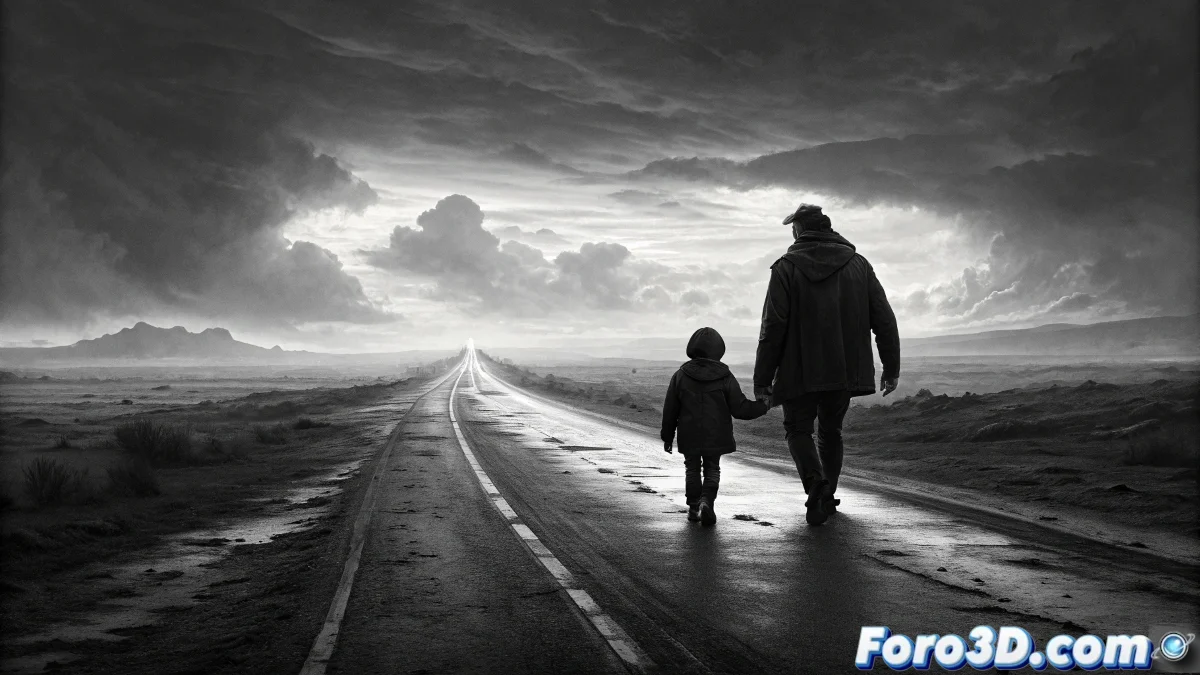
The Road: From McCarthy to Larcenet in Black and White
The luxury black and white edition of The Road, adapted by Manu Larcenet from Cormac McCarthy's masterpiece, represents a bold stylistic exercise where the absence of color intensifies the desolate and poetic atmosphere of the original novel.
Highlights of this adaptation:- Black and white art that reflects the harshness of the post-apocalyptic world
- Page compositions that emphasize solitude and despair
- Visual narration that complements McCarthy's minimalist style
The War of the Worlds: Wells in Integral Format
The integral release of H.G. Wells's The War of the Worlds by Planeta Cómic demonstrates how classic science fiction works find new vigor in the graphic format, attracting both literary purists and new readers.
Innovative elements of this version:- Visual update that maintains the original Victorian essence
- Action sequences that amplify the impact of the Martian invasion
- Additional documentation on the historical influence of the work
The Future of the Literary Canon in Graphic Format
This editorial trend not only democratizes access to works considered classics but also elevates the status of the graphic novel as a legitimate artistic medium, establishing a bridge between generations of readers and consolidating a mature market that values both literary content and the quality of visual production. 🎨