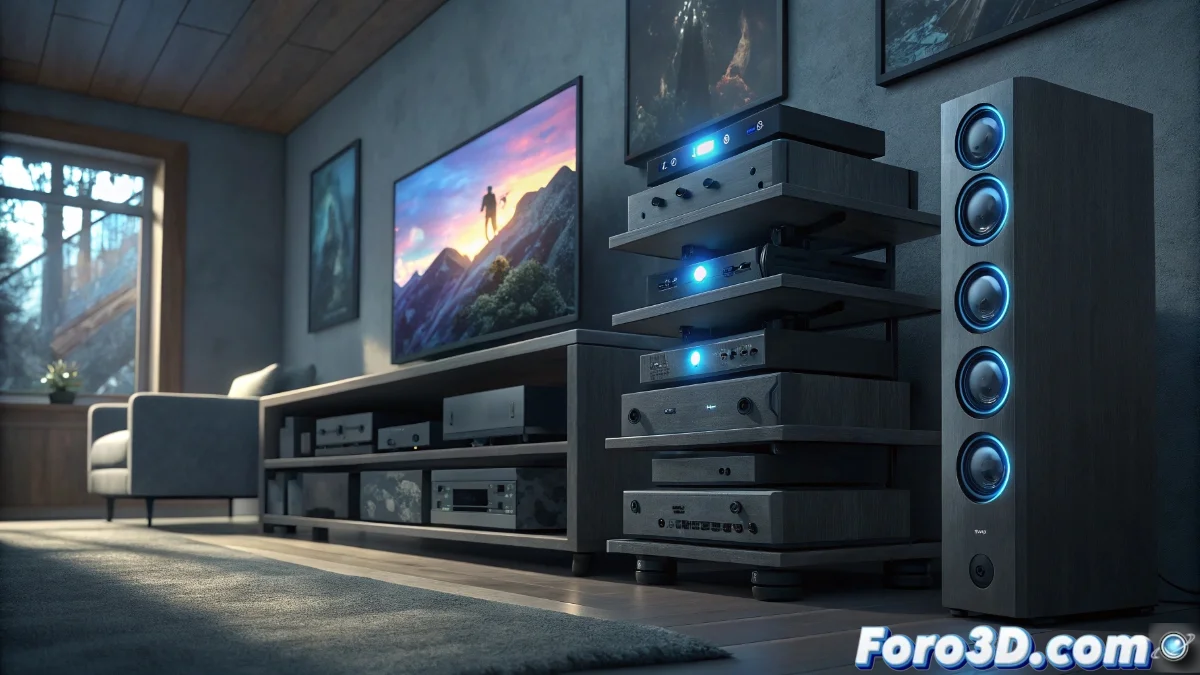
Accelerated Obsolescence in Audio and Video Receivers
The home entertainment equipment market faces an increasingly rapid technological obsolescence, where perfectly functional devices are sidelined by the constant emergence of new standards and formats. This dynamic creates a vicious cycle of forced upgrades for consumers 🎮.
The Impact of New Formats on the Industry
The periodic introduction of improvements in image and sound quality requires specifically designed hardware. When manufacturers decide not to provide firmware updates, equipment that cost significant amounts of money becomes incapable of playing modern content like HDR10+ or Dolby Vision 📀.
Most Common Technical Limitations:- Inability to process 4K signals at 120Hz despite having sufficient hardware components
- Lack of support for advanced compression codecs like AV1 that optimize bandwidth
- Artificial restrictions through DRM systems that block adaptation to new standards
Devices that cost hundreds of euros become elegant scrap not because they fail, but because some board of directors decided it was time for you to buy the next model.
Commercial Strategies Behind Obsolescence
Manufacturers implement short support cycles and limited update capacity as a mechanism of planned obsolescence. This practice ensures a steady flow of sales while generating mountains of completely avoidable electronic waste 🔄.
Tactics Used by Manufacturers:- Product design with deliberately limited capacity for future updates
- Implementation of compatibility checks that prevent adaptations through software
- Strategic decisions that intentionally shorten the lifespan of devices
Consequences for Consumers and the Environment
Users need to become technological archaeologists to understand which standards will survive before investing in new equipment. This situation not only affects family finances but also significantly contributes to the global electronic waste problem, where technically operational equipment ends up in landfills 🌍.