Abusive Clauses in Artistic Training Contracts: How to Identify and Claim Them
In the 3D design, animation, and digital disciplines training sector, it is common to find abusive clauses in enrollment contracts that significantly harm students. These conditions, which often go unnoticed during the enrollment process, limit fundamental rights or force the waiver of basic legal guarantees. 🎓
What are Abusive Clauses in Artistic Training
Abusive clauses are those contractual conditions that create an imbalance between the rights and obligations of the parties, harming the consumer. In the context of digital design and visual arts training, common examples include the prohibition of tuition refunds under any circumstances, excessive limitations on cancellations, or conditions that nullify legal rights recognized by law. ⚠️
Examples of frequently abusive clauses:- "Tuition will not be refunded under any circumstances"
- "The student waives any future claim"
- "The school may modify the program without prior notice"
Abusive clauses limit student rights or force them to waive legal guarantees
Legal Protection Against Abusive Clauses
Students of digital and artistic disciplines have strong legal protection against these practices. Law 7/1998 on General Contracting Conditions establishes that abusive clauses are considered null and void. Furthermore, the jurisprudence of the Supreme Court has repeatedly reinforced consumer protection against unbalanced contractual conditions. ⚖️
Legal bases of protection:- Law 7/1998 on General Contracting Conditions
- Consolidated Text of the Law on Consumers and Users
- Consolidated Jurisprudence of the Supreme Court
How to Identify Problematic Clauses
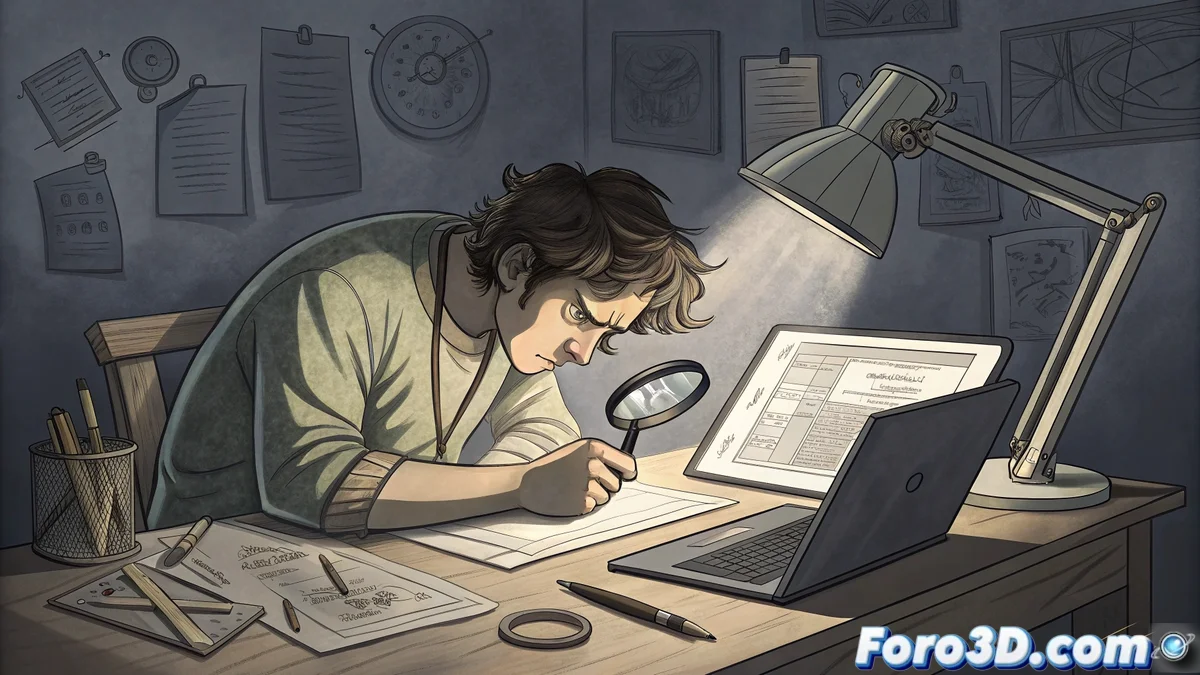
For future 3D design, animation, and visual development professionals, it is crucial to learn how to identify potentially abusive clauses before signing any contract. Warning signs include small print text, waivers of legal rights, excessively restrictive cancellation deadlines, and conditions that benefit only the school. This careful review can prevent future problems. 🔍
Signs of abusive clauses:- Disproportionate limitations of liability
- Waiver of rights recognized by law
- Unilateral modifications of the contract
Procedure to Claim and Annul Clauses
When a student identifies an abusive clause in their artistic training contract, they can request its declaration of nullity and claim the enforcement of their rights. The process includes formal communication to the school, filing a claim with consumer protection agencies if there is no satisfactory response, and ultimately, the judicial route for its annulment. 📝
Steps to claim:- Detailed review of the entire contract
- Formal communication pointing out the abusive clauses
- Filing a claim with consumer protection bodies
Fair Contracting in Digital Training
Contractual transparency is fundamental in the relationship between art schools and students. 3D design and digital disciplines training centers should avoid including clauses that limit students' basic rights, while students should carefully review contracts before signing them. This attention to contractual detail benefits the entire educational community in the digital sector. ✨