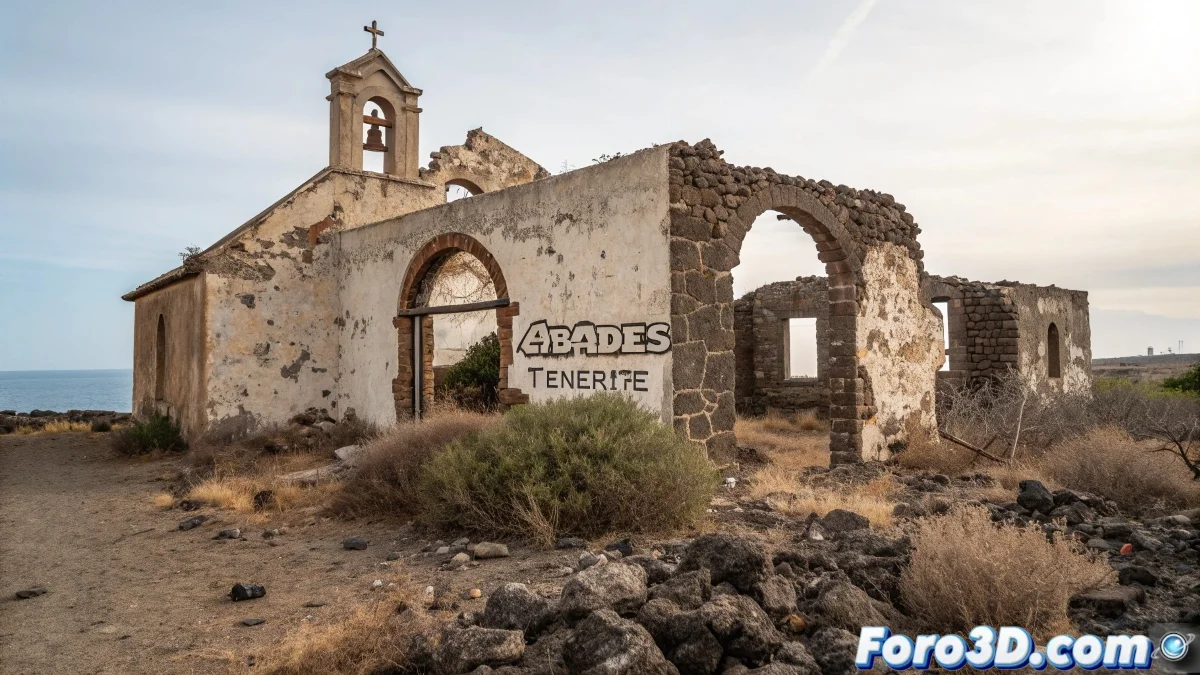
When the Memory of Pain Meets 3D Modeling
The Abades leprosarium represents one of those places where medical history and folklore intertwine in the decrepit walls of what was a place of isolation and suffering. Recreating this abandoned complex in Blender is not just an exercise in architectural modeling, but an opportunity to digitally preserve the memory of a space that encapsulates decades of health marginalization and human pain. The technical challenge thus becomes an act of historical preservation, capturing the essence of a place that many prefer to forget but that collective memory resists leaving completely behind.
What makes this project particularly complex is how to balance architectural realism with the emotional weight of the place. The buildings themselves - the infirmary, the residences, the chapel - have relatively simple geometries, but it is the atmosphere of abandonment, the feeling of interrupted lives, and the weight of stigmatized disease that truly defines the experience of the place. Capturing this intangible quality requires going beyond metric precision to venture into the territory of visual narrative and emotional expression through lighting, composition, and texturing.
Recreating the Anatomy of Abandonment
- Precise modeling of early 20th-century hospital architecture
- Recreation of the original isolation systems and spatial distribution
- Inclusion of decay elements like broken windows and collapsed structures
- Invasive vegetation reclaiming abandoned human spaces
The Visual Poetics of Deterioration
The success of this recreation lies largely in mastering the art of texturing the passage of time. PBR textures must not only represent materials like stone and brick, but also capture the accumulated layers of deterioration - from wind and saltpeter erosion to lichen growth and the action of the elements over decades of abandonment. Every crack, every chip, every damp stain tells a silent story about what happened between these walls and the time elapsed since the last patient was discharged.
Recreating the leprosarium is digitally preserving the memory of those who were forgotten twice: by disease and by time
The lighting and volumetric systems play a crucial role in conveying the legendary atmosphere of the place. The dim light filtering through broken windows, the elongated shadows creeping through empty corridors, the fog that selectively hides and reveals - all these technical elements become narrative tools that evoke the stories of shadows and whispers that oral tradition has associated with the place. This approach allows honoring both the documented history and the folklore that has grown around it.
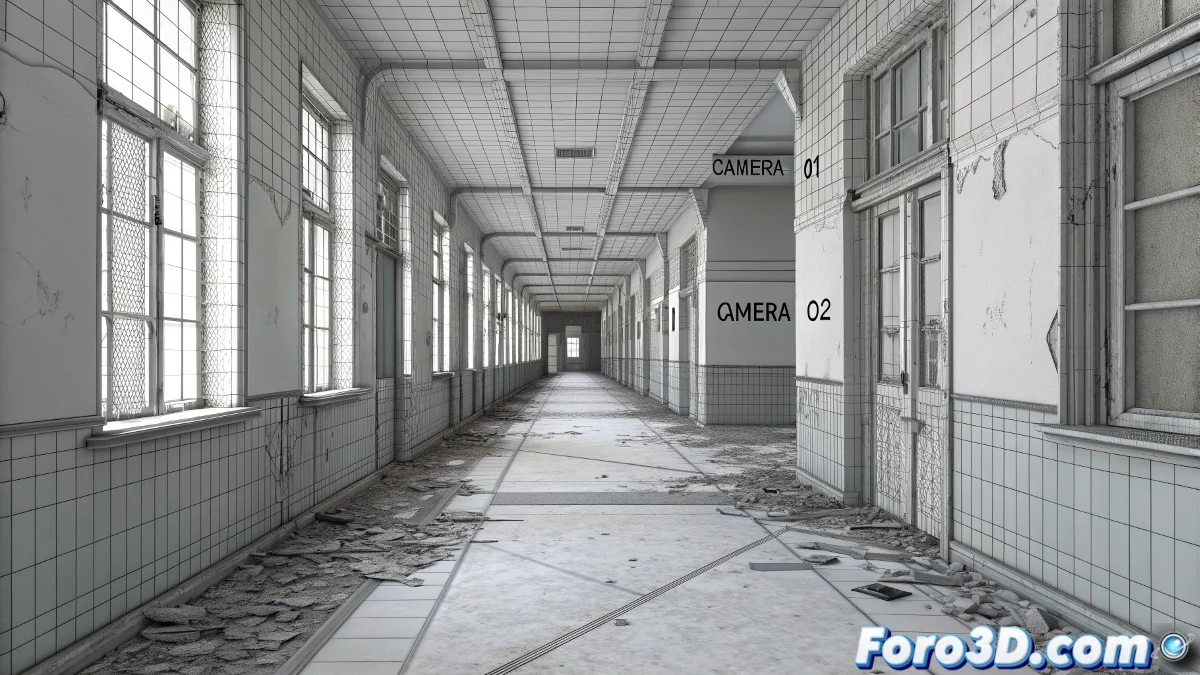
Techniques to Evoke Ghostly Presence
- Lighting that suggests movement where there is none
- Composition that creates expectation and visual tension
- Particle effects that materialize the intangible
- Ambient sound that complements the visual experience (in animated versions)
The recreation of the Abades leprosarium in Blender transcends mere technical virtuosity to become an exercise in digital archaeology and historical empathy. Every creative decision, from the angle that emphasizes the isolation of the complex to the density of the vegetation reclaiming human space, contributes to telling the dual story of the place: the official one of its medical function and the unofficial one of its later life in the collective imagination. The final result allows experiencing the powerful presence of this liminal space where history and legend merge in the ruins. 🏥
And so, among vertices and aged materials, the 3D recreation demonstrates that some places retain their power long after their original functions have disappeared, reminding us that memory - like leprosy in its time - has a peculiar way of persisting against all odds, fortunately without the social stigma. 🕯️