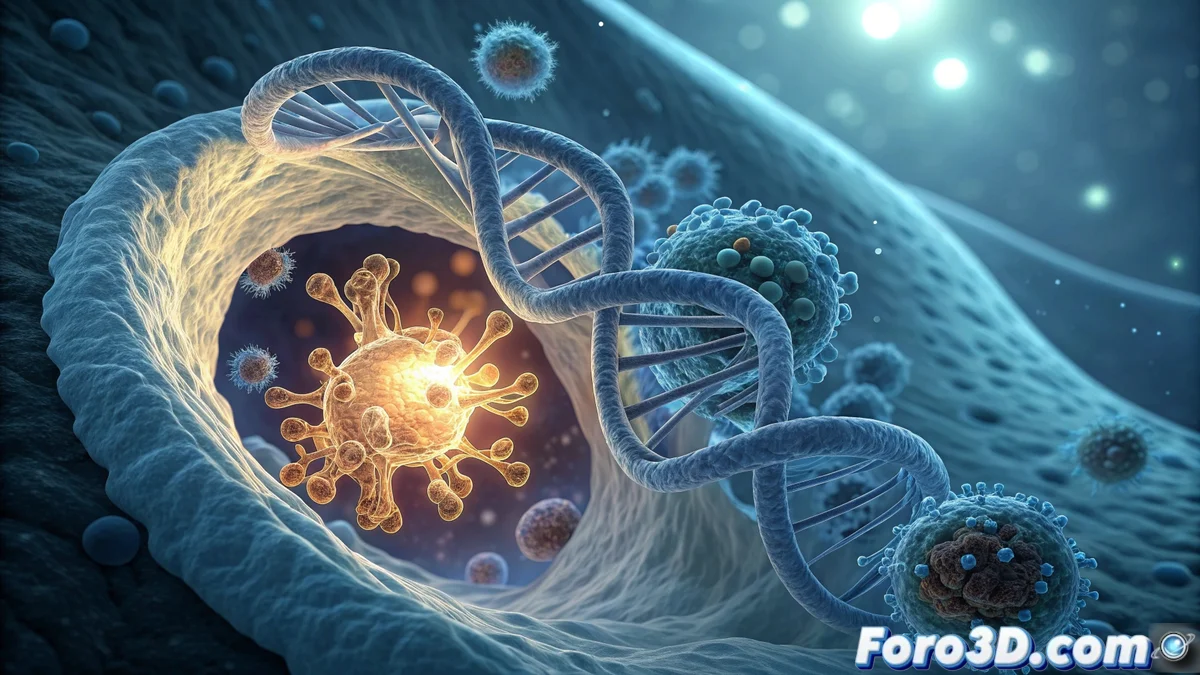
An ETH Zurich Team Introduces Artificial Amino Acids into Cells
Synthetic biology takes a crucial step forward: researchers from ETH Zurich have devised a strategy to reprogram the internal machinery of mammalian cells. The goal is for these cells to produce proteins using artificial amino acids, components that do not exist in nature. This breakthrough opens the door to designing molecules with unprecedented capabilities. 🧬
A Molecular Trojan Horse
The system works like a deception at the biochemical level. Instead of forcing entry, scientists modify an essential cellular component to transport the new building material. The cell processes this element as if it were its own, integrating the unnatural building blocks into its protein structures without noticing the difference.
Key mechanism of the process:- Modified tRNA: Researchers alter a transfer RNA (tRNA), whose natural function is to carry amino acids to ribosomes to manufacture proteins.
- Artificial cargo: This modified tRNA is programmed to bind and specifically transport an artificial amino acid.
- Internal activation: The unnatural amino acid is introduced into the cell with a chemical "shield," which the cell's own machinery removes to activate it.
The cell, unsuspectingly, builds proteins it never dreamed of producing.
Designing Proteins with Novel Functions
Once the initial deception is overcome, the modified tRNA carries the artificial amino acid to the protein assembly site. There, it is precisely incorporated into the growing peptide chain. This allows the creation of custom proteins with properties that evolution did not generate.
Potential applications of this technology:- Research tools: Create light-sensitive proteins to track cellular processes in real time with high precision.
- Develop new therapies: Design more stable, potent biological drugs or with targeted mechanisms of action.
- Expand the chemistry of life: Introduce reactive chemical groups that allow linking drugs or sensors directly to proteins inside living cells.
Rewriting the Rules of Cellular Construction
This work represents a fundamental expansion of the genetic code. It does not limit itself to reading or editing existing instructions, but adds new chemical "Lego blocks" to the basic set of life. The technique acts as a highly precise protein engineering tool, offering unprecedented control over molecular function in complex living systems. The gift of the Trojan horse, in this case, is the ability to endow the cell with completely new capabilities. 🔧