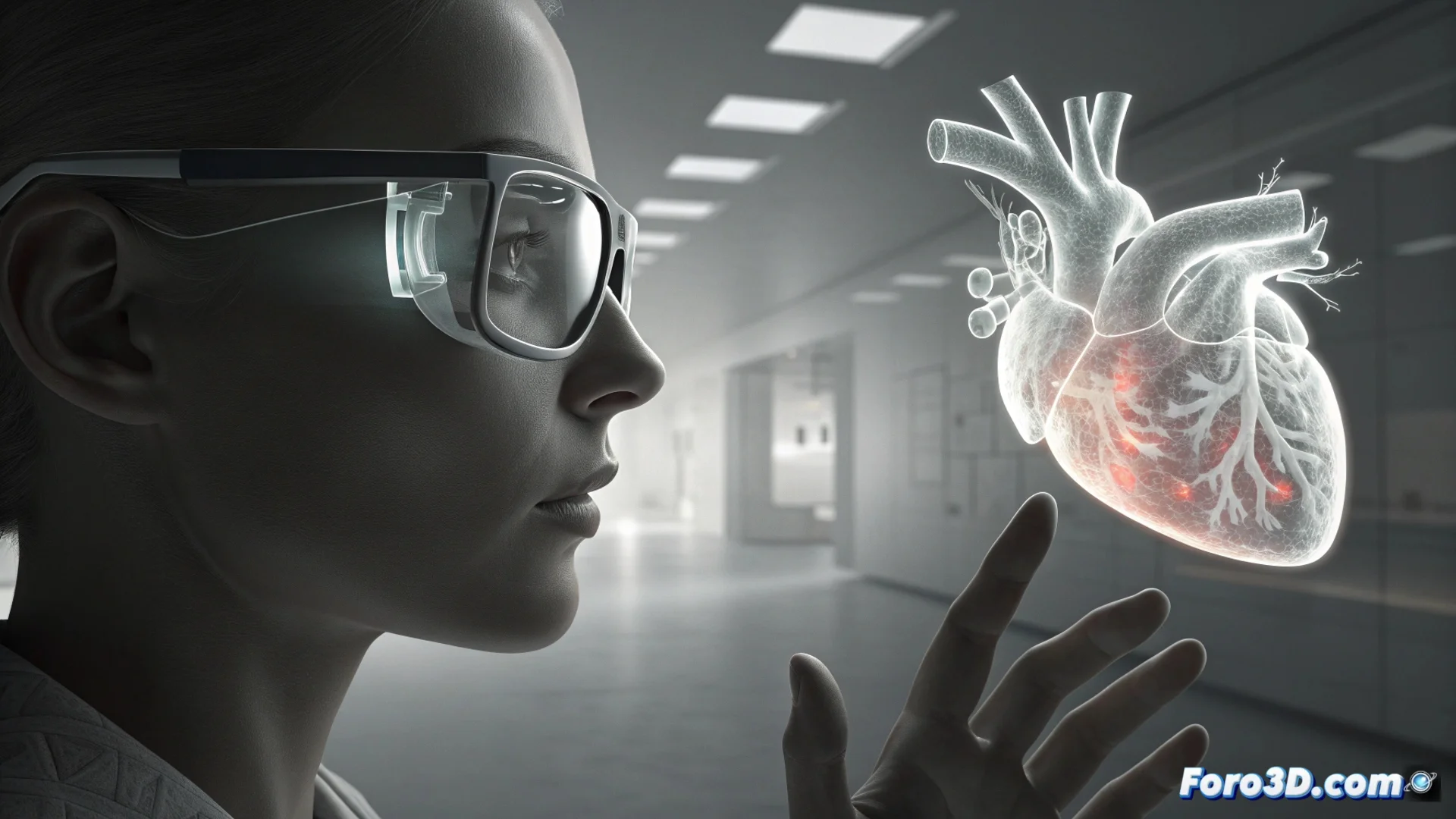
A Shanghai Team Presents 3D Glasses That Don't Need Lenses
A group of scientists from the Shanghai Artificial Intelligence Laboratory, along with Fudan University, has unveiled EyeReal, an innovative system for viewing three-dimensional content without using any special lenses. This breakthrough, documented in the prestigious journal Nature, marks a milestone by solving one of the biggest drawbacks of this technology: the visual discomfort it usually causes. 🚀
How Does EyeReal Technology Work?
The system is based on fusing artificial intelligence with advanced optics. An AI algorithm instantly processes the user's gaze position and direction. By tracking the eyes, the device dynamically modifies the image emitted by a set of micro-lenses, optimizing the light for each eye individually. This generates a precise illusion of depth and relief.
The key components of the system:- An artificial intelligence algorithm that calculates and corrects optical distortions in real time.
- A set of micro-lenses that project and adjust the light for each eye.
- An eye-tracking system that constantly monitors the viewer's position.
The key lies in how the AI calculates and corrects optical distortions precisely, allowing the brain to integrate visual information without conflict.
The Main Objective: Eliminate Discomfort
Traditional methods for viewing 3D without glasses often force the brain to combine two slightly different images, which can cause visual fatigue and dizziness. EyeReal solves this problem by creating customized views for each user at every moment. Tests indicate that this approach significantly reduces eye strain.
Potential Fields of Application:- Medicine: for visualizing organs and anatomical structures in 3D during diagnostics or surgical planning.
- Product Design: allowing engineers and designers to interact with three-dimensional models more naturally.
- Entertainment: offering a more comfortable and immersive 3D cinematic or video game experience.
The Future of 3D Visualization
The research team has already built a functional prototype and is exploring how to implement this technology on a larger scale. This development brings closer the possibility of enjoying a three-dimensional movie without the common side effects, although it also poses new challenges, such as finding the optimal "sweet spot" for viewing the image. The future of glasses-free 3D looks clearer and more comfortable. 👓