A Selective RAM Memory Theft Affects a Design Studio
A technology forum in South Korea reports an unusual security incident at a design studio. An intruder accessed the place and carried out a very specific theft, focusing solely on internal components of the computers. The rest of the equipment and furniture remained intact. 🕵️
The Thief's Method Reveals a Precise Target
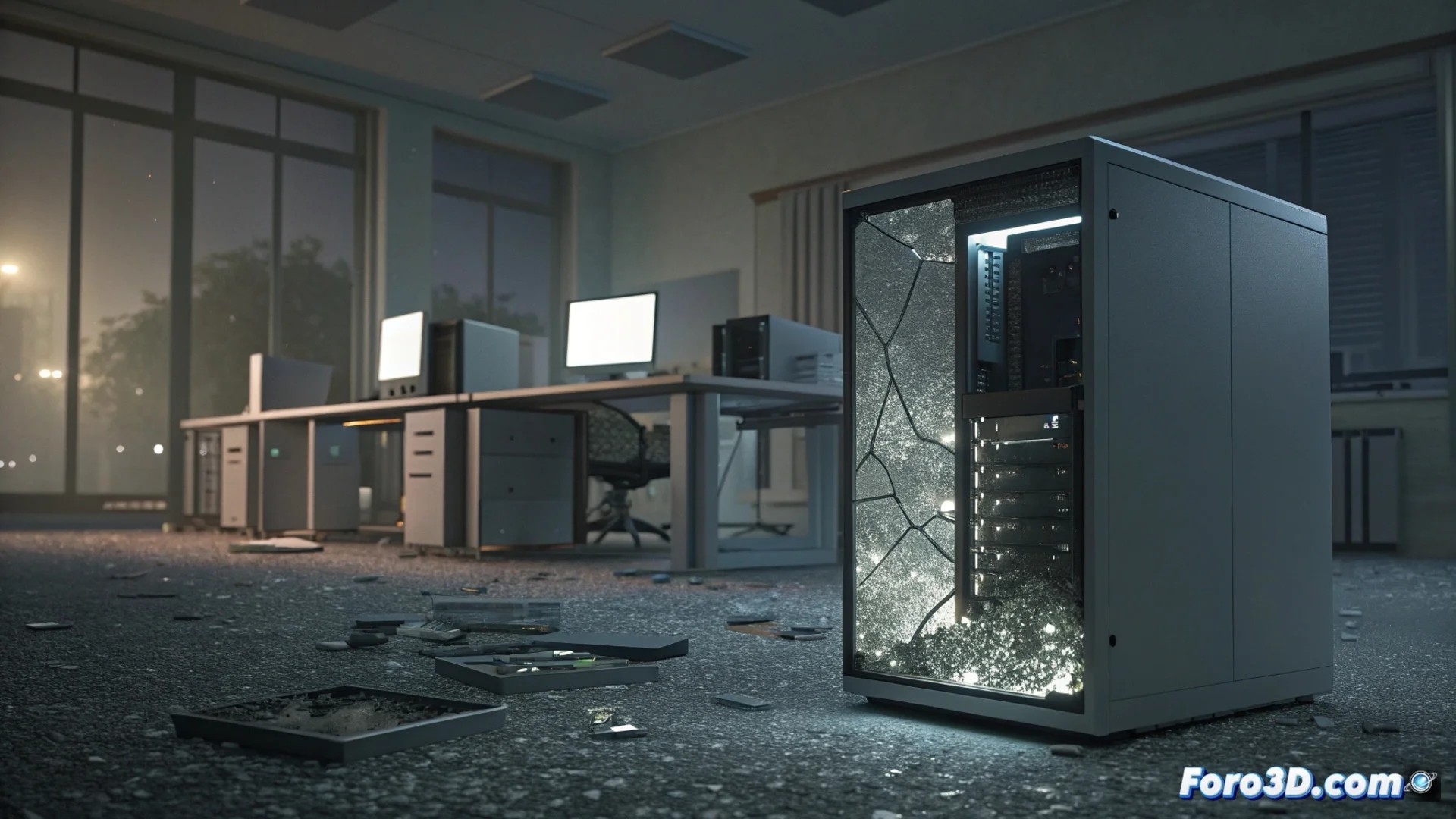
The perpetrator demonstrated exact knowledge of what to look for. By breaking only the tempered glass side panels on two towers and stealing exclusively the DDR5 RAM memory, it was clear that this was not vandalism. This component has an active resale market, suggesting a deliberate plan for quick profits. The scene lacked random disorder.
Key Details of the Incident:- The thief damaged only the glass cases to access the interior.
- He took all available DDR5 memory modules from the equipment.
- He did not touch other appliances, monitors, or valuable peripherals.
It seems the thief had a very clear list: DDR5 to go. The only thing he didn't loot was the coffee maker, perhaps because DDR5 technology for processing caffeine doesn't exist yet.
Physical Hardware Security is Crucial
This case serves as a reminder that protecting systems goes beyond software. A tempered glass side panel, although aesthetic, can be a weak point if someone wants to get in quickly. In professional environments with valuable components, it is vital to consider additional measures.
Measures to Physically Protect Hardware:- Use physical locks for computer cases.
- Locate equipment in areas with restricted access control.
- Evaluate the use of cases with metal panels instead of glass in risk areas.
Final Reflection on the Case
The theft at the Korean studio underscores a concrete risk: specific, high-demand hardware components are attractive targets. Physically protecting equipment must be an integral part of the security strategy, especially in workspaces handling expensive technology. The incident, although peculiar, leaves a clear lesson about often overlooked vulnerabilities. 🔒