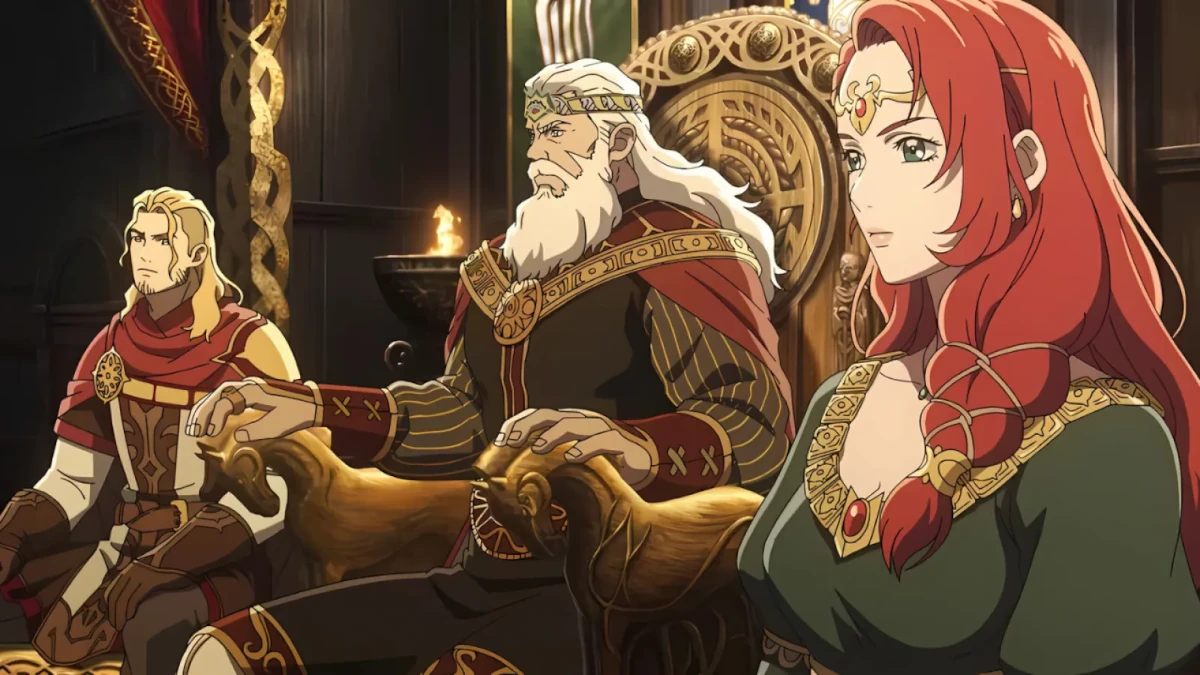
The cinematic project The War of the Rohirrim marks a return to the animated roots of Tolkien's iconic saga, this time under the direction of renowned Japanese filmmaker Kenji Kamiyama. The production, led by New Line Cinema and Warner Bros. Animation, combines traditional animation techniques with advances in modern anime, offering a fresh vision of Middle-earth.
An Independent Story in Middle-earth
The plot is set 183 years before the events of the original trilogy directed by Peter Jackson. It focuses on the relationship between Héra and Wulf, childhood friends who become sworn enemies after a fatal confrontation between their parents. This independent narrative allows:
- Exploring new characters in Tolkien's universe.
- Bringing original conflicts away from recurring elements like the rings of power.
- Presenting a fresh perspective without dark lords.
Philippa Boyens, producer with experience on the original trilogy, develops this story alongside Jeffrey Addiss and Will Matthews.
The Challenge of Adapting Anime to Film
Kenji Kamiyama's Approach
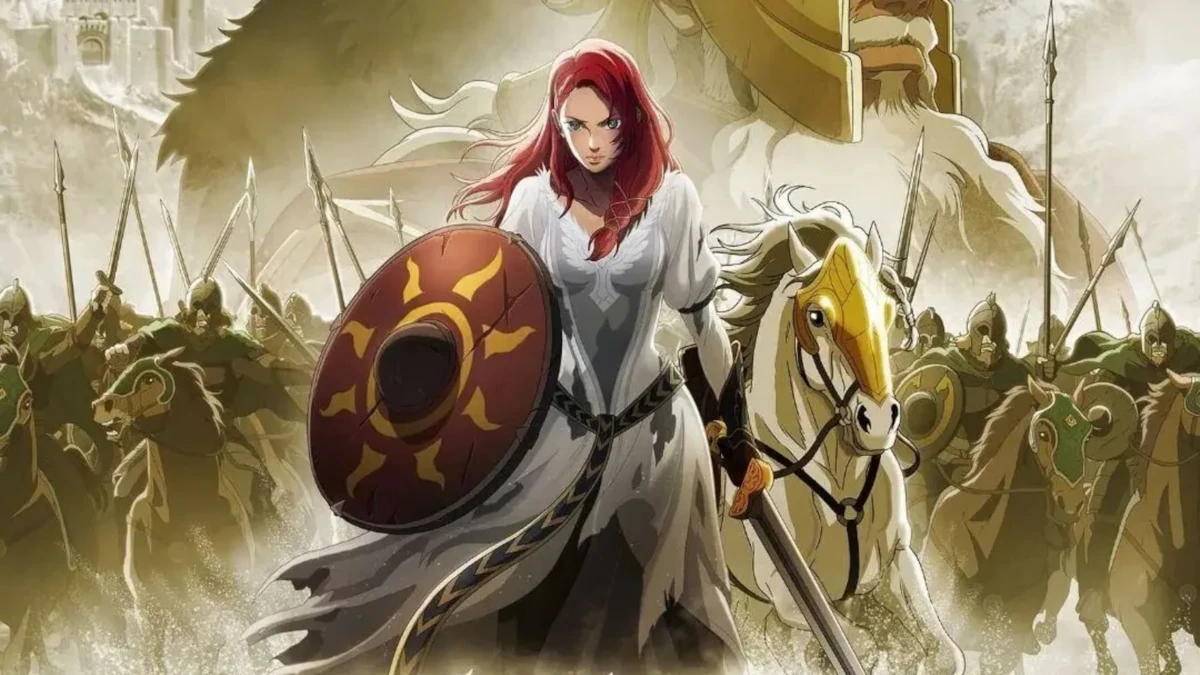
Kenji Kamiyama, known for his work on Ghost in the Shell: Stand Alone Complex and Blade Runner: Black Lotus, tackles the challenge of transitioning from television series to the feature film format. According to Kamiyama:
"The animation process for a feature film involves an intense narrative rhythm, but well-structured. It's like a 400-meter race compared to the marathon that series represent."
With a duration of 2 hours and 10 minutes, the project required adapting narrative and creative techniques to the cinematic format, while maintaining the essence of anime.
Visual Innovation: Fusion of 2D and 3D
Visually, The War of the Rohirrim combines 2D and 3D animation elements, reflecting the growing popularity of animation aimed at an adult audience. According to Kamiyama:
"This integration allows for a mature visual experience that exceeds traditional anime expectations outside Japan."
The use of these techniques not only enriches the narrative but also expands the creative possibilities of contemporary animation.
A New Approach to Tolkien's Mythology
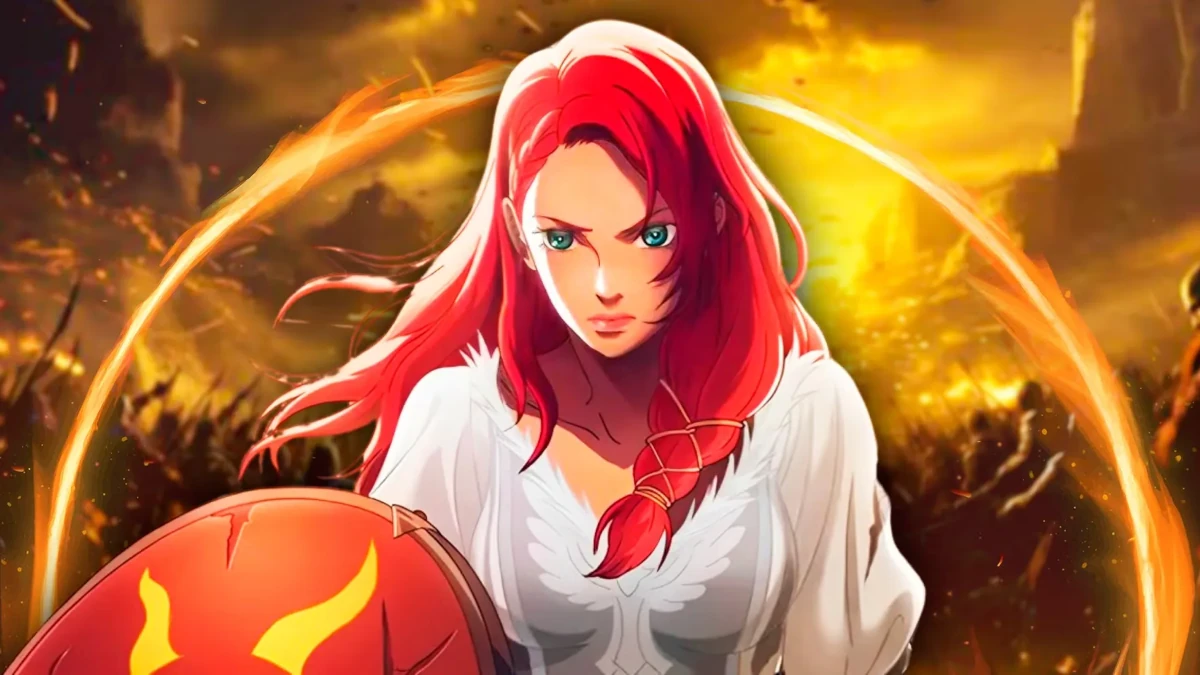
The choice of anime as a medium responds to the desire to tell a unique story in Middle-earth, maintaining a sense of familiarity while introducing a new aesthetic. The creative team seeks:
- To redefine animation in large-scale projects.
- To convey deep emotions through innovative visual storytelling.
- To enrich Tolkien's mythology from a modern perspective.